it’s the rare racing car that wins by being quietly, brutally well thought-out. It’s not the loudest party guest. It’s the one who turns up, says almost nothing, and somehow leaves with the trophy and your phone number.
On the outside it resembles a tidy family hatchback. Underneath, it’s a mobile argument that says: “If you make the right bits clever enough, you don’t need to shout.”
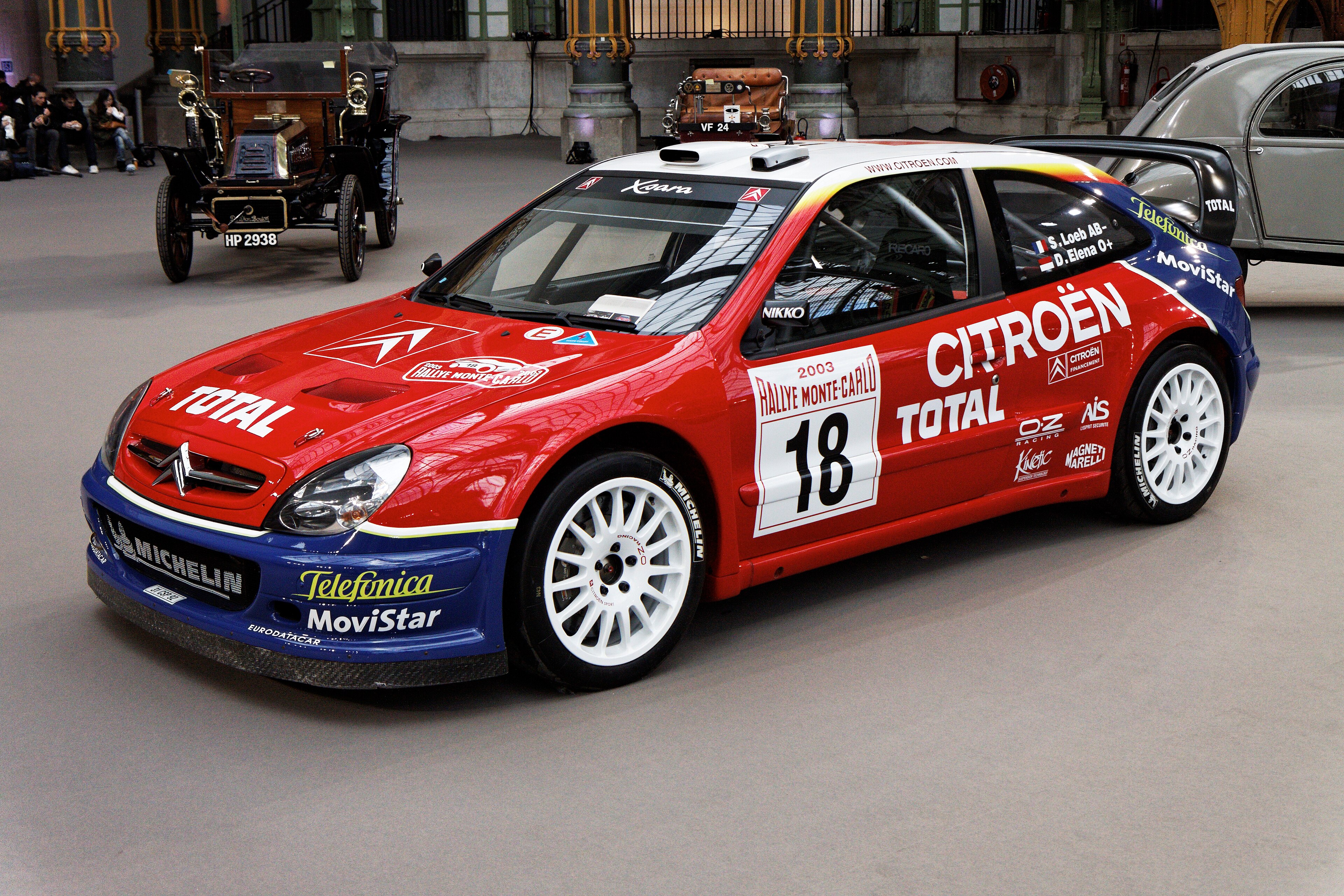
Let’s start with the headline numbers, because rally cars are basically weapons that happen to have measurements. The Xsara WRC is 4,167mm long, 1,770mm wide, 1,390mm tall, on a 2,555mm wheelbase. And crucially, it sits on the FIA minimum 1,230kg—which is not “light,” but in WRC terms it’s “we have met the rules and we refuse to carry a gram of extra nonsense.”
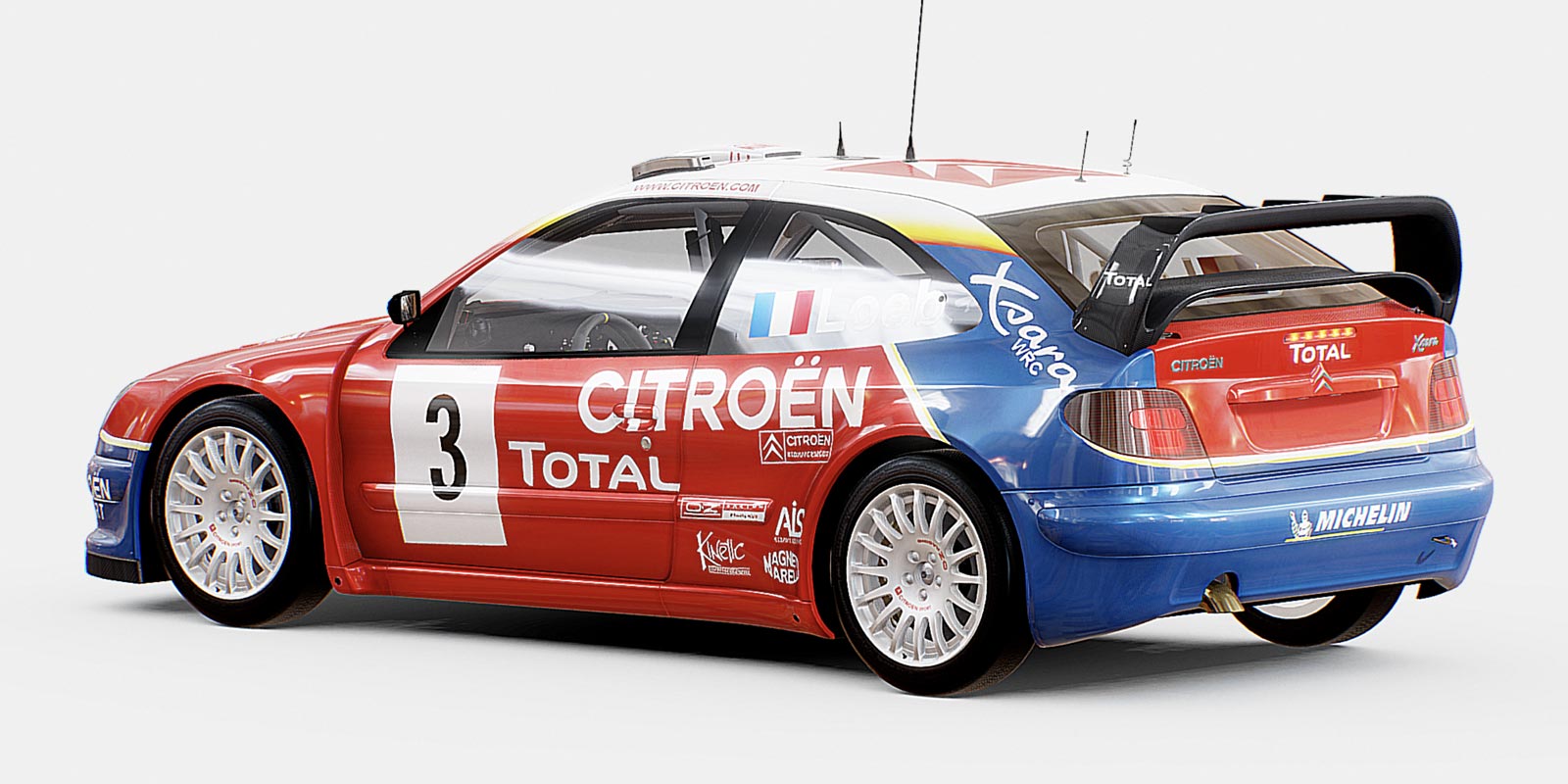
Power comes from a 1,998cc turbocharged inline-4, mounted front-transverse, driving all four wheels through a six-speed sequential gearbox.
Output for the Xsara WRC is commonly listed around 315bhp at 5,500rpm and 569N·m at 2,750rpm. That torque figure is the key: rally isn’t about glamorous top-end screaming; it’s about being punched out of slow corners on dirt, asphalt, snow—sometimes all on the same weekend—while your brain is trying to process trees at eye level.
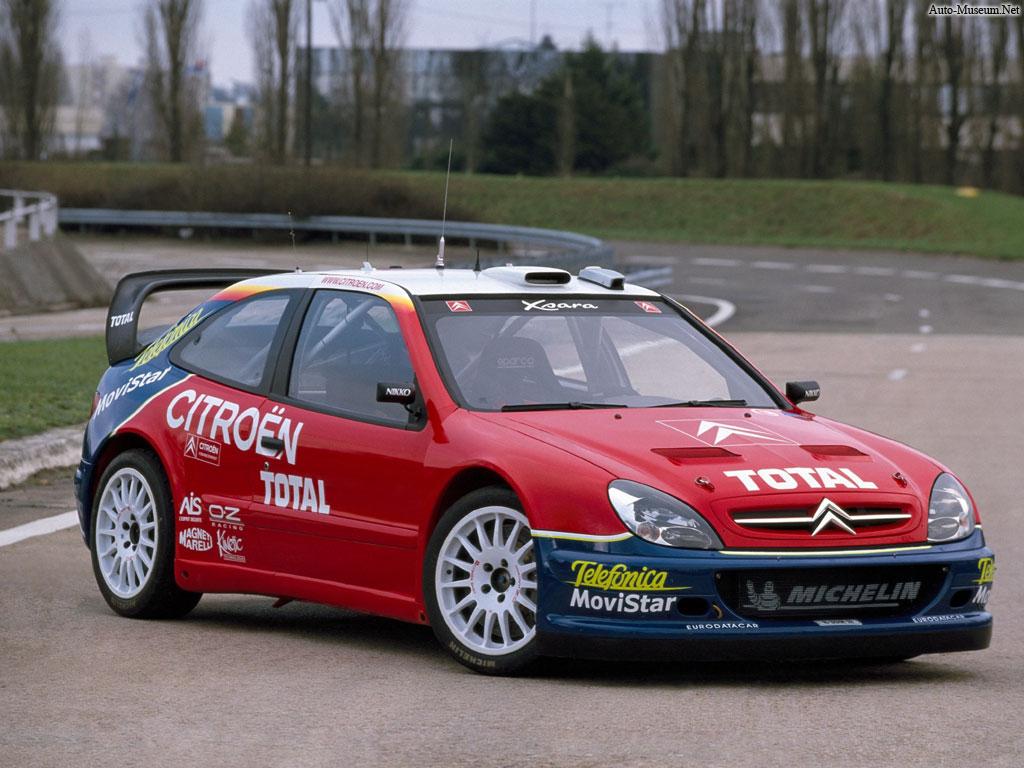
Now, in 2001, Citroën wasn’t yet the unstoppable empire it became. The Xsara WRC’s debut was Rally Catalunya 2001, and its first win came at the 2001 Tour de Corse.
That matters because Tour de Corse is not a place where you “accidentally” win. It’s tarmac, it’s rhythm, it’s precision—one of those rallies that punishes anything vague. If a new car wins there, it’s not luck, it’s competence.
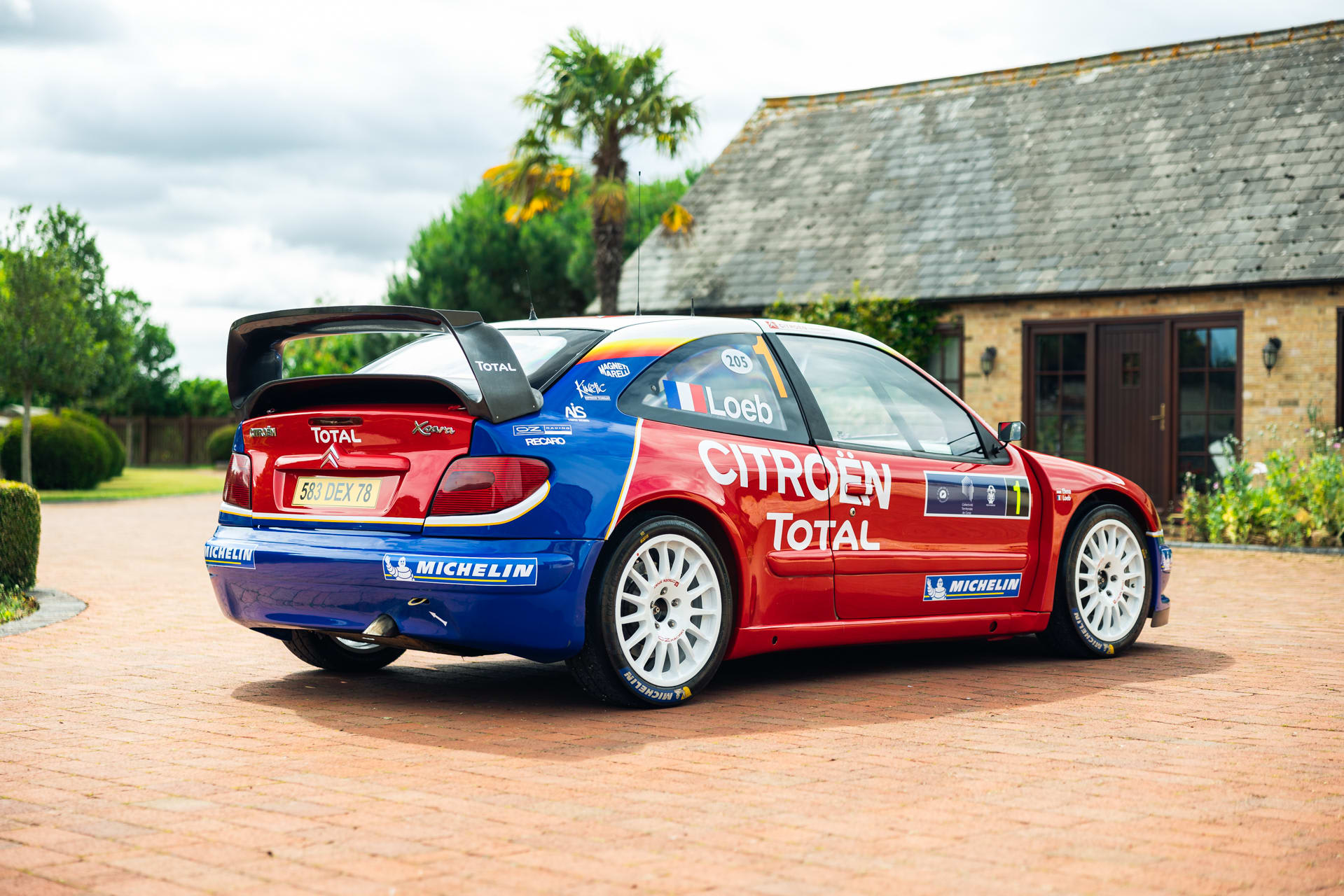
The character of the Xsara was built around controlled traction. WRC cars of that era leaned heavily on active differentials and clever torque management, because the surface is always trying to renegotiate your grip. The official WRC profile even calls out an X-Trac sequential transmission with active differentials, and lists the engine as Citroën’s XU7JP4 2.0-litre turbo in WRC trim.
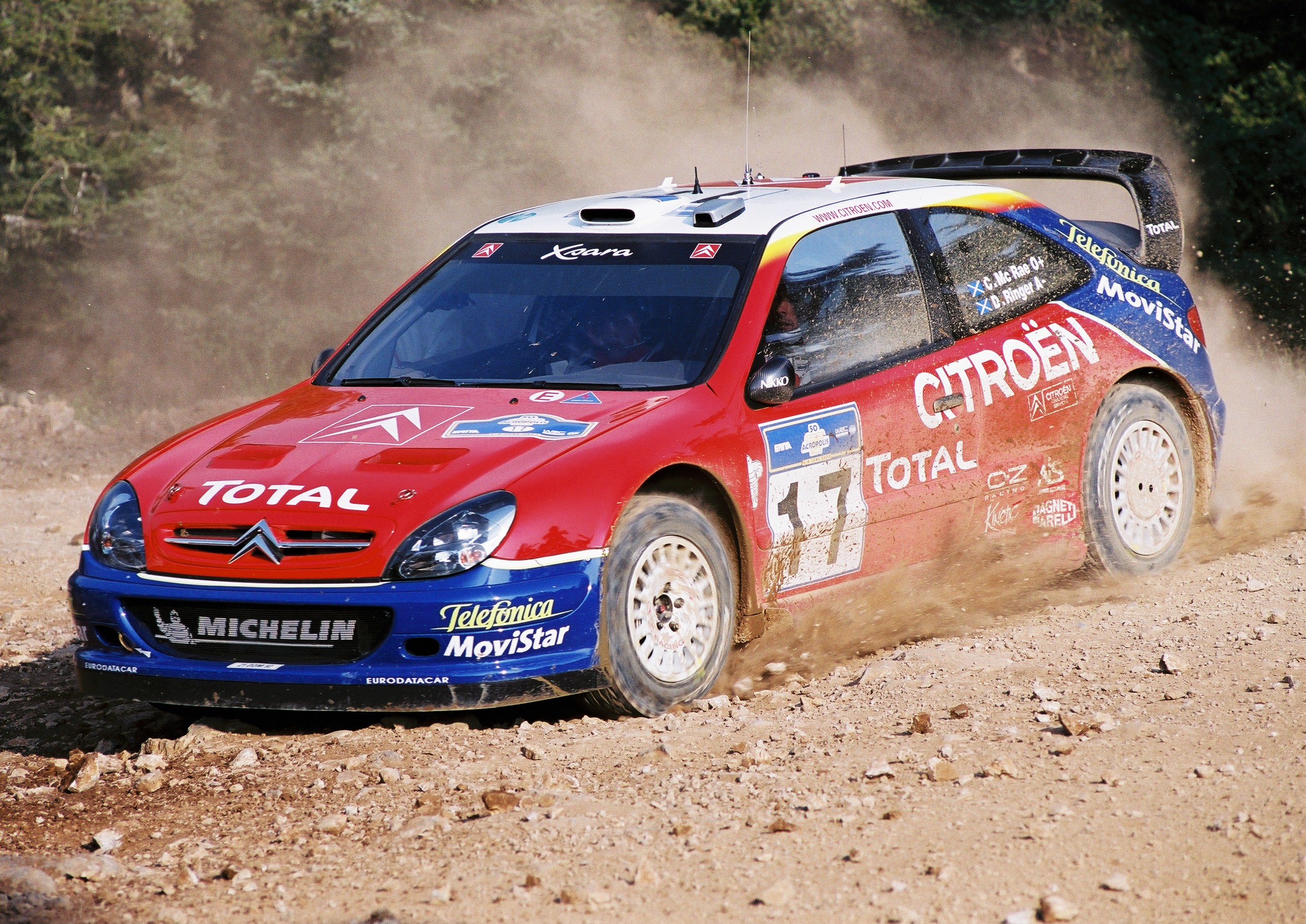
This is the unsexy magic: when you’re blasting through a stage, “confidence” is a technical feature. The car has to feel like it’s on your side.
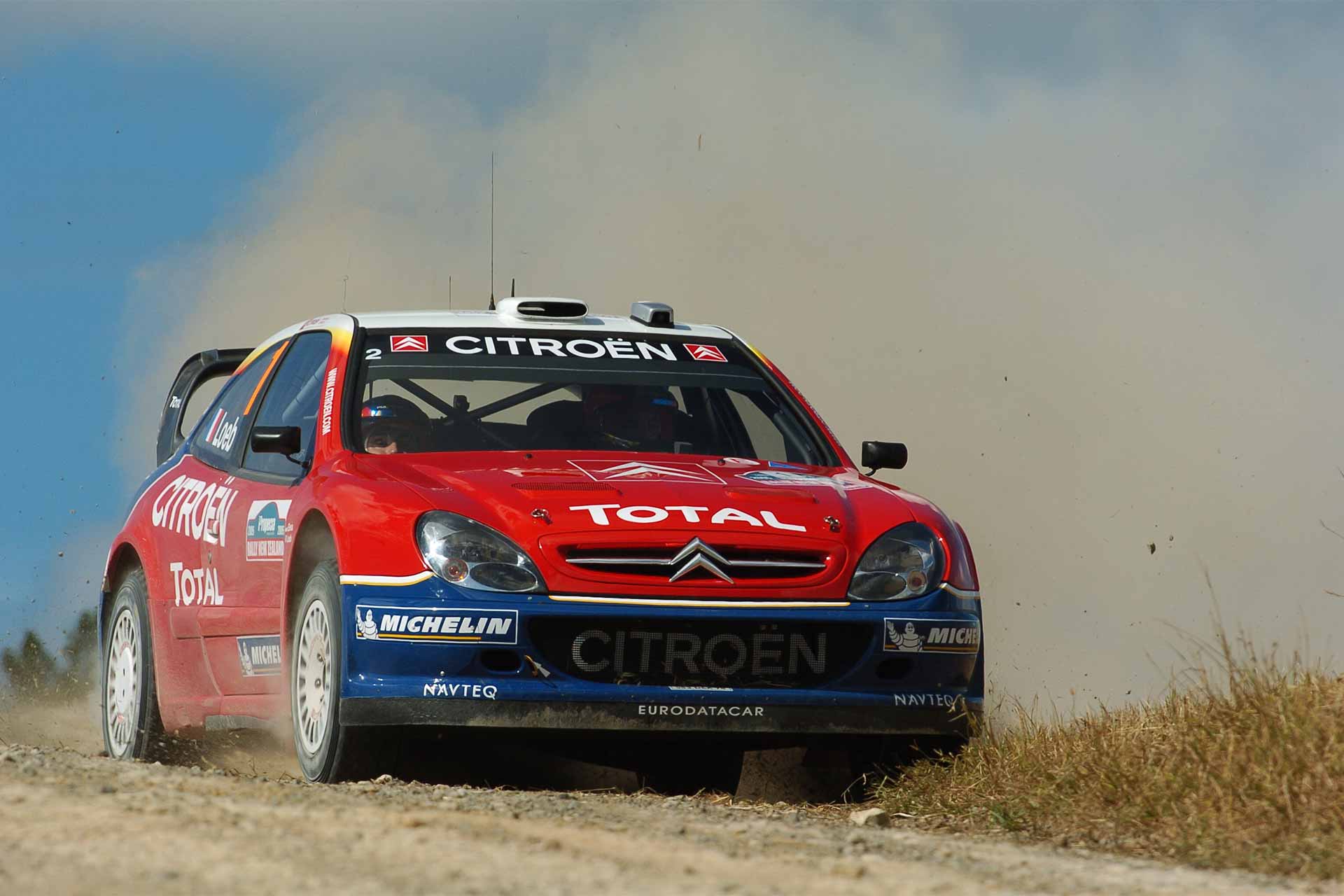
And here’s a wonderfully French detail: Citroën Sport / Citroën Racing was based at Versailles-Satory, which sounds less like a motorsport facility and more like a place where philosophers discuss tyre compounds over espresso. Yet from there came a machine that would go on to become one of the most successful WRC cars ever, with 32 WRC wins overall.
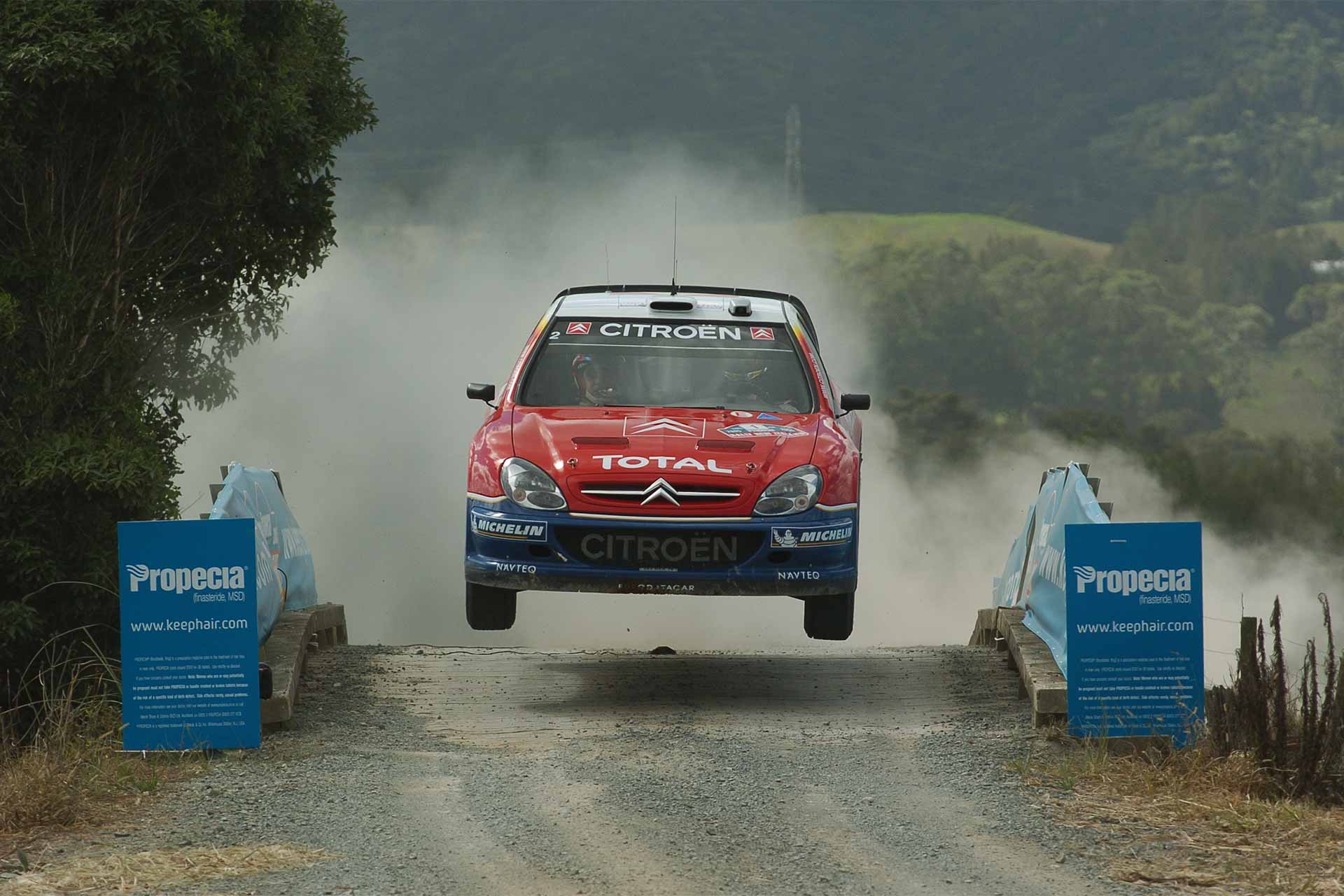
The team boss name you keep seeing in Citroën’s motorsport history is Guy Fréquelin, and the car’s competitive story quickly intertwines with drivers who didn’t merely win—they defined an era, most famously Sébastien Loeb (with Daniel Elena) as the programme matured.

There’s also the regulation side of the story. Turbo WRC cars ran intake restrictors (famously 34mm) to keep power in the “about 300-ish horsepower” bracket—so the sport doesn’t become an arms race of who can explode the most money per kilometre. Citroën’s own rally-car writeups mention the restrictor and the way teams chase efficiency within those limits.
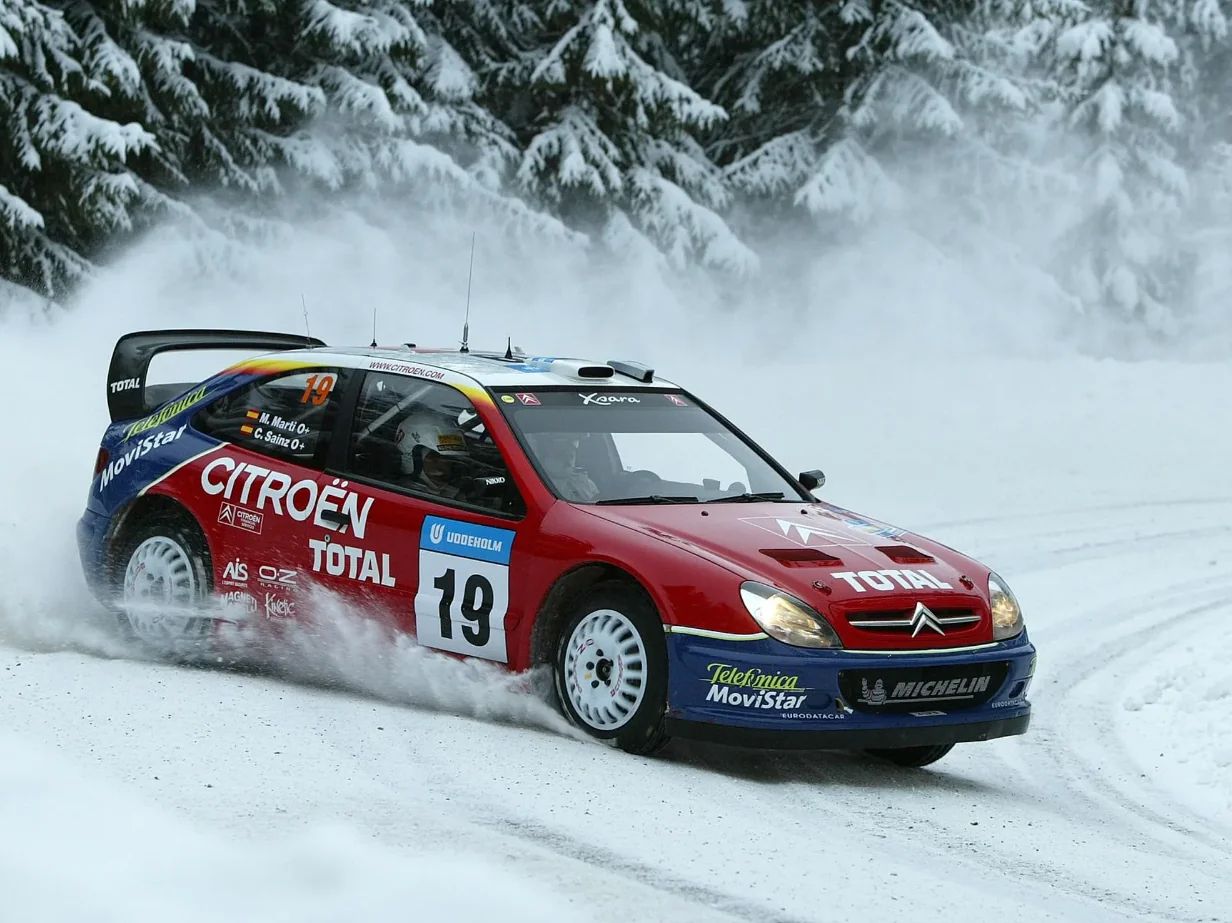
So the Xsara’s greatness wasn’t about having wildly more power than everyone else. It was about using the power better, and putting it down more often, across more conditions, with fewer mistakes.

And that’s why the 2001 Xsara WRC feels so interesting”: it’s the rare racing car that wins by being quietly, brutally well thought-out. It’s not the loudest party guest. It’s the one who turns up, says almost nothing, and somehow leaves with the trophy and your phone number.
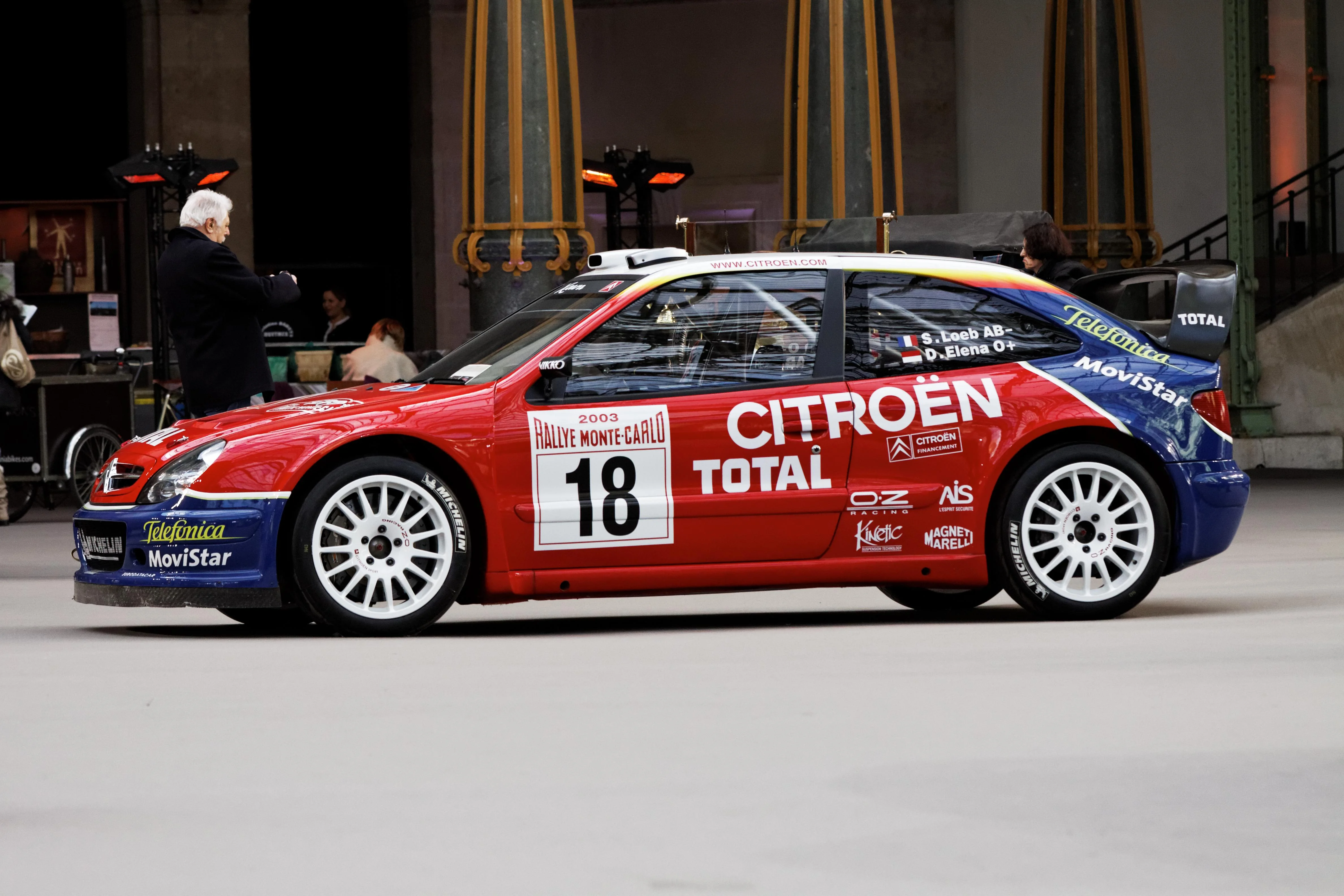
In short: the Xsara WRC is French engineering doing what it does best when it’s fully awake—turning complicated problems (traction, weight, reliability, drivability) into something that looks almost easy. And in rallying, “almost easy” is basically sorcery.
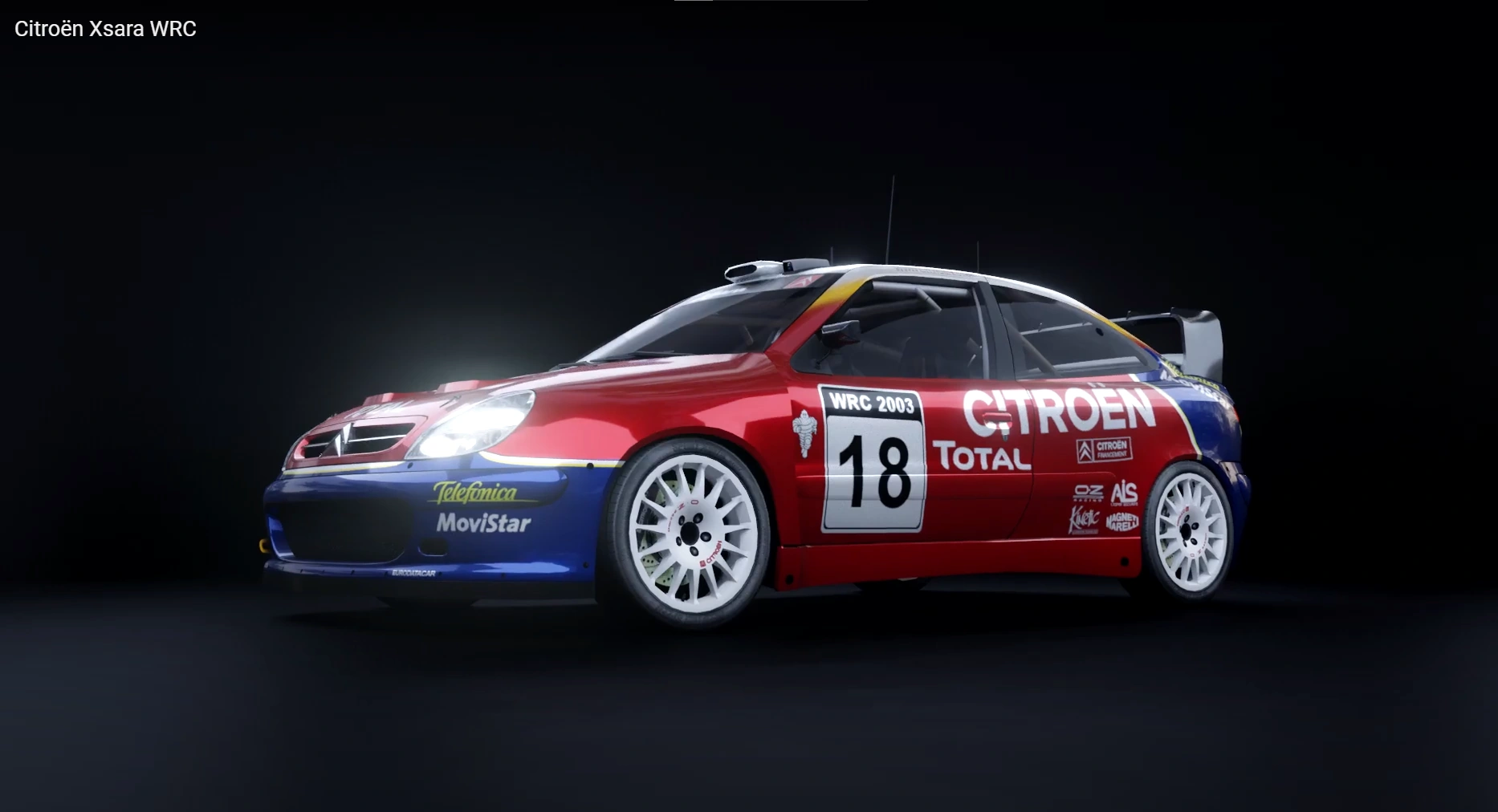
-
Antoine de Saint-Exupéry, French writer and aviator.


