Sometimes speed is a small, lightweight coupe, tugging itself up a mountain with front wheels that simply refuse to give up.
The Lancia Fulvia Rallye 1.6 HF is one of those cars that makes modern rally machinery look like it was designed by a committee with spreadsheets and a mild fear of joy. Because the Fulvia wasn’t trying to be “extreme”. It was trying to be right. And in rallying, “right” often beats “loud”.
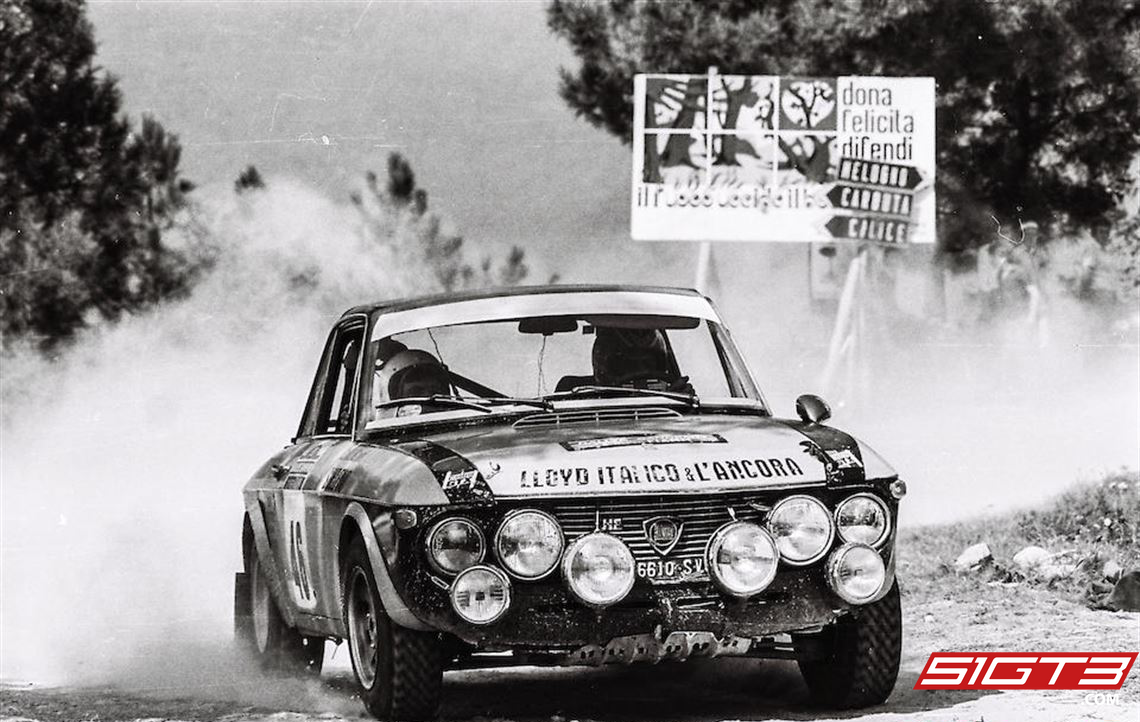
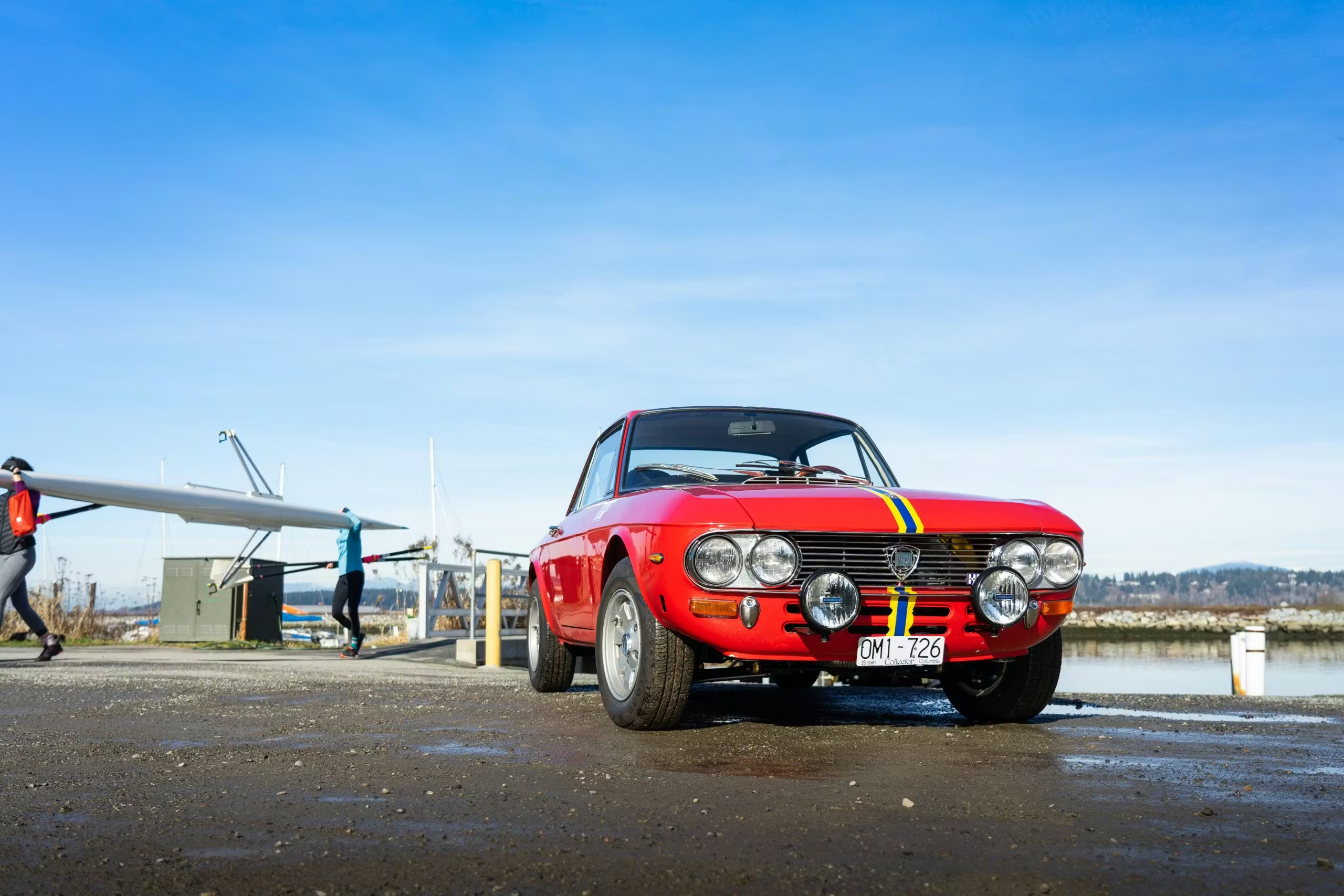
First, the layout: front-engine, front-wheel drive, with a narrow-angle V4 that sounds like it’s arguing with itself in Italian. The road-going Rallye 1.6 HF (the famous “Fanalone”, named after its big lamps) used a 1,584 cc V4, making about 115 PS and 155 Nm, sent through a 5-speed manual. And because Lancia understood a sacred truth—mass is the enemy—it kept the kerb weight around 920 kg. Top speed? About 171 km/h. Which doesn’t sound dramatic, until you remember it’s doing that while being smaller than a modern family hatchback’s door.
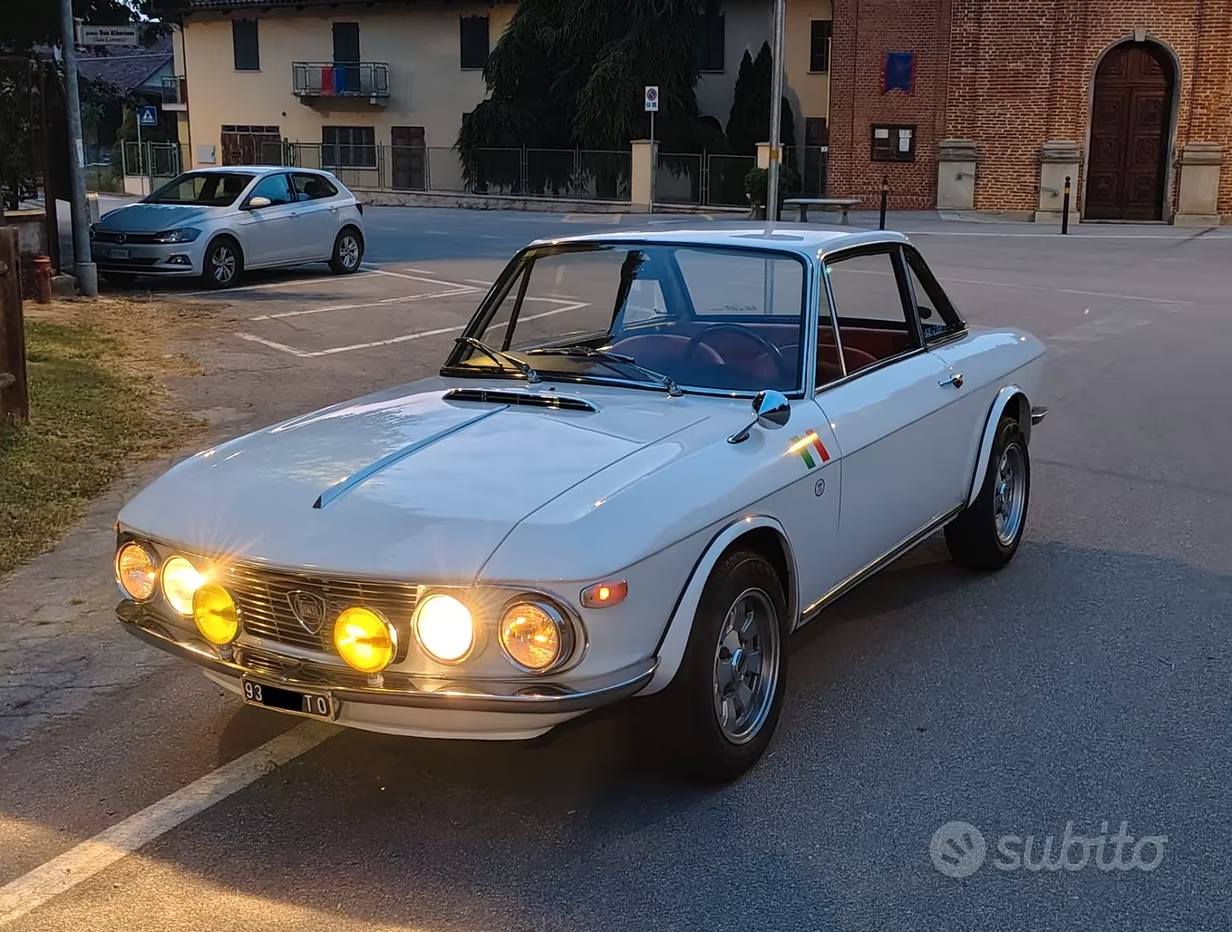
Now look at the shape and size, because these numbers are half the magic. It’s roughly 3,935 mm long, 1,570 mm wide, 1,330 mm tall, on a 2,330 mm wheelbase. Those are the proportions of a neat, tidy tool—like a chef’s knife—rather than a blunt instrument.

And here’s the Fulvia’s secret sauce: it doesn’t win by overpowering the road. It wins by not being surprised by it. Front-wheel drive in rallying sounds like turning up to a swordfight with a well-made umbrella… until you’re on a cold, slippery mountain pass where traction matters more than theatrics. The Fulvia could pull itself out of corners with calm determination, and because it was light and compact, it changed direction like a terrier spotting a squirrel.
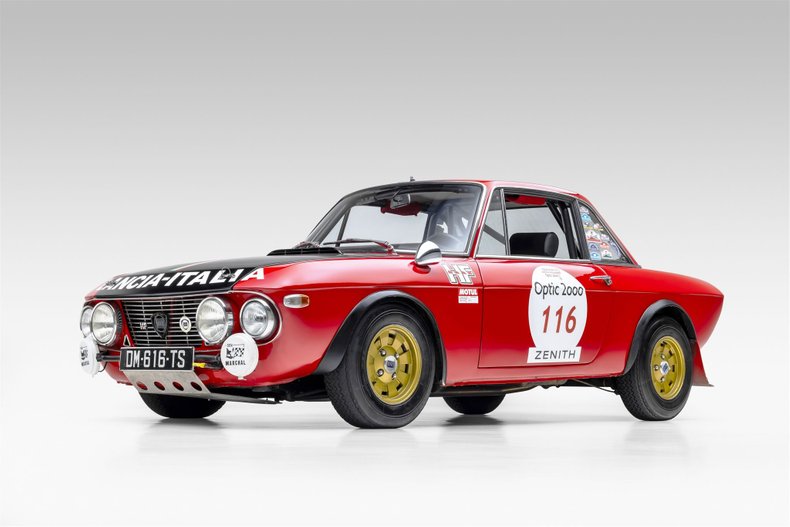
If you want the motorsport version—the one with proper grit—Lancia’s own heritage material for the Fulvia Coupé 1.6 HF Group 4 lists 1,599 cc, about 165 hp at 7,200 rpm, and a weight of around 825 kg, with speeds depending on gearing and setup anywhere from 137 to 212 km/h. That’s not “a classic with a roll cage”. That’s a purpose-built rally weapon from an era when bravery was part of the fuel mixture.
And yes, it has the story to match. The Fulvia’s legend peaks in 1972, when Sandro Munari and co-driver Mario Mannucci won the Monte Carlo Rally—a moment that helped cement Lancia’s reputation for building rally cars that weren’t merely quick, but strategic.
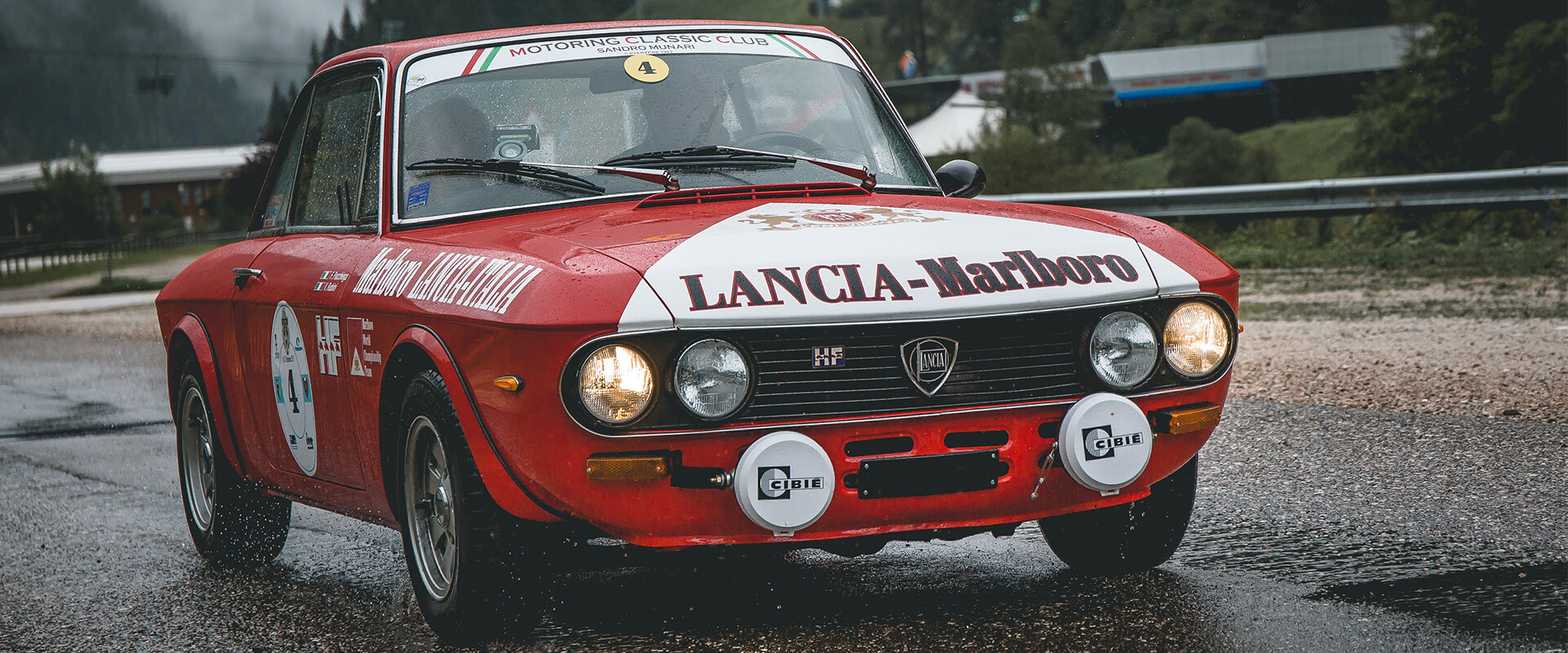
What I love most is how the Fulvia feels like it was engineered by people who actually cared about cornering on real roads, in real weather, with real consequences. It’s not about horsepower figures you brag about at a café. It’s about balance, traction, and precision—plus that very Italian ability to make something deeply clever look effortless.
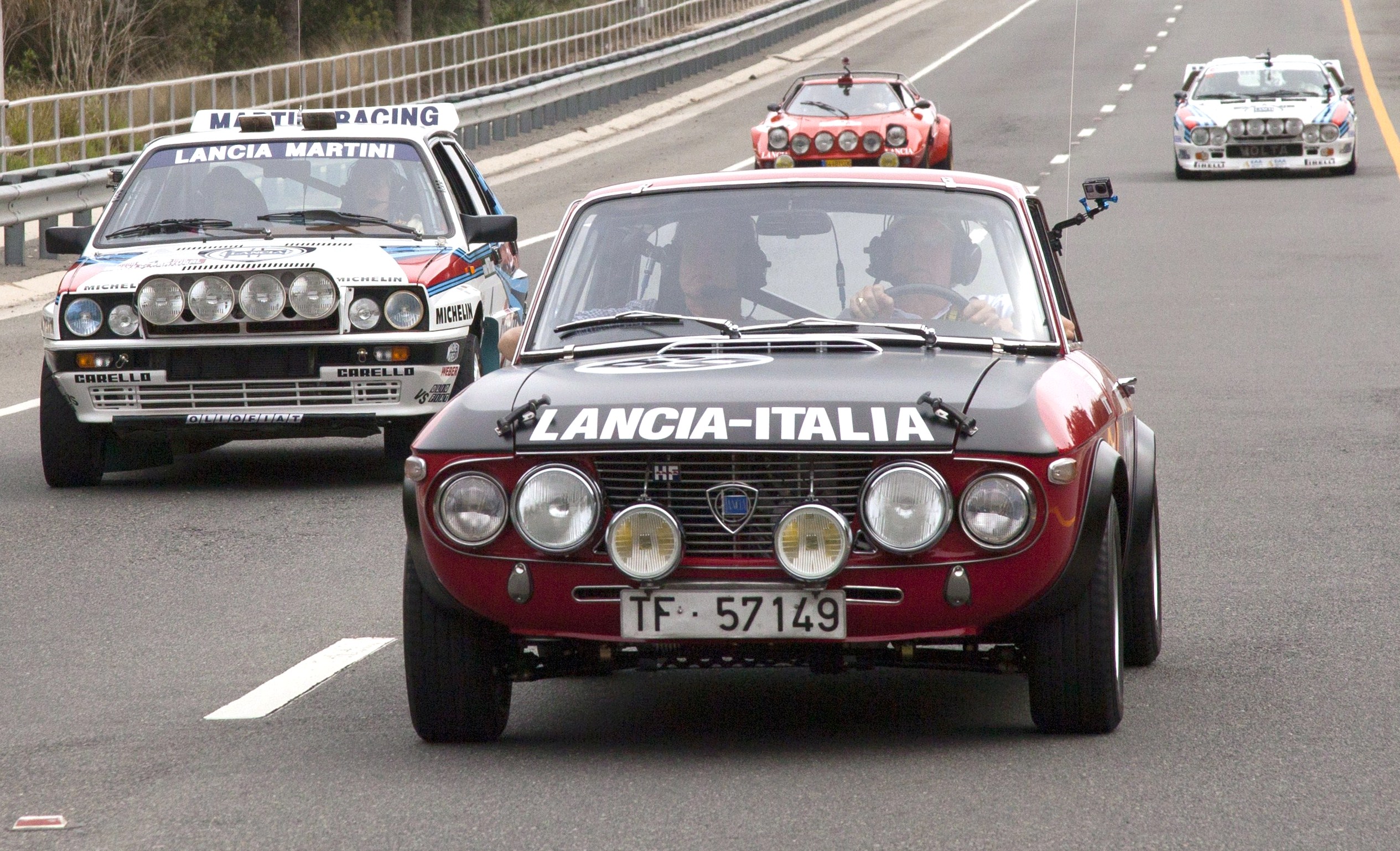
And today, that’s why the Fulvia Rallye doesn’t just “age well”—it ages like a good suit. It reminds you that speed isn’t always noise. Sometimes speed is a small, lightweight coupe, tugging itself up a mountain with front wheels that simply refuse to give up.
-
Leonardo da Vinci
-
Italian polymath


