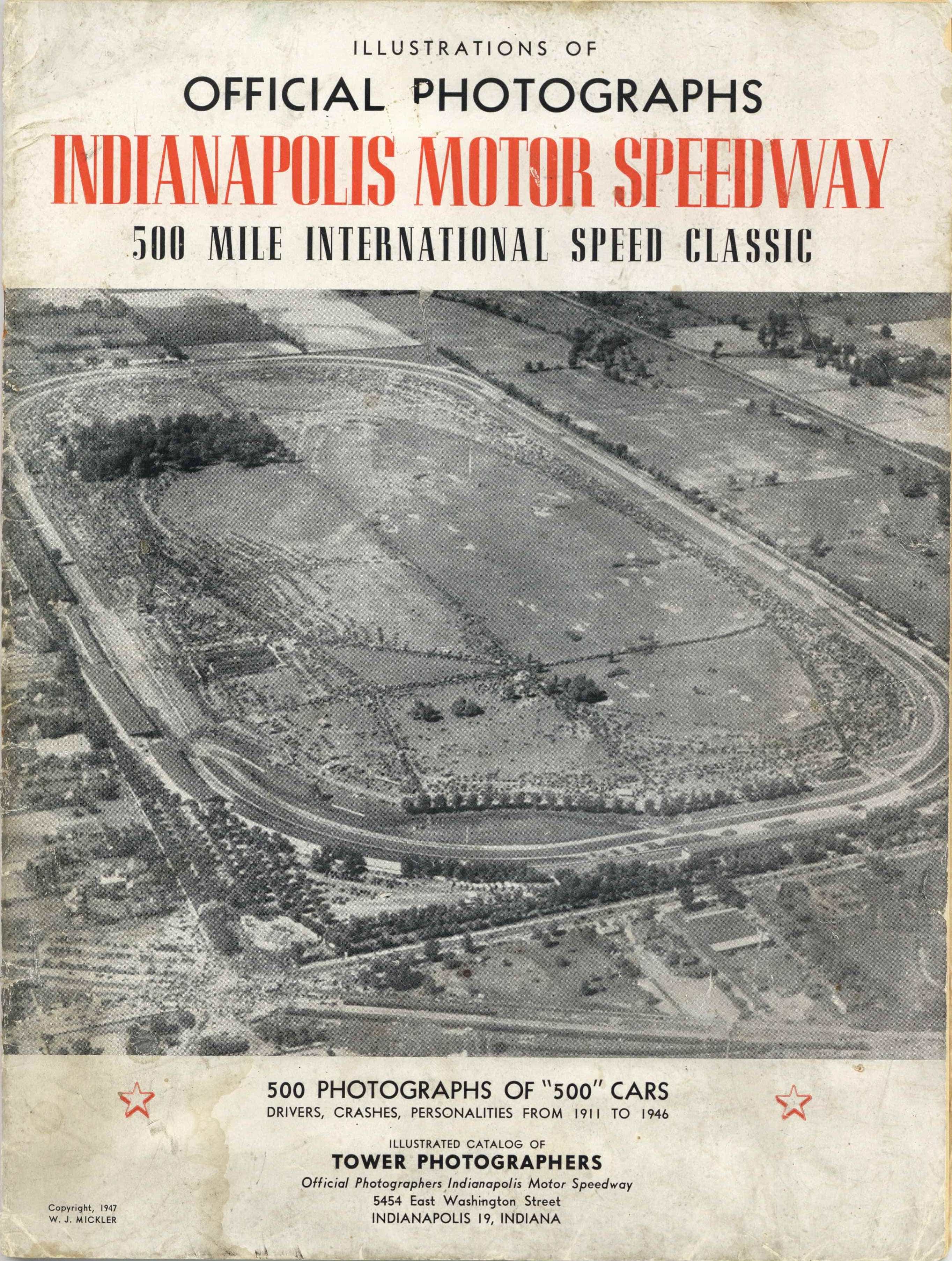
There is something unusually honest about Indianapolis Motor Speedway. It doesn’t pretend to be romantic in the European sense, nor does it hide behind dramatic elevation or exotic scenery. Instead, it stands there — vast, flat, and unapologetically functional — like a giant ruler laid across the land, built to measure speed, courage, and engineering truth.
Country & Region
Location
Year Opened
Circuit Long
Corners
Info
Thank you! Your submission has been received!
Oops! Something went wrong while submitting the form.
01
The Birth of a Legend
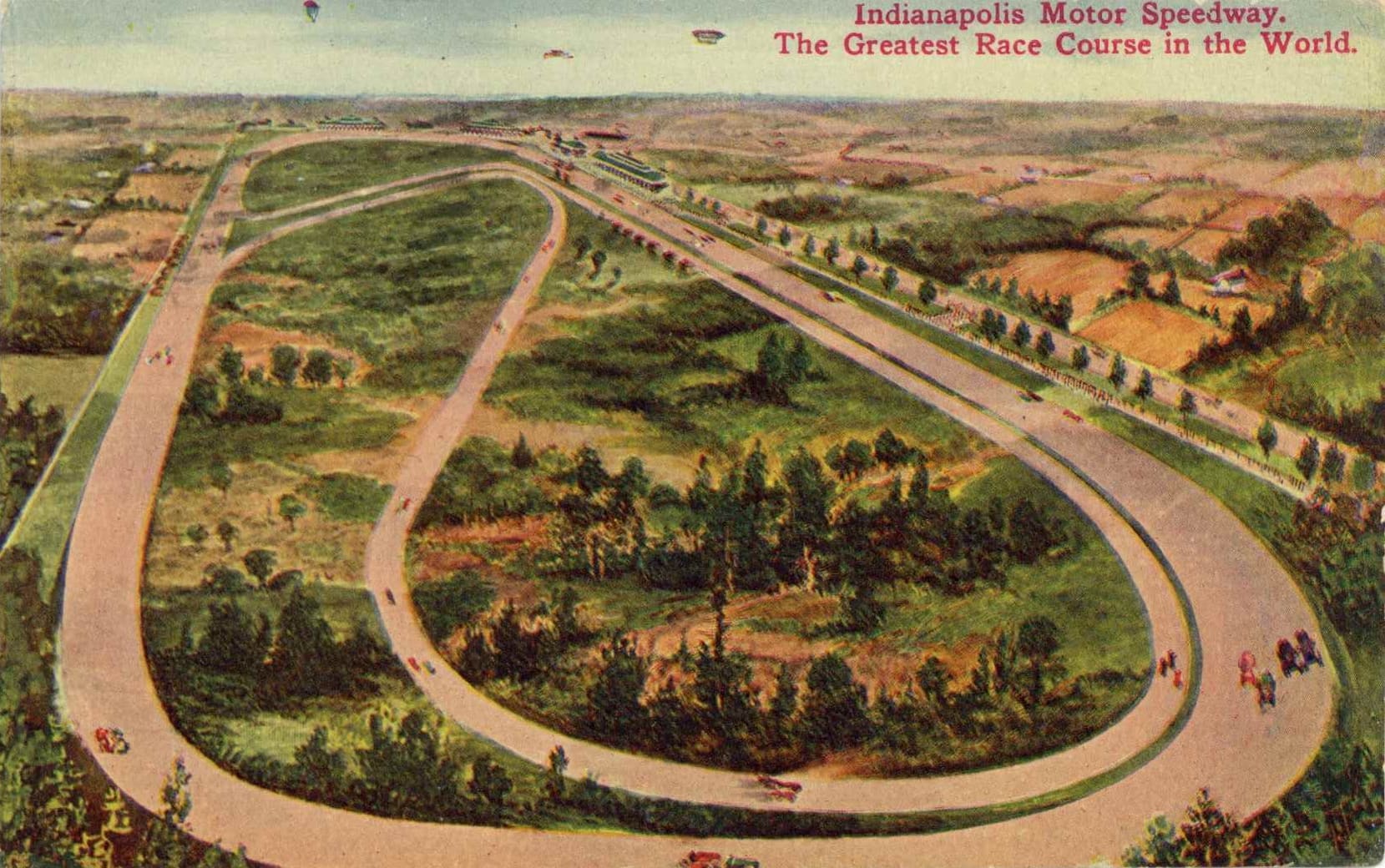
The Speedway was born in 1909, not as a monument to racing glory, but as a proving ground. Carl G. Fisher, along with James Allison, Arthur Newby, and Frank Wheeler, envisioned a place where the rapidly evolving automobile could be tested at its limits. Safety was a concern, innovation was the goal, and scale was non-negotiable. The result was a 2.5-mile rectangle — not an oval in the romantic sense, but a rational one. Long straights for sustained velocity. Flat turns to punish mistakes. Nothing hidden, nothing forgiven.
When the Indianapolis 500 debuted in 1911, the Speedway immediately became more than infrastructure. It became a filter. Only cars that could survive. Only drivers who could endure.
02
Iconic Moments & Heroes
Few places in motorsport history have forged heroes as methodically as Indianapolis Motor Speedway. This is not a circuit that rewards raw aggression alone; it crowns drivers who understand patience, mechanical sympathy, and long-term strategy. That philosophy is reflected clearly in the men who mastered it.
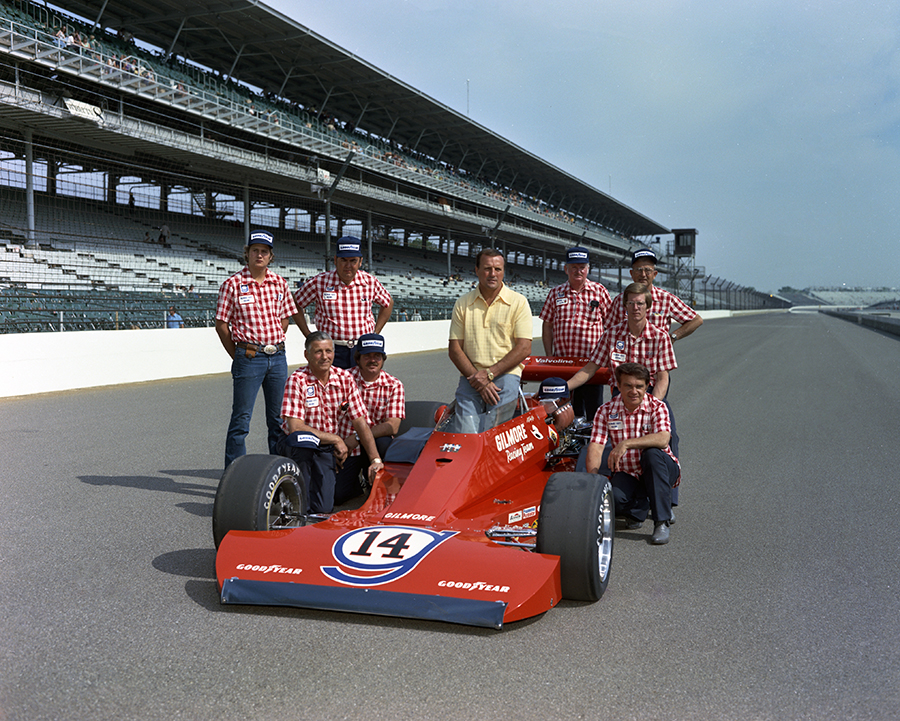
A. J. Foyt stands as the archetype. His four Indianapolis 500 victories were not about domination, but adaptability — across front-engine roadsters, rear-engine revolution, and multiple regulatory eras. Rick Mears, nicknamed “Rocket Rick,” brought clinical precision, proving that smoothness and consistency could conquer even the Speedway’s psychological pressure. The Unser family — Al Sr., Al Jr., and Bobby — turned the Brickyard into a dynasty, embedding family legacy into the venue’s DNA.
In the modern era, Hélio Castroneves redefined joy and resilience at Indianapolis, matching the four-win record while becoming inseparable from the crowd through his fence-climbing celebrations. Meanwhile, moments like Dan Wheldon’s dramatic last-lap victory in 2011 showcased the Speedway’s ability to reward patience and opportunism even after 500 miles of restraint.
From mechanical breakthroughs to human endurance, Indianapolis has never chased spectacle for its own sake. Instead, it has quietly assembled a hall of fame built on discipline, intelligence, and respect for speed — qualities that continue to define what it truly means to win at the Brickyard.
03
Engineering & Design DNA
Technically, the circuit is deceptively simple: four nine-degree corners, two massive straights, and short chutes in between. But simplicity is what exposes weakness. There’s nowhere to hide poor aero balance. No banking to rescue bad setup. The original brick surface — now preserved as a single yard at the start-finish line — symbolizes a philosophy: durability over decoration.
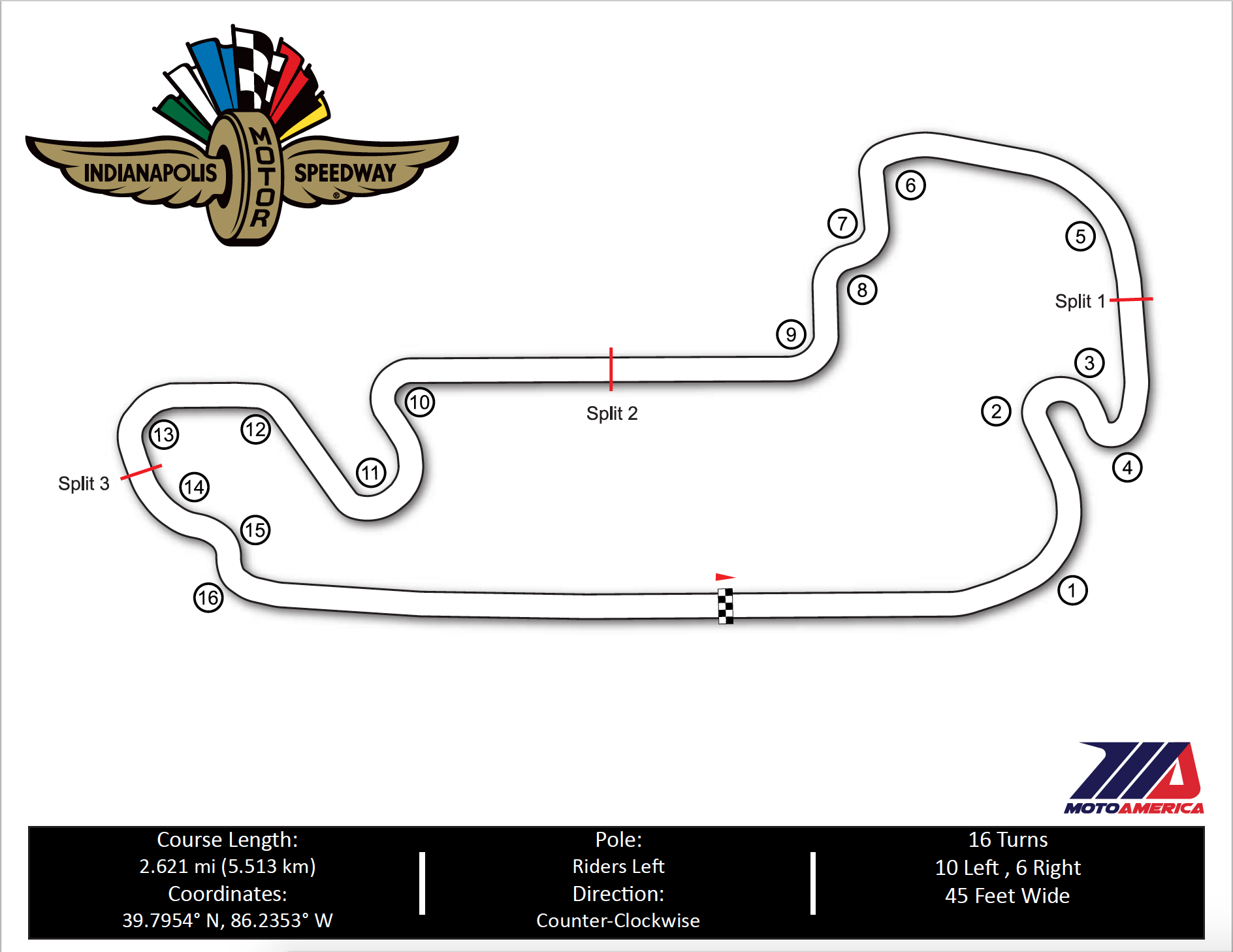
The later addition of the infield road course didn’t dilute the Speedway’s identity. It expanded it, proving the venue could evolve without forgetting what it was built to do.
04
Modern Era & Current UseToday
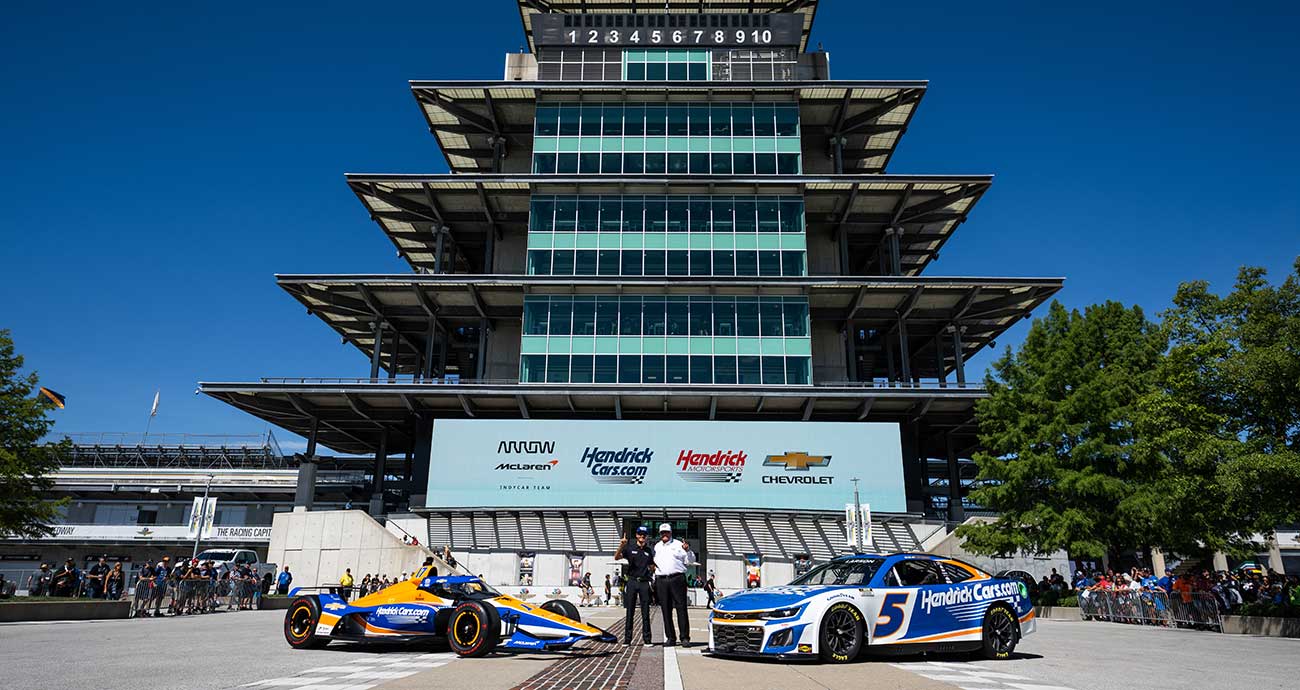
In the modern era, Indianapolis Motor Speedway has evolved into one of the most versatile motorsport complexes on the planet, without losing its core identity. The centerpiece remains the Indianapolis 500, part of the NTT IndyCar Series, which continues to define open-wheel racing through sheer scale, speed, and strategic depth. Alongside it sits the IndyCar Grand Prix, run on the infield road course, offering a technical contrast that emphasizes braking stability, chassis balance, and hybrid deployment rather than pure oval efficiency.
Stock car racing also holds a firm place here through the Brickyard 400, a NASCAR Cup Series event that translates the Speedway’s unforgiving geometry into a test of endurance and tire management rarely seen in oval racing. On the two-wheel side, the venue has hosted MotoGP and continues to support major motorcycle events, while the infield circuit regularly welcomes IMSA endurance races, sports car festivals, and manufacturer test programs.
Beyond competition, the Speedway functions year-round as a cultural and technical hub. Historic racing weekends, manufacturer showcases, engineering demonstrations, and large-scale automotive gatherings turn the facility into a living laboratory. The Indianapolis Motor Speedway Museum anchors all of this, contextualizing modern racing within more than a century of mechanical evolution. In today’s motorsport landscape, few venues operate simultaneously as racetrack, research space, museum, and pilgrimage site — and fewer still do it with this level of clarity and purpose.
Indianapolis isn’t about drama. It’s about data, discipline, and distance. It rewards those who understand machines, respect probability, and think long-term. In an era of spectacle, it remains stubbornly analytical — and that’s precisely why it endures.
This is not a track that asks for passion. It demands competence.
“You’re not going to out-think this place. You respect it, you survive it, and if you do everything right, maybe it lets you win.”