It remains a concours-level monument to engineering ambition, coachbuilt beauty, and the lost golden age of European motoring.
The 1937 Horch 853 A Sport Cabriolet is what happens when pre-war Germany decides that “subtle” is a disease and the cure is chrome, leather,
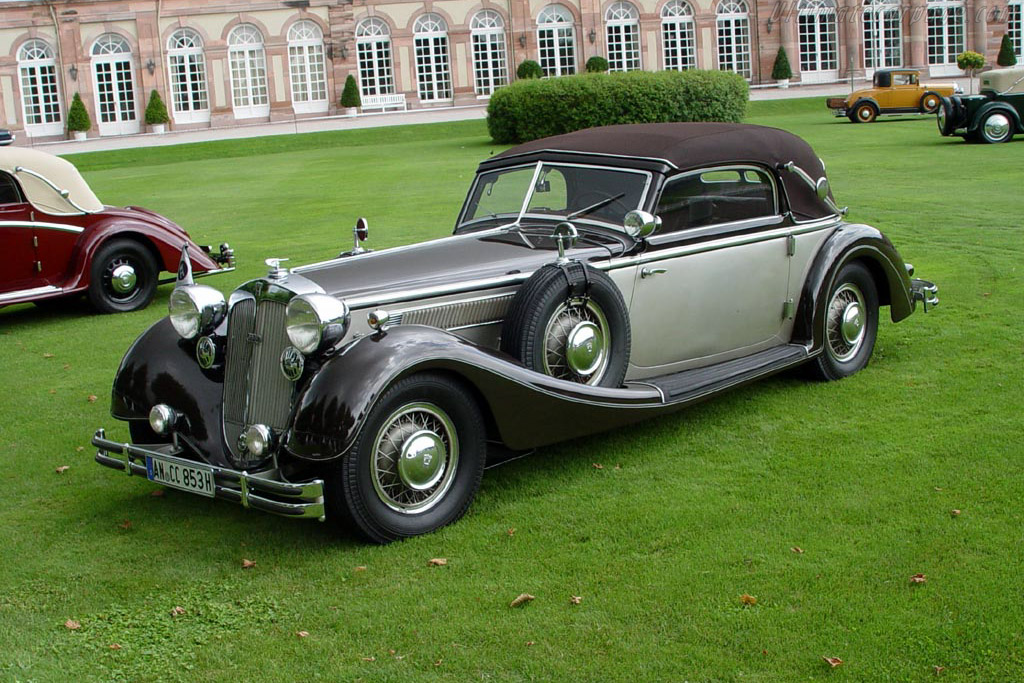
and a five-metre-long aristocratic thundercloud. Built in Zwickau under the Auto Union umbrella, it sat near the very top of the Horch kingdom: a grand touring cabriolet for industrialists, diplomats, racing heroes, and people who thought a Mercedes-Benz 540K was perhaps a little too obvious.

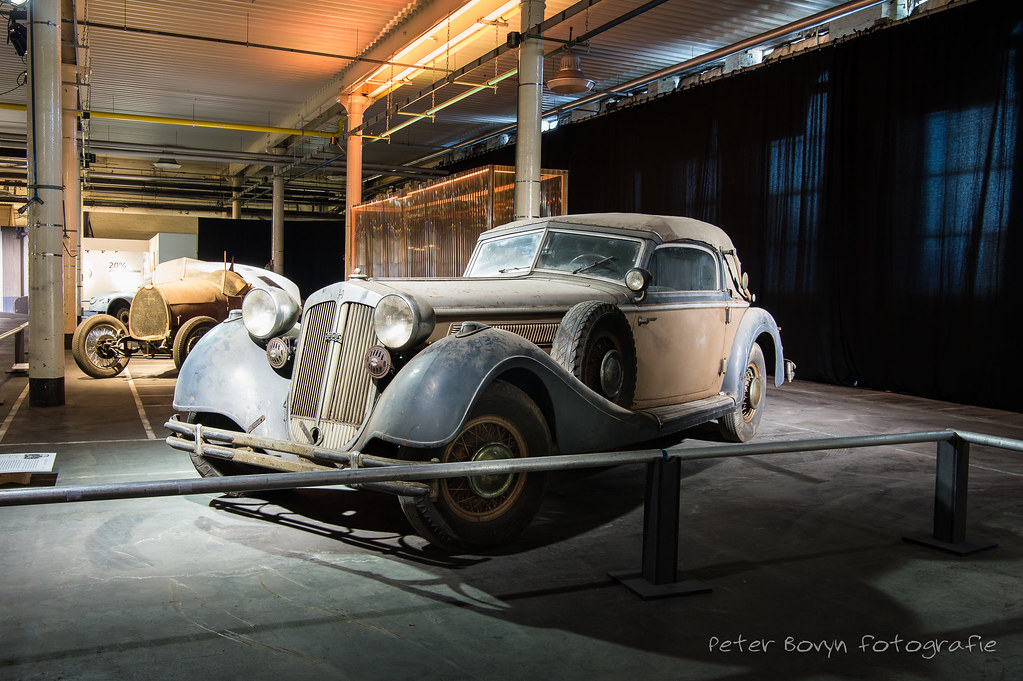

Under that endless bonnet lives a 4,944 cc straight-eight, the sort of engine that does not so much start as clear its throat before entering a ballroom. By 1937, the 853 A received the stronger 120 bhp version,
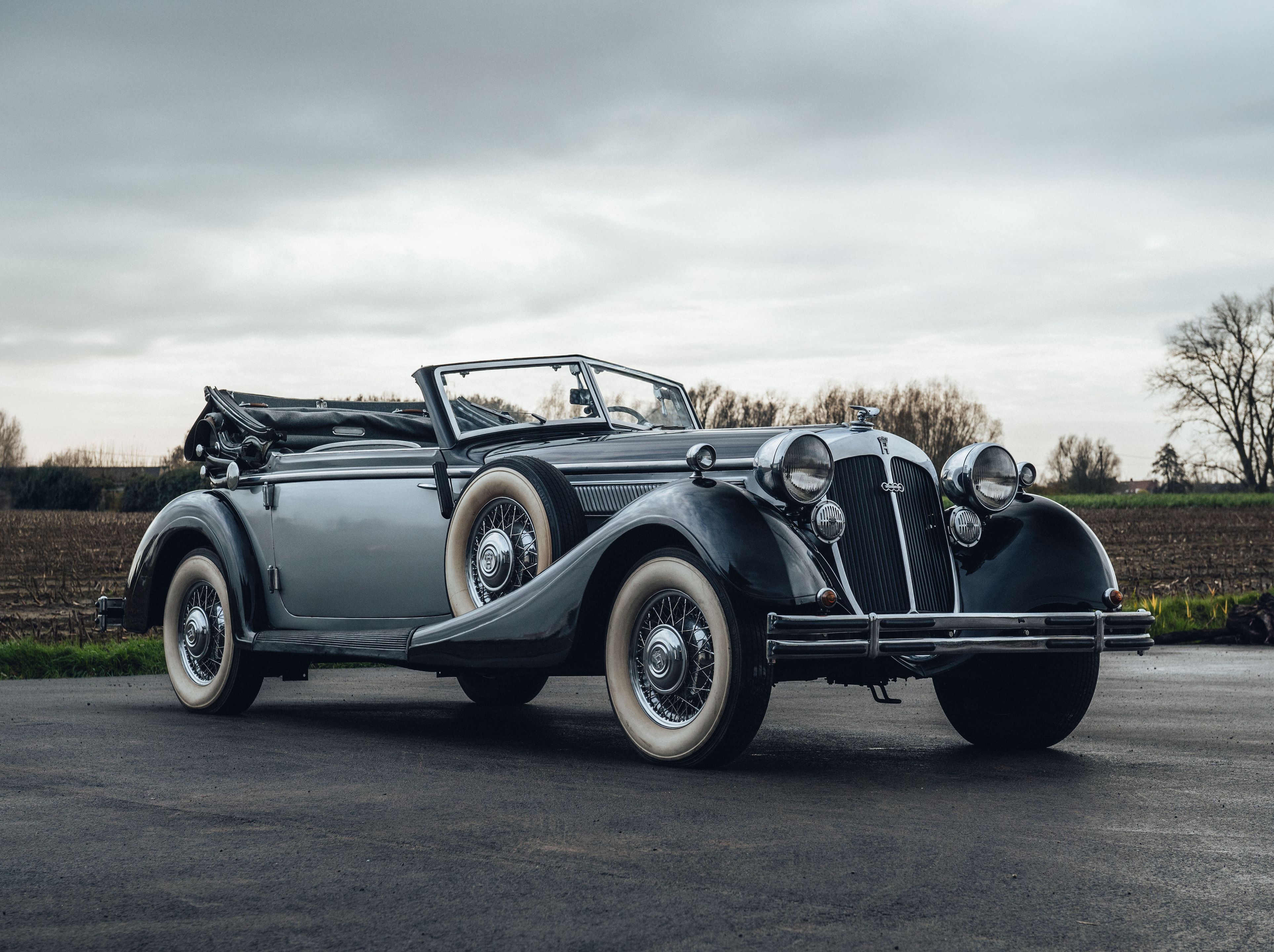
helped by revised tuning and a higher compression ratio. That sounds modest today, but remember, this car weighs about 2,630 kg and was born before highways became clinical grey conveyor belts.
.jpg)
Its 130–135 km/h top speed was not a number; it was a declaration that one could travel very quickly while dressed like a prince and smelling faintly of cigar smoke.
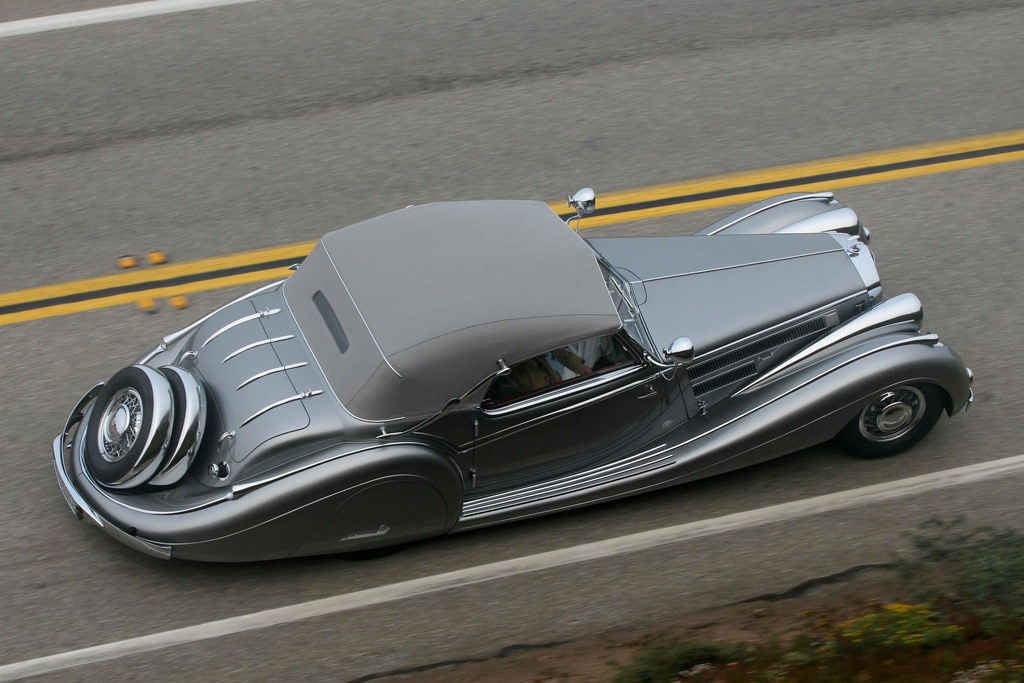
The engineering was serious. A steel body over a steel frame, independent front suspension, a De Dion rear axle, hydraulic drum brakes with assistance,

and a ZF four-speed manual gearbox gave it proper grand-tourer bones. It was not a sports car in the modern twitchy sense. It was more like a cathedral with steering: huge, composed, dignified, and completely unwilling to be rushed by peasants in tiny motorcars.
Then there is the shape. The Sport Cabriolet body, often associated with Horch’s finest factory and custom coachwork traditions,
.webp)
flows with sweeping wings, a proud upright grille, and a cabin set back like the owner is commanding a yacht from the rear deck. Erdmann & Rossi, Voll & Ruhrbeck, Gläser, and other coachbuilders helped turn Horch chassis into rolling sculpture. These were not mere cars. They were national-confidence machines with tyres.
.jpg)
Its historical gravity is enormous. Horch was one of the four rings of Auto Union, standing for upper-class engineering before the modern Audi story began. The 853 A arrived in a Europe already rumbling toward catastrophe, which gives every surviving example a strange double life: part luxury object, part time capsule from a world that vanished almost overnight.
As a collector car, the 853 A Sport Cabriolet is brutally desirable. It has rarity, scale, craftsmanship, engineering charm, and enough presence to make a modern supercar look like a plastic trainer.

It is not bought for convenience. It is bought because somewhere deep in the soul, a person wants to arrive at a concours lawn and make every champagne glass pause mid-air.
-
Johann Wolfgang von Goethe, German writer and statesman


