A pre-war Italian masterpiece combining supercharged performance, racing dominance, and handcrafted elegance.
Before Formula One, before carbon fibre, before wind tunnels began whispering secrets to computers, there was a time when speed was crafted by hand and courage was the primary safety system. In that world, the Alfa Romeo 8C 2300 Corto Touring Spider didn’t just compete—it defined what it meant to be fast, elegant, and just a little bit dangerous.
The story begins with Vittorio Jano, a man who treated engines like symphonies. His creation—the 8C—was built around a supercharged straight-eight engine of 2,336 cc, a mechanical masterpiece that delivered around 142 hp in road-going form, and significantly more in racing trim. But numbers, as always, tell only part of the story. This engine didn’t merely produce power—it produced character. A rising mechanical howl that sounded less like machinery and more like intent.
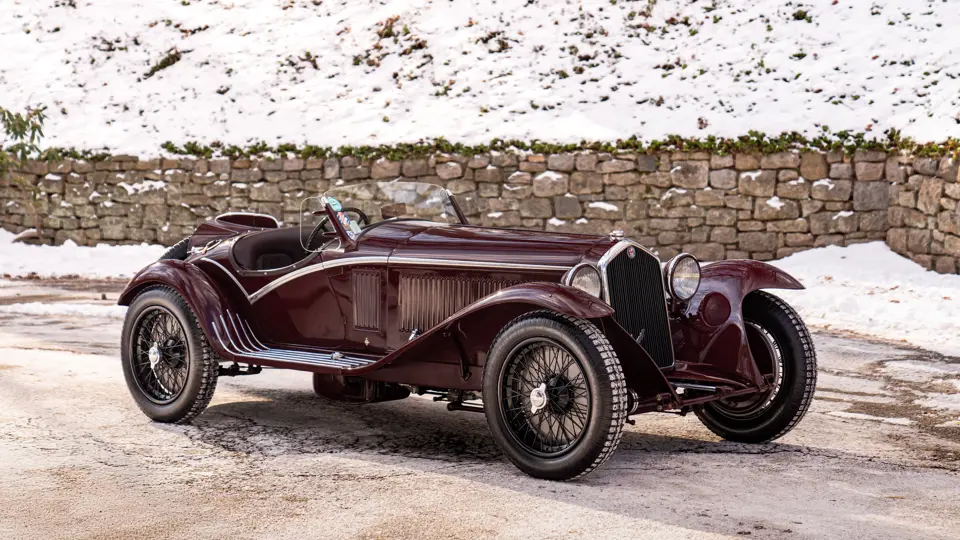
“Corto” refers to the short-wheelbase version—2,750 mm of tightly wound purpose. Compared to the longer chassis variants, this one felt sharper, more agile, more alive. And then came the bodywork. Crafted by Carrozzeria Touring using their patented Superleggera method, the Spider body was light, flowing, and impossibly graceful. Aluminium panels stretched over a delicate tubular frame, creating a shape that looked as though it had been drawn in one uninterrupted breath.
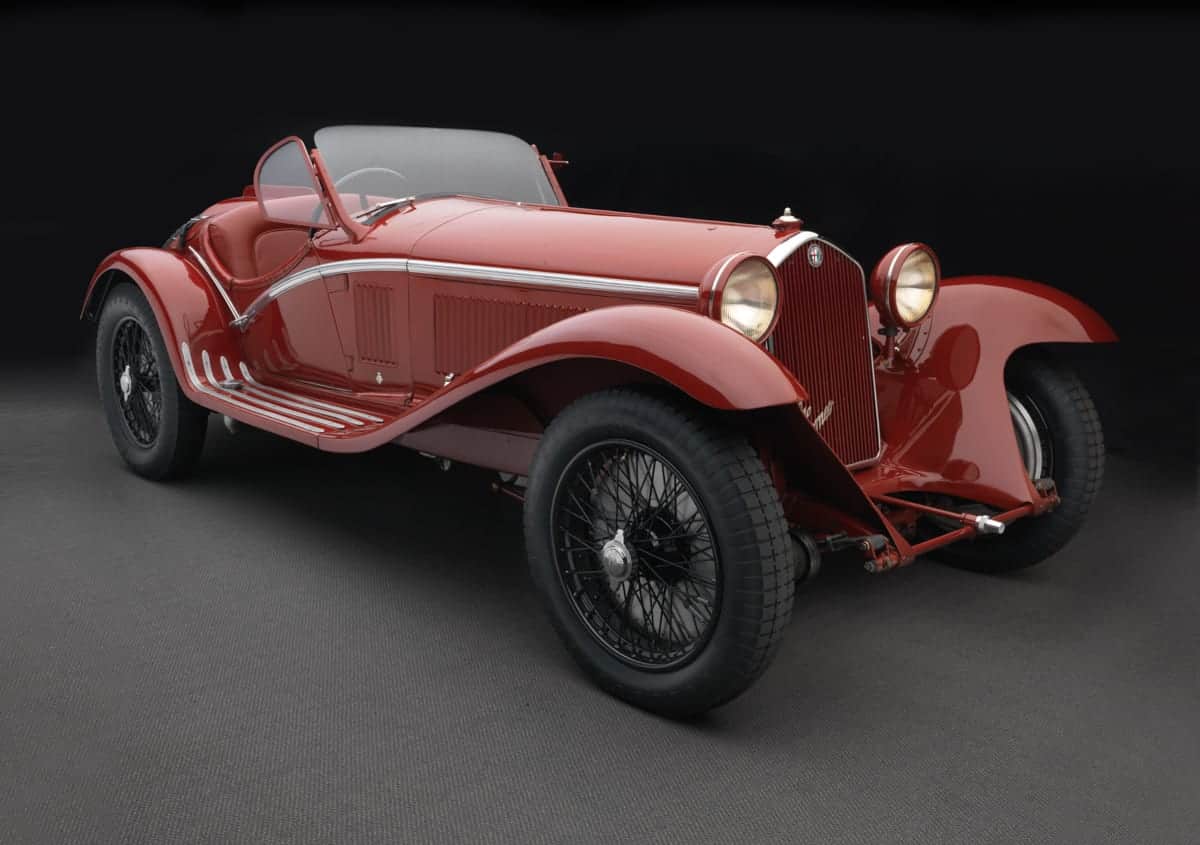
But this wasn’t just a beautiful object. It was a weapon. Cars like this, driven by legends such as Tazio Nuvolari, dominated endurance racing in the early 1930s. The 8C platform secured multiple victories at the 24 Hours of Le Mans, establishing Alfa Romeo as a force to be feared. These were races run over brutal distances, on unforgiving roads, with drivers who understood that finishing was an achievement, and winning was something close to myth.
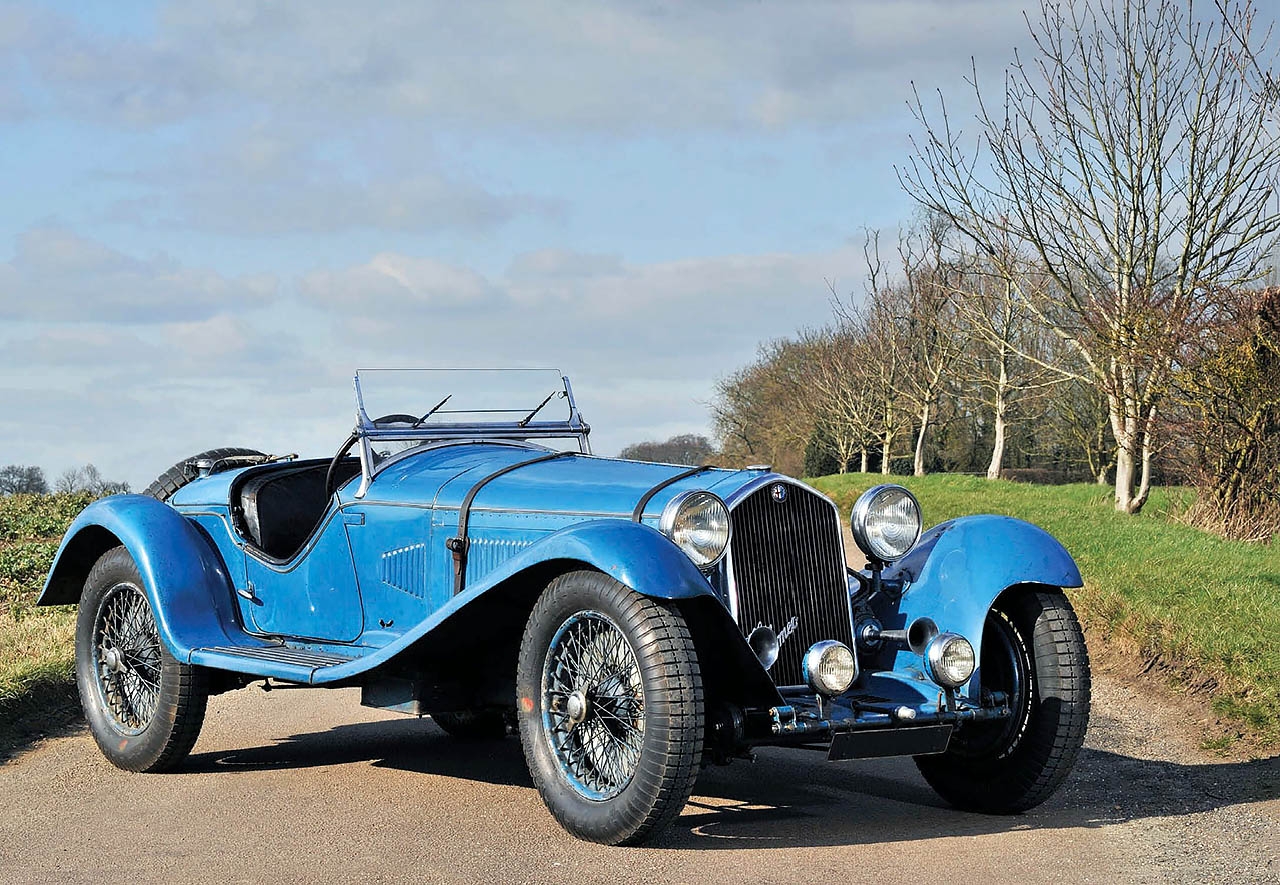
Technically, the car was advanced for its era. A ladder-frame chassis, leaf-spring suspension, and a 4-speed manual gearbox might sound primitive now, but combined with the supercharged engine and relatively low weight—around 1,000 kg—it created a machine that was both fast and remarkably controllable. Top speeds approached 180 km/h, which, in the 1930s, felt less like driving and more like time travel.

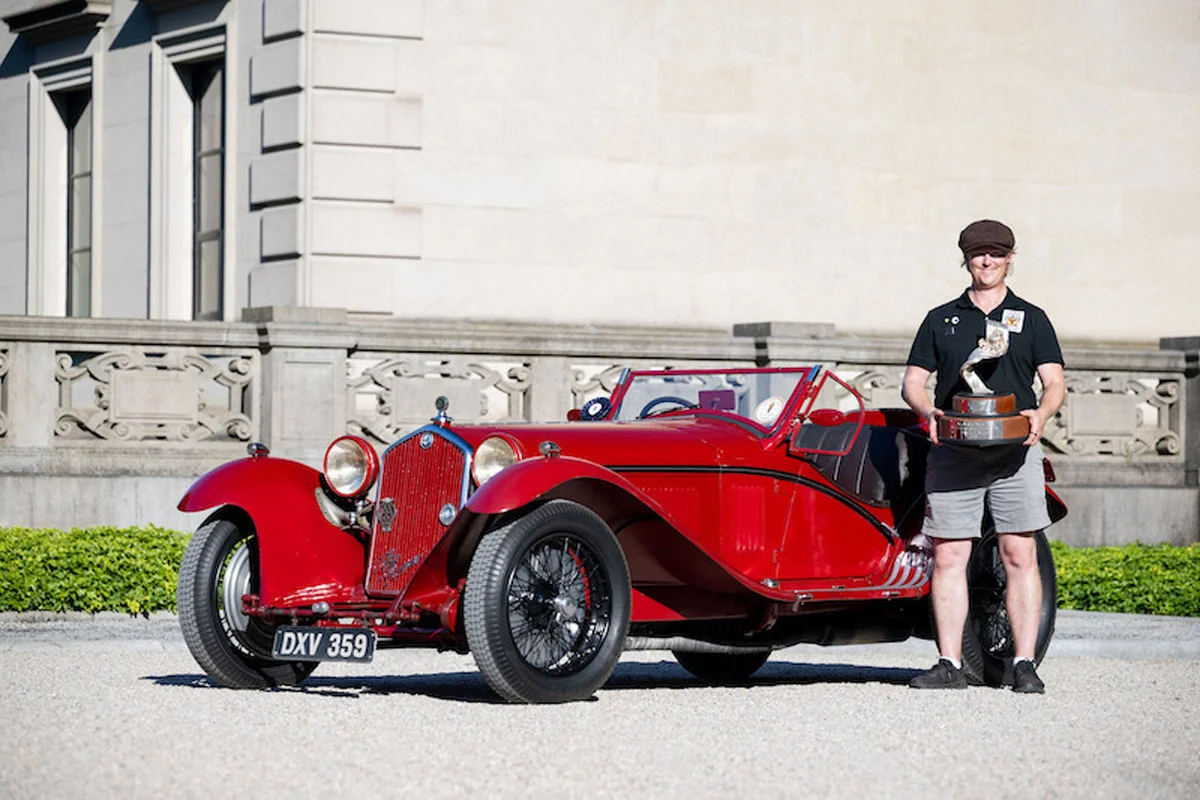
The magic of the 8C 2300 Corto Touring Spider lies in its contradictions. It is delicate, yet brutal. Elegant, yet ferocious. A car that can sit silently on a concours lawn, glinting under soft light—and then, with a turn of a key, transform into something that demands absolute respect.

Today, it is more than a car. It is a relic of an era when engineering and artistry were inseparable, when racing drivers were equal parts athlete and philosopher, and when speed had a certain romance that modern machines, for all their brilliance, sometimes struggle to replicate.
Owning one is not about performance figures. It is about stewardship—of history, of craftsmanship, and of a time when the line between man and machine was much, much thinner.

-
Leonardo da Vinci, Italian polymath


