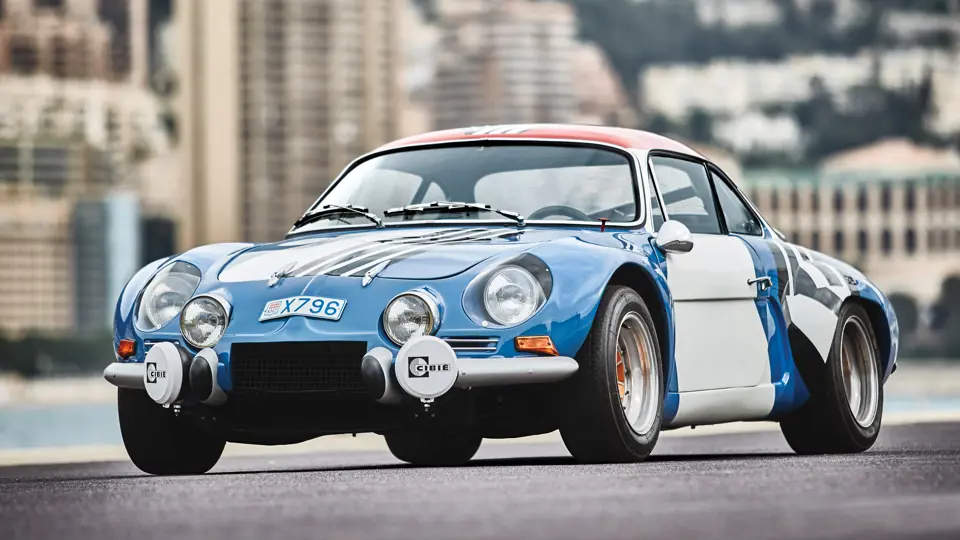
A lightweight rear-engine rally car that helped Alpine win the inaugural World Rally Championship for Manufacturers in 1973.
In the twisting mountain passes of Europe during the late 1960s and early 1970s, a peculiar sight began humiliating far more powerful machinery. While rivals thundered through the forests with large engines and heavy bodies, a tiny French coupe darted between the corners like a dragonfly. That car was the Alpine A110 Rally 1600S, and it would soon become one of the most dominant rally machines the world had ever seen.

The origins of the A110 trace back to Jean Rédélé, a young French racing driver and engineer who believed that lightness and agility mattered more than brute power. In 1955 he founded Alpine, a small but ambitious manufacturer that specialised in lightweight sports cars based on Renault mechanical components.
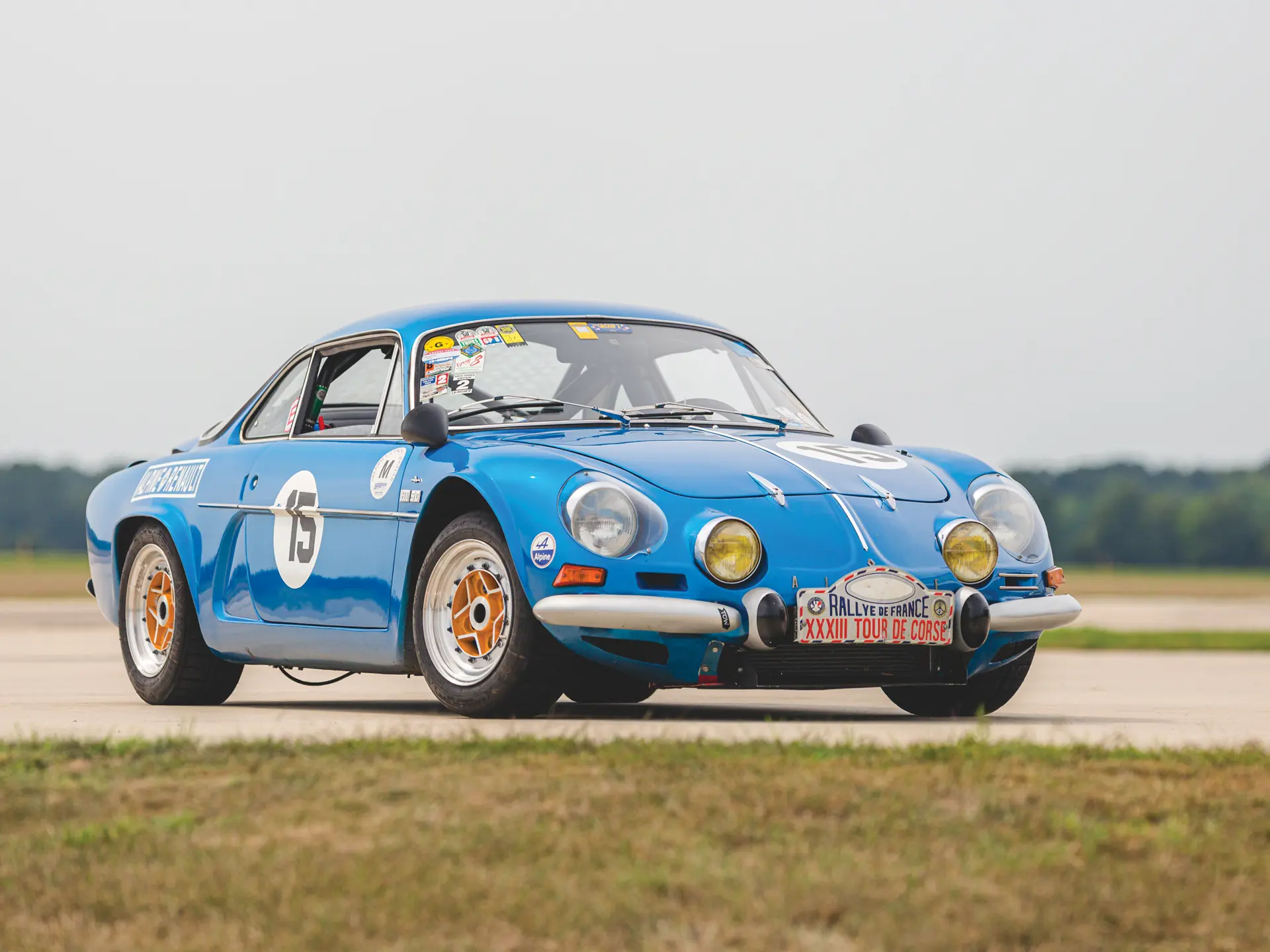
By the mid-1960s, Alpine had developed the A110 Berlinette, a compact coupe with a sleek fiberglass body mounted over a steel backbone chassis. The car’s layout was unconventional for its time: the engine sat behind the rear axle, driving the rear wheels. This rear-engine configuration provided exceptional traction on loose rally surfaces such as gravel and snow.
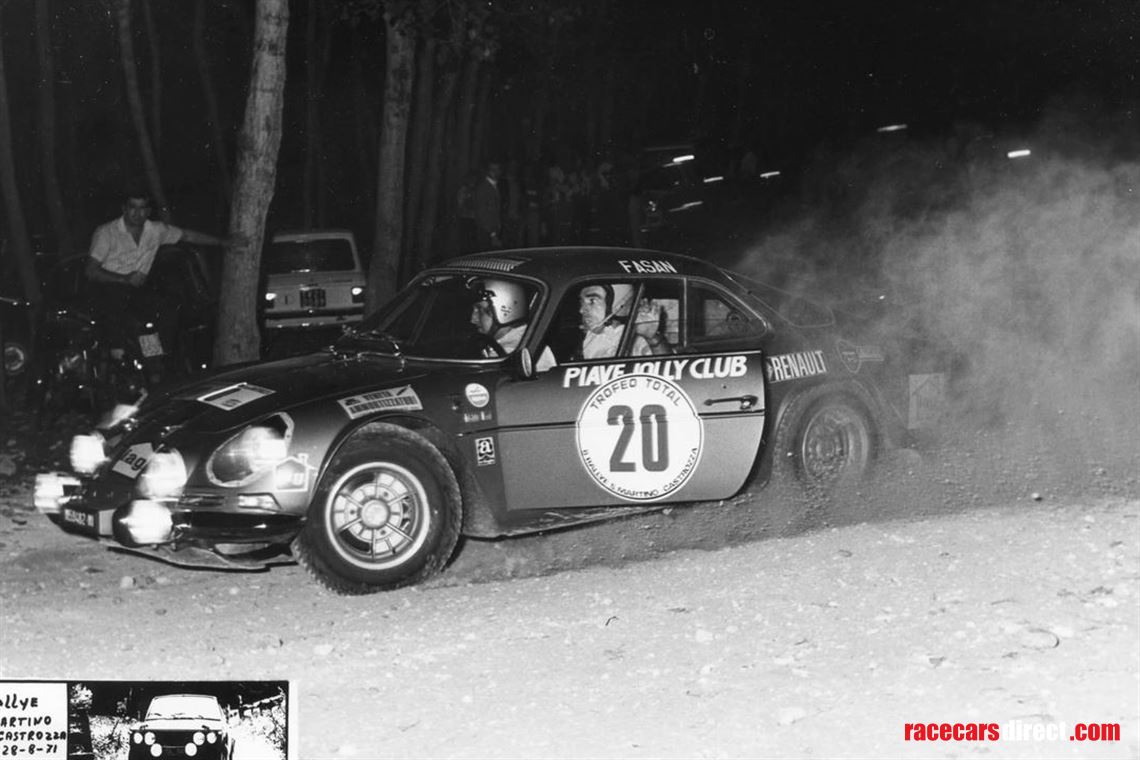
The A110 Rally 1600S, introduced in the early 1970s, represented the ultimate evolution of the Berlinette concept. Beneath its delicate bodywork lived a 1.6-litre inline-four engine, developed from Renault’s Gordini performance units. Thanks to careful tuning—including twin carburetors and high-revving internals—the engine produced roughly 138 horsepower.
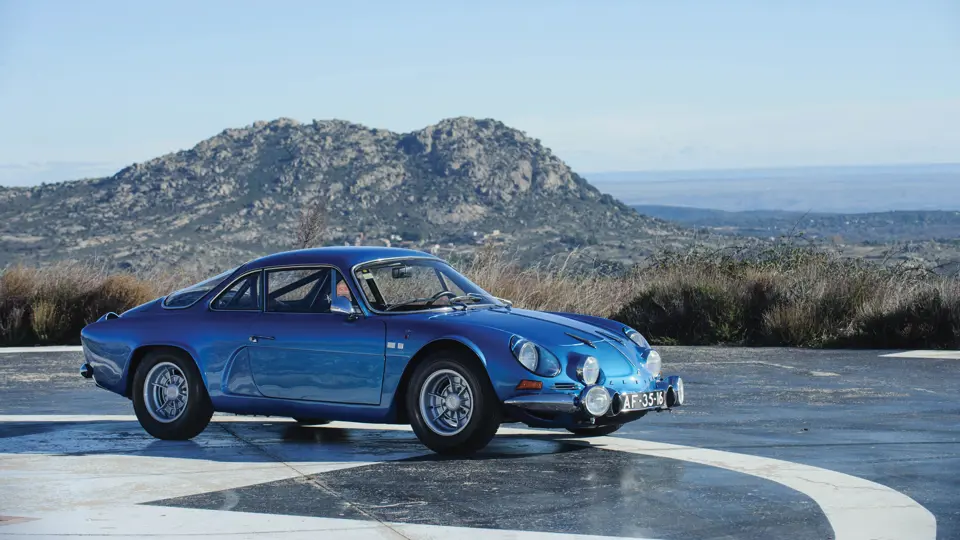
That figure might not sound extraordinary today, but the real magic lay in the car’s weight. At just around 700 kilograms, the A110 possessed an extraordinary power-to-weight ratio. Combined with its compact dimensions and perfectly balanced chassis, it could change direction with startling precision.
Rally drivers adored it.
Behind the wheel were legends such as Jean-Claude Andruet, Jean-Pierre Nicolas, and most famously Jean-Claude “Biche” Thérier. On narrow mountain roads where precision mattered more than raw speed, the Alpine danced through corners while heavier competitors struggled to keep up.
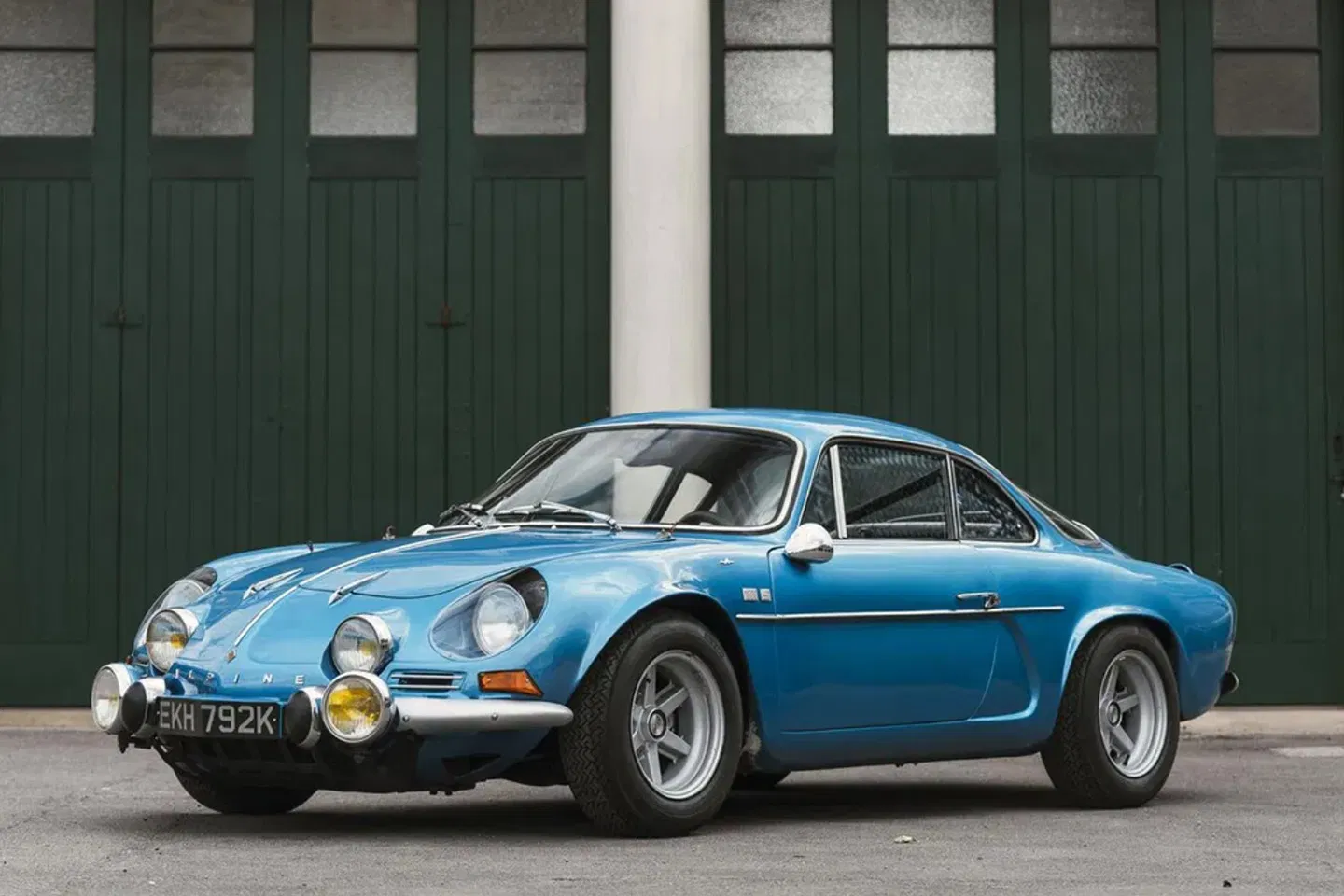
The car’s greatest triumph came in 1973, when Alpine won the inaugural World Rally Championship for Manufacturers. Victories at events like the Monte Carlo Rally, Rallye Sanremo, and Tour de Corse established the A110 as one of rallying’s most successful machines.

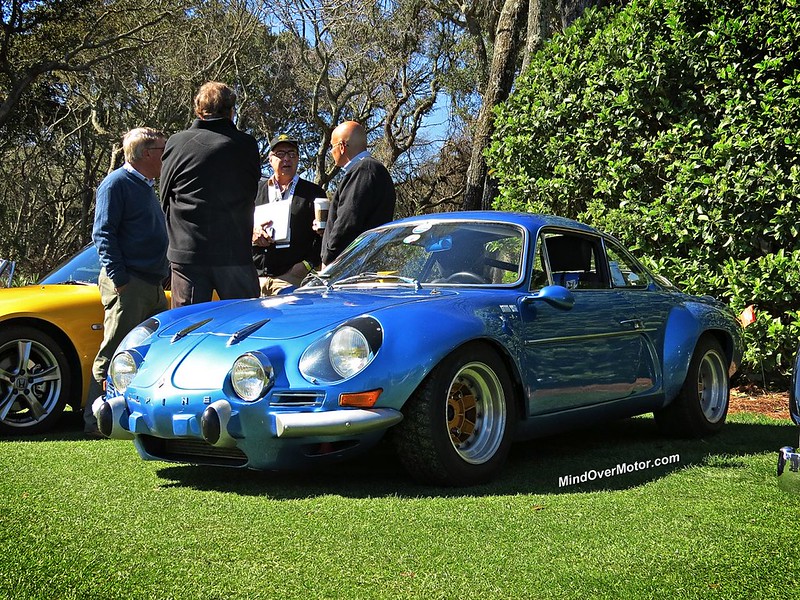
Its appearance became just as iconic as its performance. The rounded nose with four headlights, compact wheel arches, and delicate proportions made the A110 instantly recognizable. It looked almost fragile—yet on a rally stage it was devastatingly effective.

Eventually, increasing competition and changing regulations brought the A110’s competitive career to an end. Yet its legend never faded. The car remains a symbol of a golden era of rallying, when lightweight engineering and driver skill could defeat larger and more powerful rivals.

Today the Alpine A110 Rally 1600S is remembered not just as a successful race car, but as proof that brilliance in motorsport often comes from elegance, balance, and the courage to pursue a simple idea perfectly.