The Blue Train Bentley is where speed became legend, and legend became more beautiful than the truth.
March 1930, Cannes. Woolf Barnato is sitting in the South of France when conversation turns to the famous Blue Train, the luxury express carrying Europe’s well-fed elite north towards Calais.
Other manufacturers had already boasted about beating it. Barnato, Bentley chairman, three-time Le Mans winner and a man apparently incapable of hearing a challenge without making it considerably more expensive, dismissed the achievement as “no great shakes”. Then he decided to prove it.
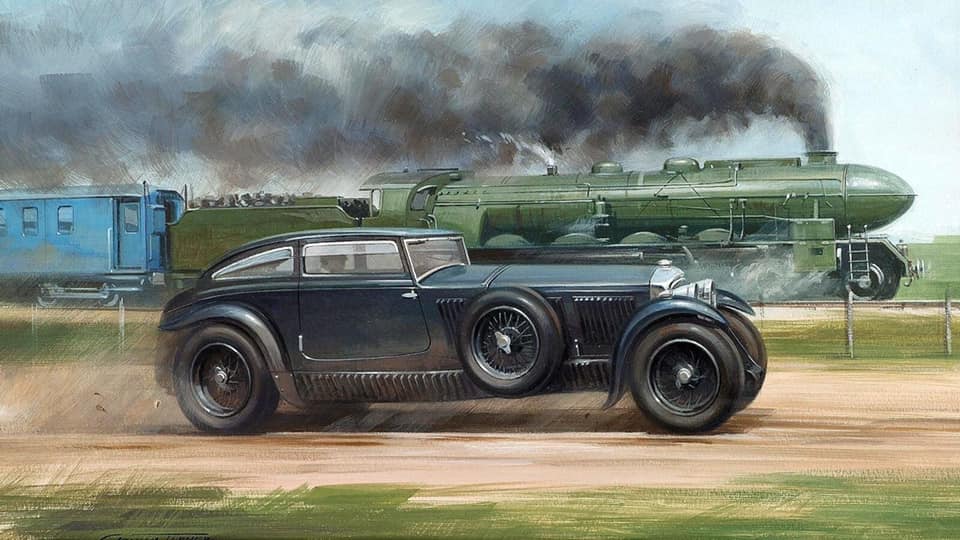
At 5:45pm on 13 March, the train left Cannes. Barnato and Dale Bourne left the Carlton in a Bentley Speed Six. Rain hammered the roads, fog appeared near Paris, a puncture consumed their only spare and one planned fuel stop became an impromptu treasure hunt. Nevertheless, they reached Calais at 10:30 the following morning. Barnato then continued across the Channel and arrived at his London club at 3:20pm — four minutes before the Blue Train reached Calais.
Bentley received a fine and was barred from the Paris Salon. Worth it, one suspects.
But here comes the delicious problem: the magnificent coupé everybody now calls the Blue Train Bentley wasn't actually the car.
The famous streamlined Speed Six, chassis HM2855, was not completed until May 1930. Barnato probably made his extraordinary run in a far more conventional H.J. Mulliner-bodied Speed Six saloon. The mistake endured partly because the coupé looked so magnificently right for the story that history simply surrendered.
And frankly, you can see why.
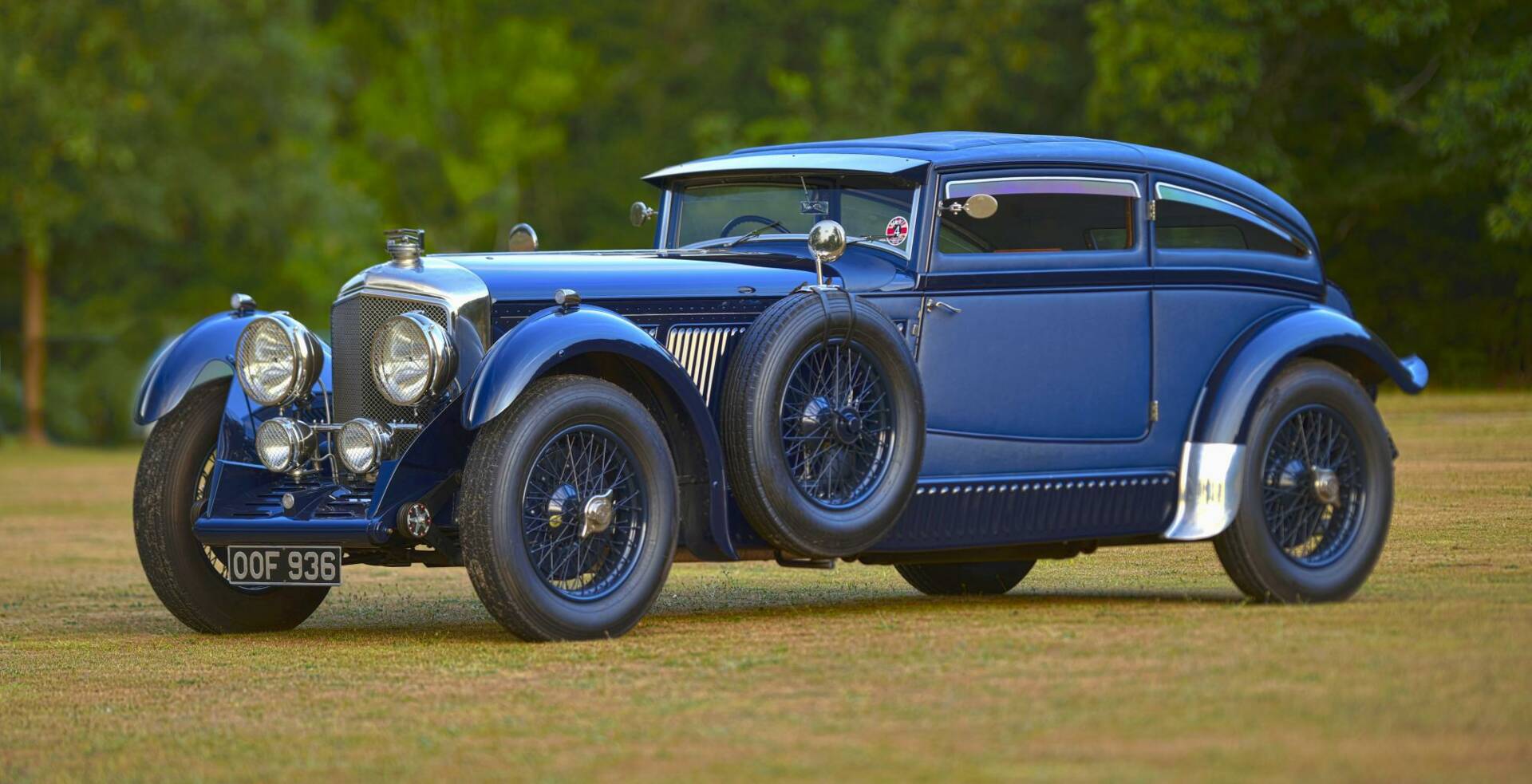
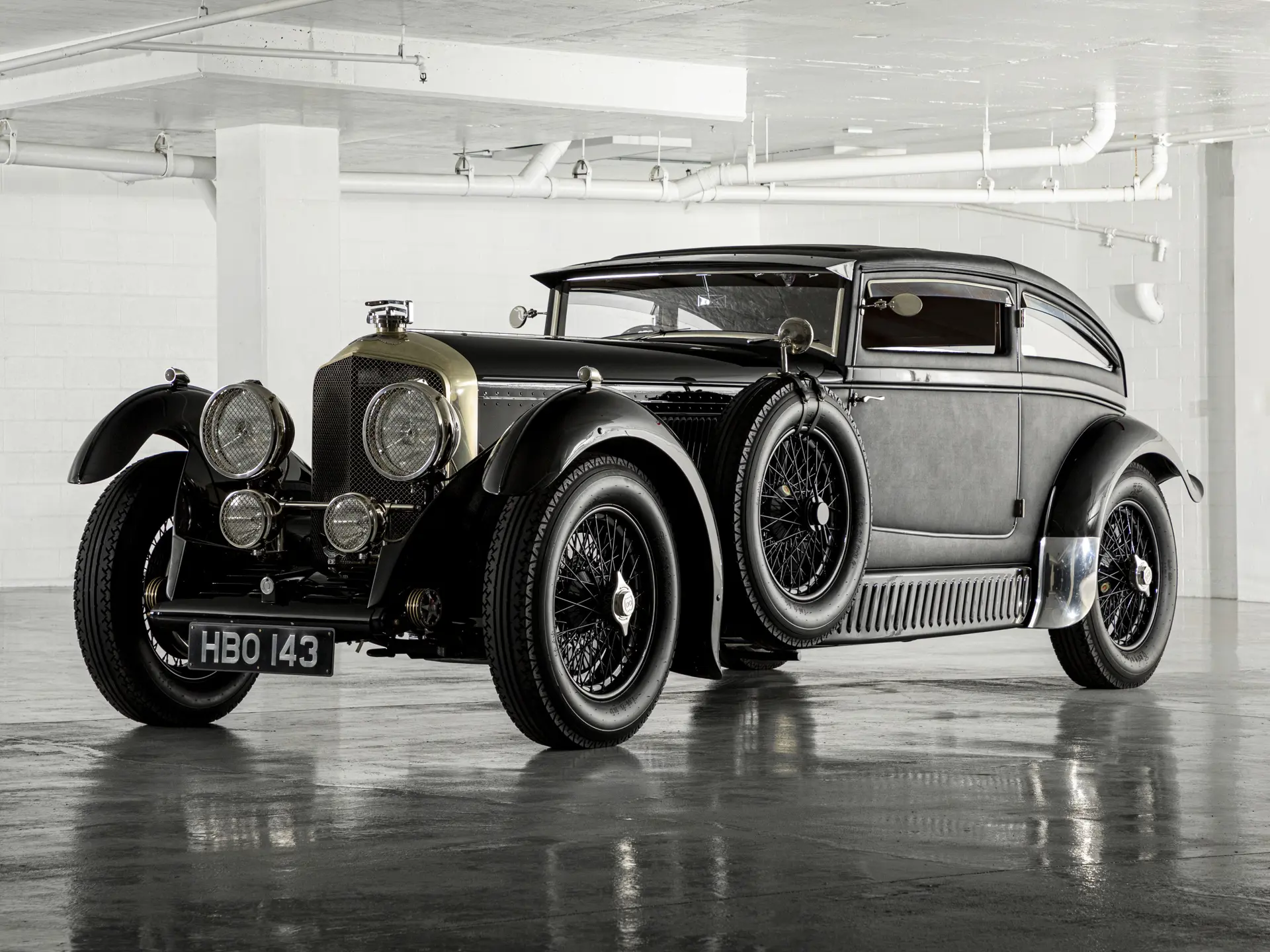
Coachbuilder Gurney Nutting created HM2855 specifically for Barnato. Its long bonnet, brutally upright radiator and absurdly low roof produced something halfway between a gentleman's express and an artillery shell wearing evening dress. A 2+1 cabin placed the third passenger sideways beneath the sloping roof. There were enormous Zeiss headlamps, external exhaust pipes and sweeping bodywork that would later influence Bentley's own designers when shaping the Continental GT.
Under that endless bonnet sat W.O. Bentley's magnificent 6,597 cc naturally aspirated straight-six. Twin SU carburettors, a higher compression ratio and hotter camshaft helped the Speed Six produce around 180 bhp — considerable power in an age when many roads still appeared to have been surfaced by throwing gravel from a cart.
Drive went rearwards through a four-speed manual gearbox. The Blue Train Coupé used a 3,569 mm wheelbase and weighed approximately 2,200 kg. Top speed was around 160 km/h. None of this sounds especially outrageous today until you remember the brakes were enormous drums, the suspension involved rigid axles and leaf springs, and the steering possessed roughly the delicacy of operating a canal lock.
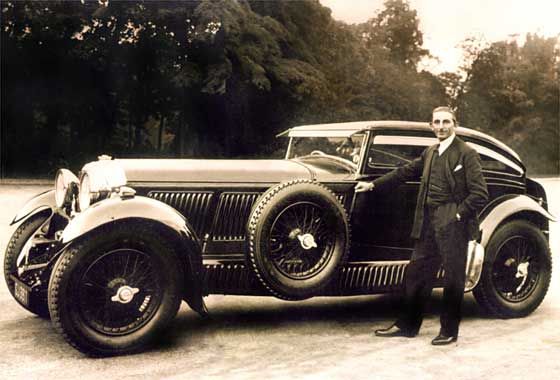
Yet speed was only half its character. This was a machine designed to cross countries at enormous pace while its owner remained dressed for dinner. There is even a cocktail cabinet. Modern performance cars offer configurable traction control; Barnato's Bentley offered alcohol storage. Civilization has clearly progressed in several directions at once.
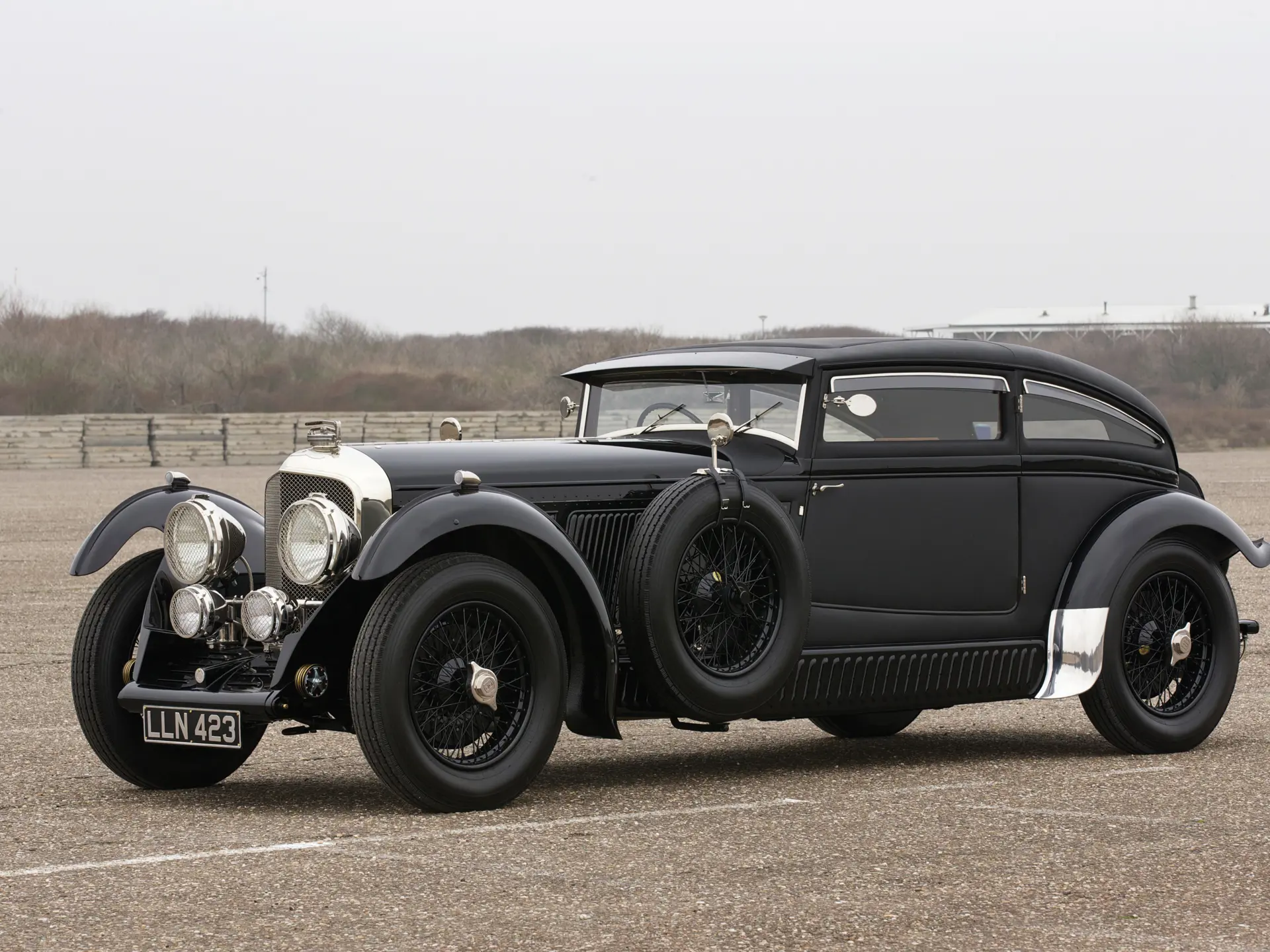
The Speed Six beneath it had genuine pedigree. Bentley's competition versions won Le Mans in both 1929 and 1930, making the model the most successful racing Bentley of its era. Barnato himself never lost at Le Mans: three starts, three victories. He did not so much understand endurance driving as regard exhaustion as somebody else's administrative problem.
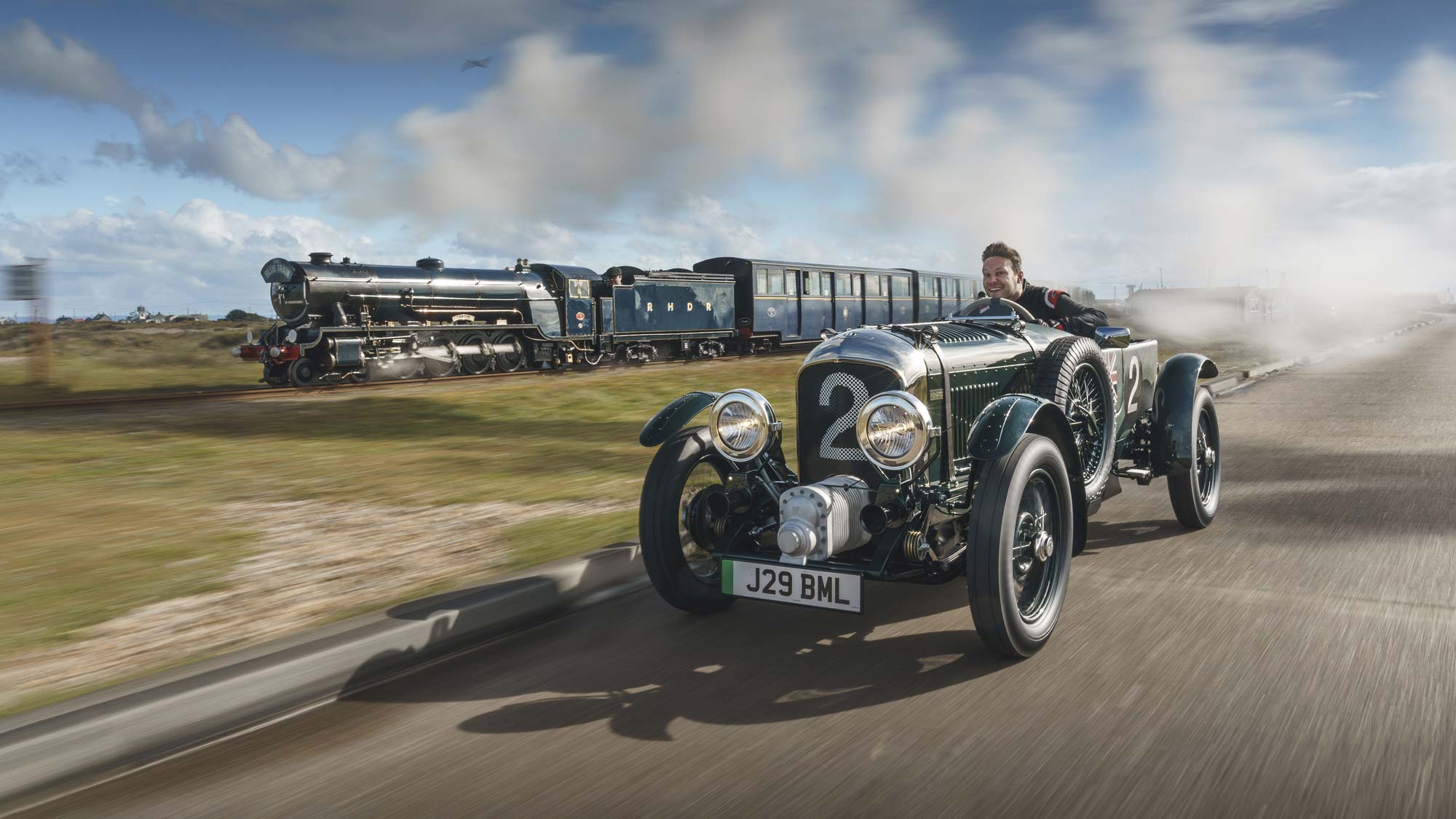
What makes the Blue Train Coupé extraordinary, however, is that the historical error became part of its identity. Terence Cuneo's famous painting showed the streamlined Gurney Nutting car charging alongside the locomotive, helping cement an image of an event the car never attended. Later research into Bentley's own records established that HM2855 was completed weeks afterwards.
And somehow that doesn't diminish it. Quite the opposite.
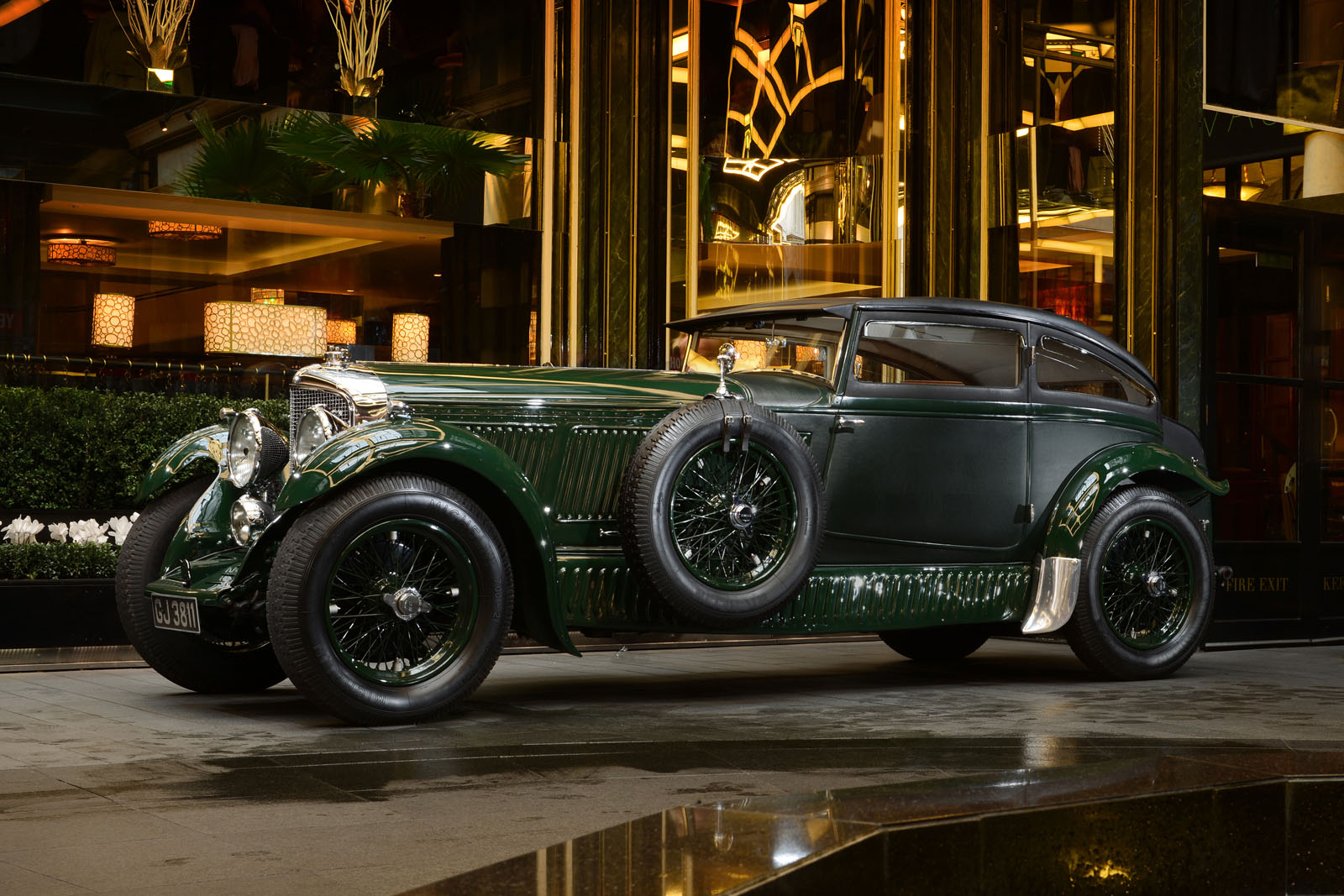
Signature Line: the Blue Train Bentley became legendary for winning a race it never entered.
Few automobiles demonstrate so perfectly how machines become myths. The actual Speed Six accomplished the impossible journey; the Gurney Nutting coupé gave that achievement a face. One supplied the heroism, the other supplied the silhouette, and history cheerfully glued the two together.
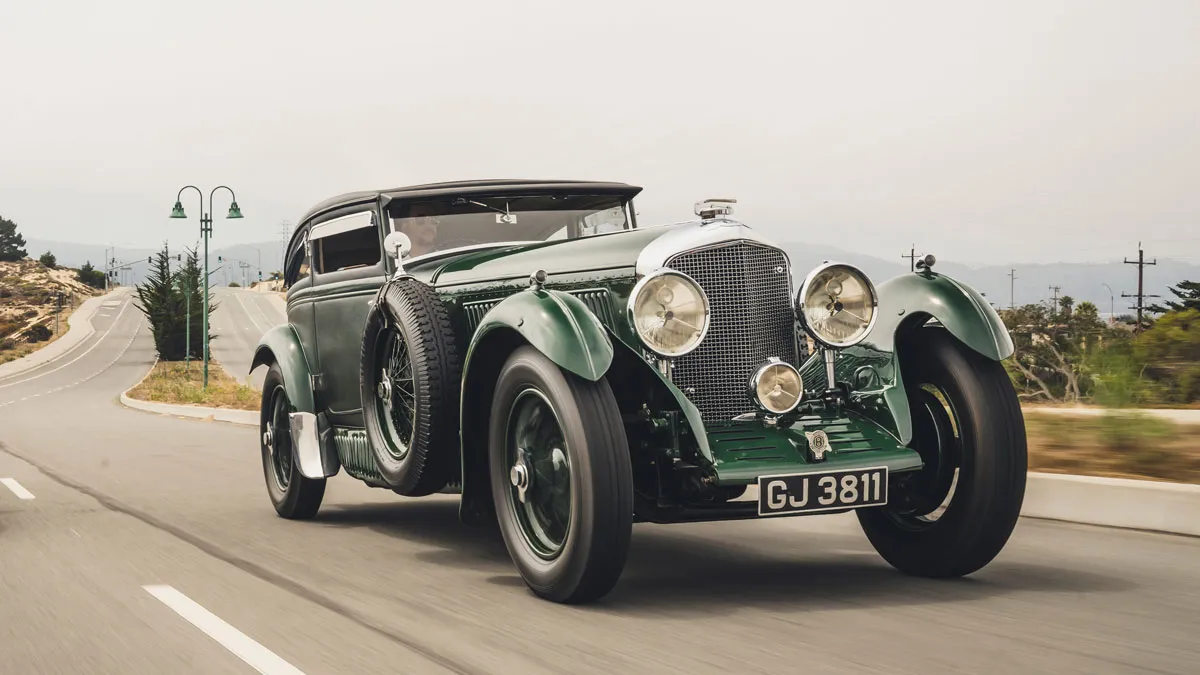
Today HM2855 represents the entire Bentley Boy era: extravagant, technically serious, slightly irresponsible and deeply British. It comes from a period when wealthy men raced trains across continents simply because somebody at dinner suggested they couldn't.
.webp)
We've invented faster cars since. I'm not entirely convinced we've invented better evenings.


