Disciplined, devastatingly effective endurance Ferrari: fast without drama, stable in chaos, kind to drivers, ruthless to rivals, and proof that modern Maranello wins by thinking, not shouting, over long nights.
The Ferrari 488 GT3 exists in a very specific corner of Maranello’s soul: the place where romance is allowed, but only after reliability has signed the paperwork. This is not a road car with numbers added, nor a museum piece freed for parade laps. It’s a professional tool built to survive 24-hour races, amateur drivers, pro drivers, heat, kerbs, bad fuel, worse weather, and the kind of contact that would make an Italian tailor weep.
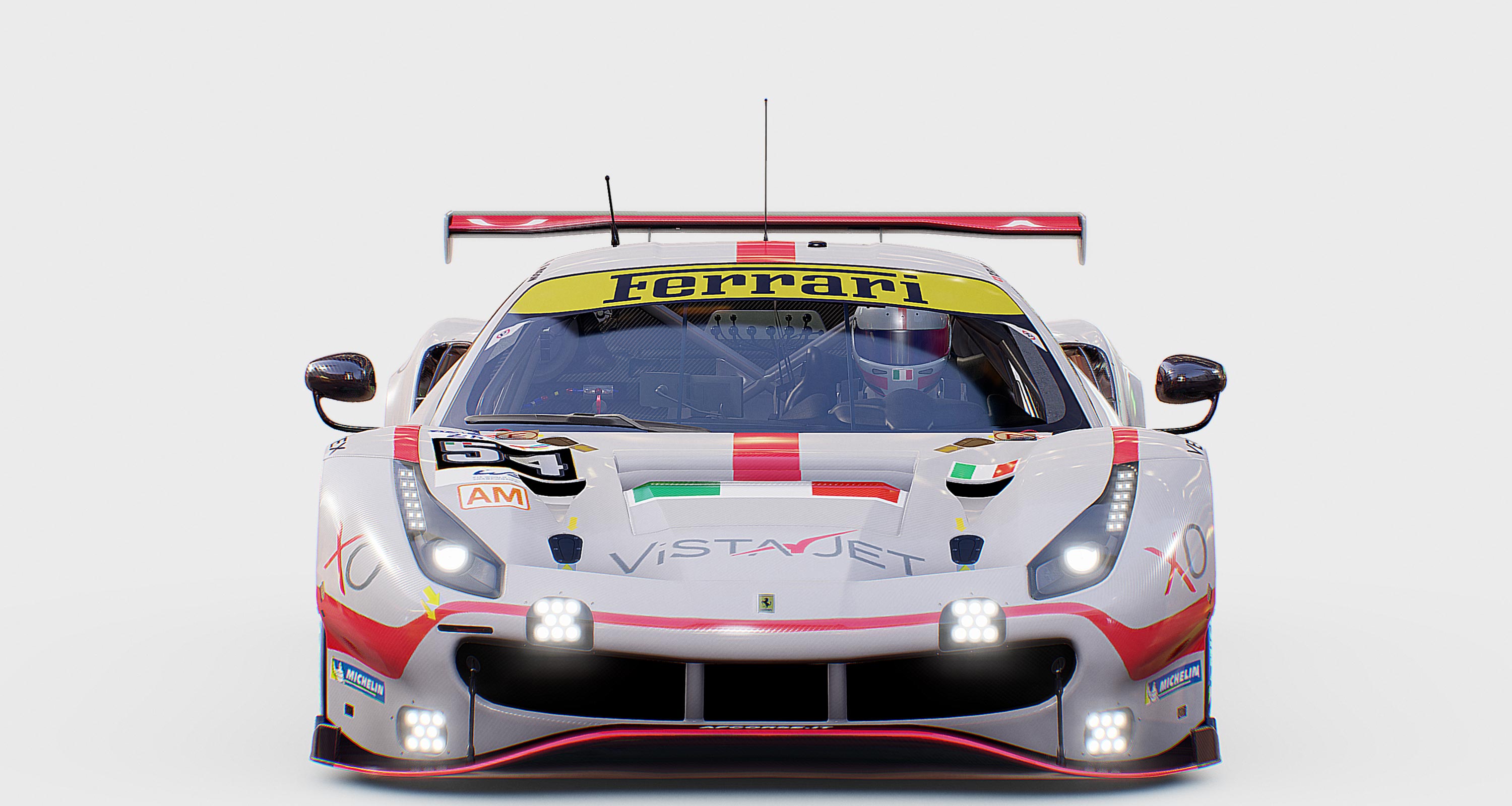
The 488 GT3 arrived as a response to reality. GT racing had moved on. Aerodynamics were smarter, balance-of-performance was unforgiving, and engines were expected to deliver consistency rather than theatre. Ferrari answered with a car that kept the brand’s emotional V8 heart but wrapped it in pragmatism. Twin turbos replaced natural aspiration, not for fashion but for torque control. Cooling was no longer an afterthought. Serviceability became a design goal.
And yet—this is important—it still had to feel like a Ferrari. That meant a front end that talks, a rear that warns before it bites, and a chassis that flatters without lying.
VistaJet’s involvement adds another layer to the story. This isn’t a random sticker pack. The private aviation brand’s ethos—global reach, uniform excellence, quiet confidence—maps uncannily well onto modern GT racing. The livery is elegant rather than loud, confident without aggression. In a pit lane full of visual noise, the VistaJet 488 looks composed, like a tailored suit among race overalls.
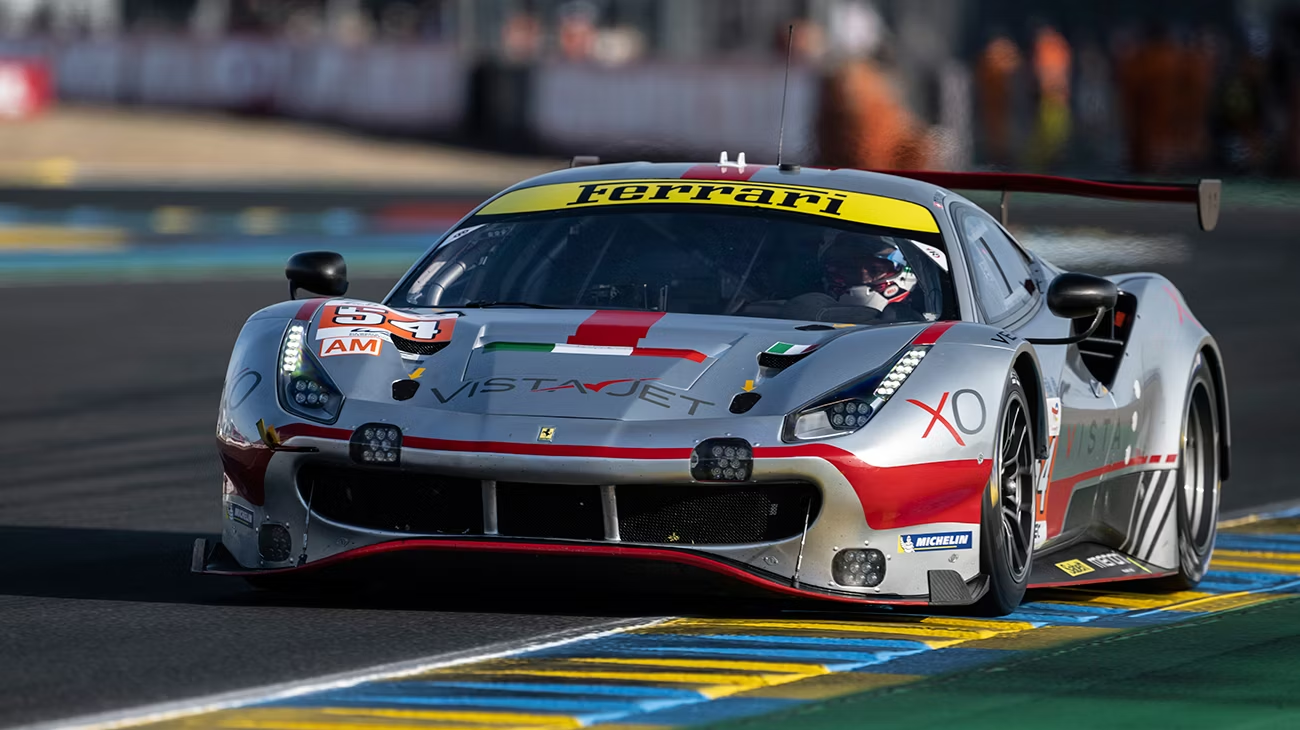
There’s a philosophical symmetry here. VistaJet sells time, reliability, and the promise that everything works exactly as planned. GT3 racing sells the same thing—except the plan is constantly under attack by weather, traffic, and physics. When those two worlds meet, the result is a car that feels less like a wildcard and more like a strategy.
Much of the VistaJet Ferrari narrative circles back to Thomas Flohr, a figure who confounds lazy stereotypes. Yes, he founded a global aviation company. Yes, he races Ferraris. But this isn’t a vanity project in carbon fibre. Flohr’s involvement has always leaned toward seriousness—long stints, endurance discipline, and respect for the machinery.
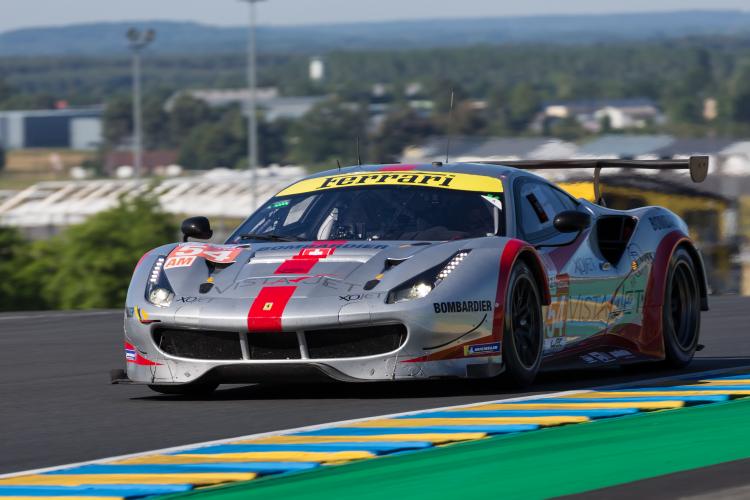
He’s known in the paddock not for drama but for preparation. The car reflects that. Setups favour stability. Tyre management is treated as a craft. The goal is to finish races at the same pace they started, which in endurance racing is a quietly radical ambition.
Strip away the glamour and the 488 GT3 reveals its real personality.
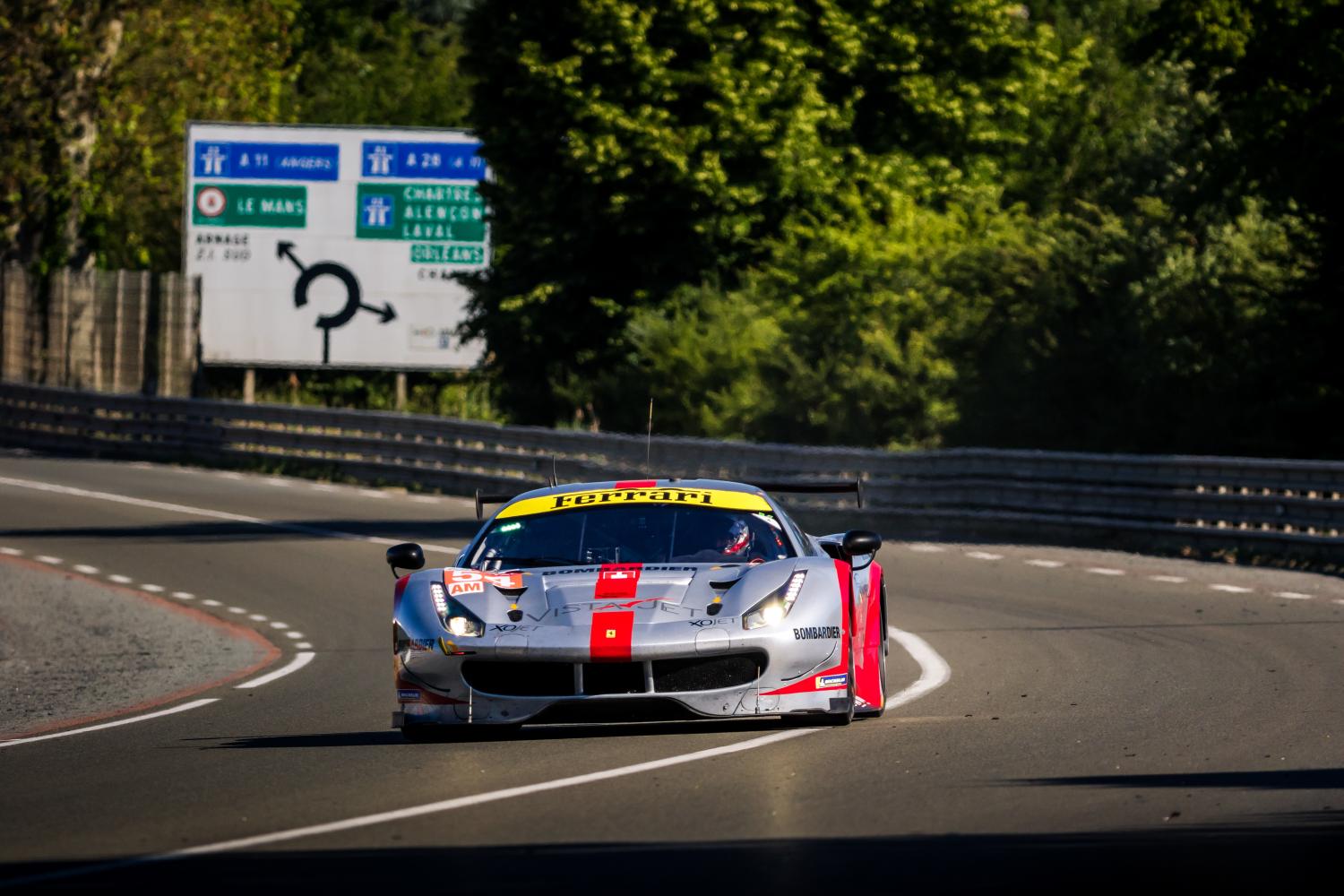
The chassis is brutally stiff, designed to accept aerodynamic load without deforming. The suspension geometry is conservative on paper but alive on track, giving drivers confidence to lean on the front end through long, loaded corners. The steering isn’t nervous—it’s articulate. You don’t drive it so much as converse with it.
The turbocharged V8 is the headline compromise that isn’t one. While purists mourned the loss of the scream, racers appreciated the torque curve. Power delivery is progressive, adjustable, and—crucially—repeatable. In traffic, that matters more than drama. On worn tyres at 3 a.m., it matters more than horsepower.
Cooling was redesigned almost obsessively. Brake temperatures remain stable deep into stints. Engine heat is managed rather than tolerated. This is a Ferrari that expects to be abused for hours and responds with stoic professionalism.
GT3 rules restrict active aero, which means everything must work all the time. The 488 GT3’s aero package is a masterclass in efficiency: clean airflow, predictable downforce, and minimal sensitivity to yaw. Drivers report that the car behaves the same in clean air and traffic—no small feat in endurance racing.
This predictability is what allows amateurs and pros to share the same cockpit. It’s what makes the car forgiving without being slow. And it’s why teams keep choosing it year after year.
Endurance racing isn’t about qualifying laps. It’s about passing GT4 cars without losing time, surviving rain without drama, and dealing with the psychological grind of night driving. Here, the VistaJet 488 shines.
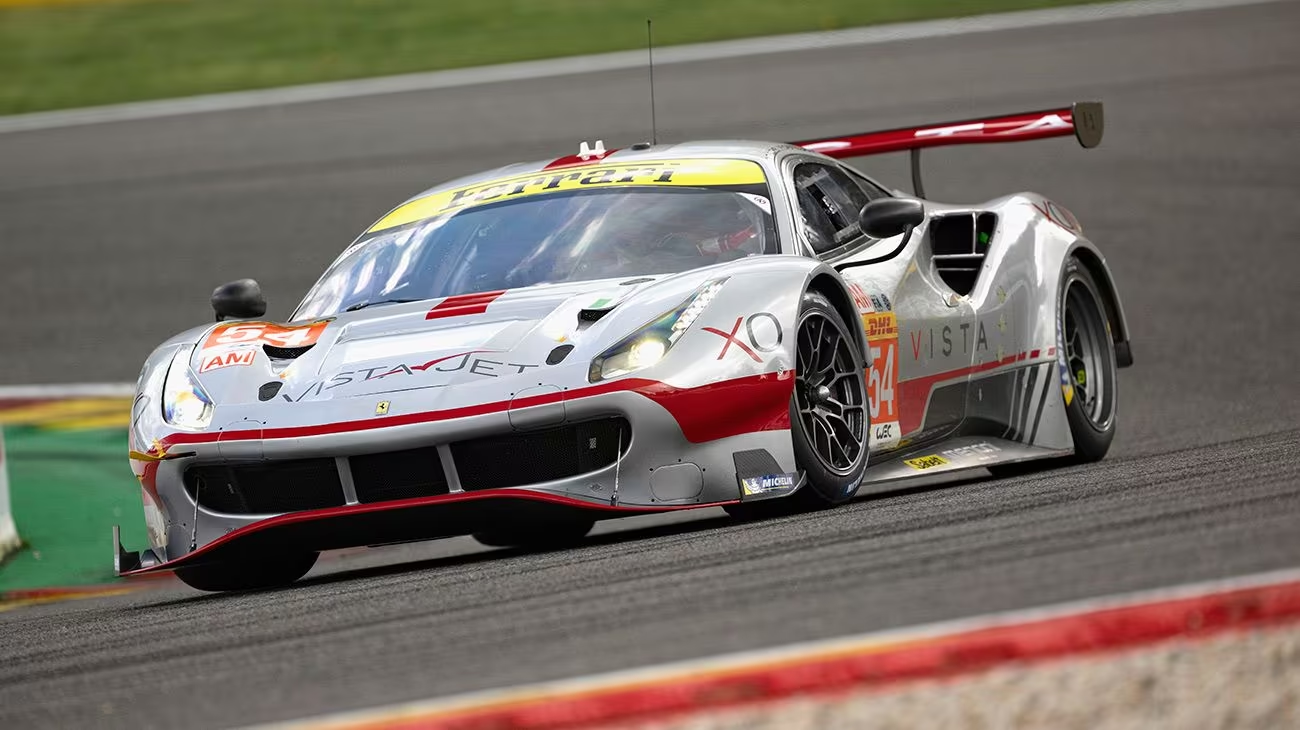
Visibility is excellent by GT standards. Controls are logically laid out. The cockpit feels like a workspace rather than a shrine. Drivers can focus on rhythm instead of wrestling quirks. That might sound unromantic, but romance doesn’t finish races—discipline does.
Yes, it’s quieter. Yes, turbos have changed the timbre. But listen closely in the night stint and you’ll hear something else: mechanical confidence. The exhaust note isn’t a scream—it’s a statement. A steady, purposeful declaration that the car is exactly where it should be, doing exactly what it was built to do.
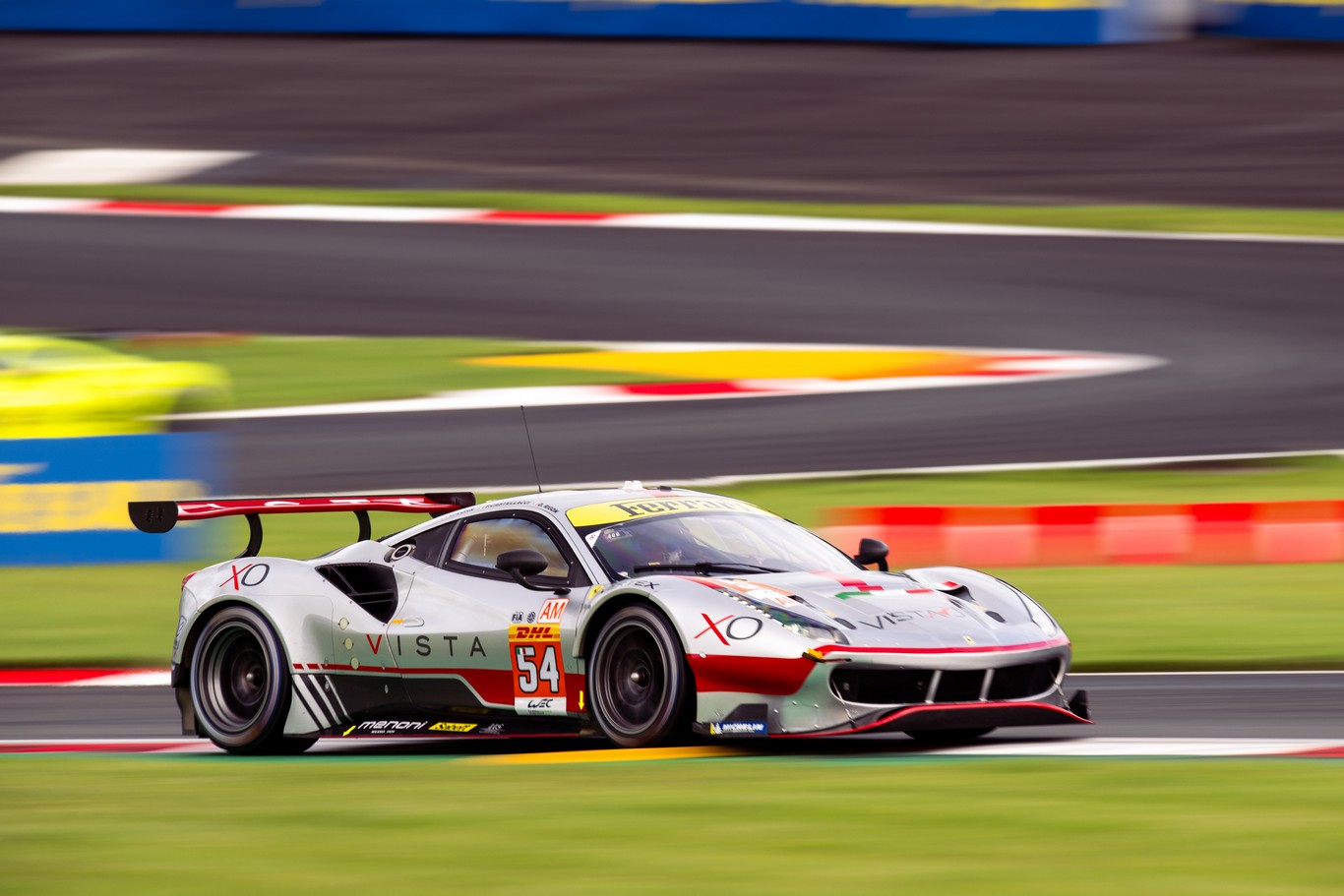
There’s a maturity to it. Less opera, more jazz. And once you accept that, it becomes addictive.
What makes the Ferrari 488 GT3 VistaJet programme compelling isn’t a single win or highlight reel moment. It’s the accumulation of correct decisions. Sensible setup choices. Drivers who respect tyres. Engineers who chase stability rather than headlines. Sponsors who understand that success in endurance racing often looks boring until it suddenly looks inevitable.
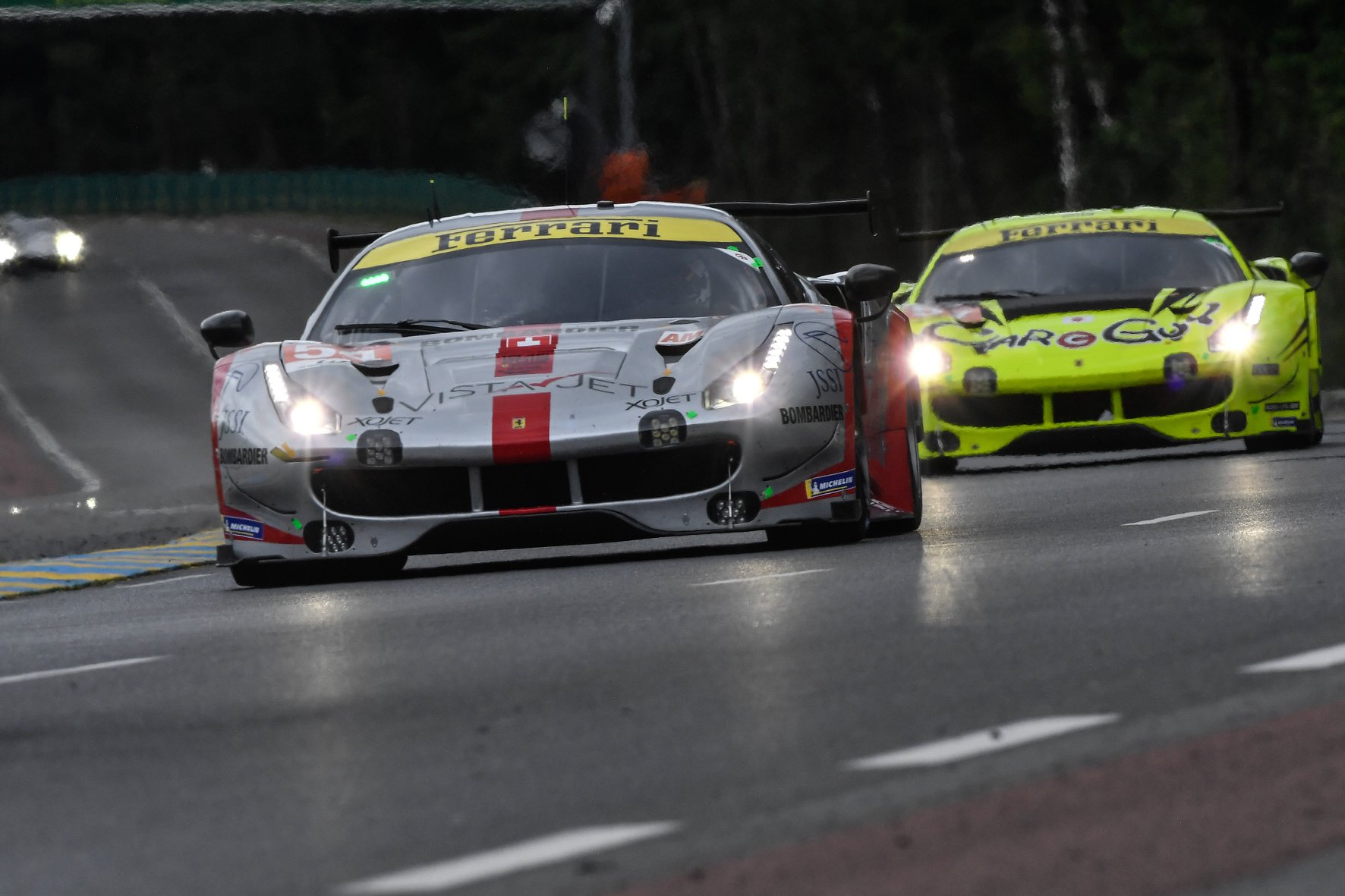
Car No. 54 embodies that philosophy. It doesn’t announce itself. It arrives, does the work, and leaves with results that make sense only if you were paying attention the whole time.
In a world where Ferrari’s road cars chase spectacle and social media moments, the 488 GT3 represents a different truth: that the brand’s competitive soul is healthiest when it’s focused, slightly restrained, and brutally competent. This is Ferrari reminding everyone that racing isn’t about nostalgia—it’s about adaptation.
.avif)
VistaJet’s involvement reinforces that idea. Precision over noise. Consistency over chaos. Performance that looks effortless because it was hard-earned.
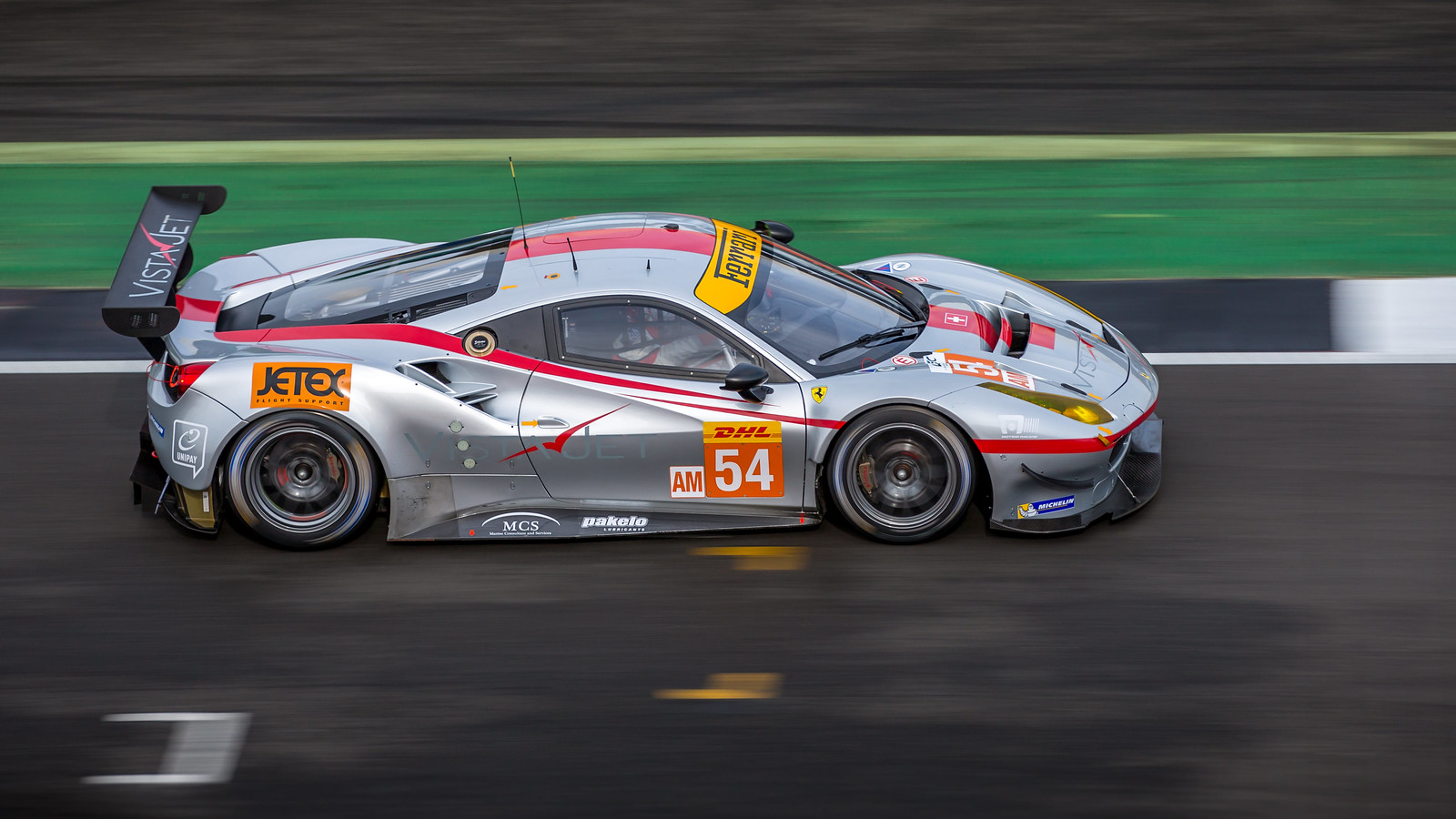
The Ferrari 488 GT3 VistaJet isn’t the loudest car in the paddock, nor the most theatrical. But when the lights fade and the race stretches into hours instead of minutes, it becomes something rarer: a Ferrari that earns trust.

And in endurance racing, trust is faster than bravery.
-


