A legendary race car born from rivalry, designed to defeat Ferrari at Le Mans.
There are racing cars… and then there are vendettas on wheels. The Ford GT40 didn’t begin as a dream—it began as a grudge. A very expensive, very public, and ultimately very successful grudge against Ferrari.

In the early 1960s, Henry Ford II tried to buy Ferrari. Enzo Ferrari famously walked away from the deal at the last moment, leaving Ford humiliated. What followed wasn’t corporate disappointment—it was war. The mission was simple: beat Ferrari at the 24 Hours of Le Mans. Not compete. Beat.

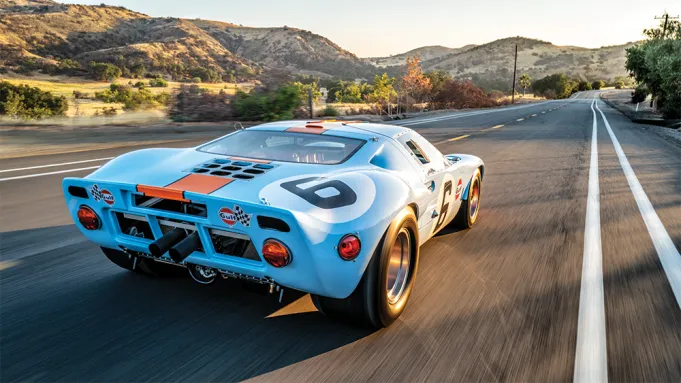
To do that, Ford didn’t just build a car—they built a weapon. The GT40 was developed in collaboration with British engineering minds, including Eric Broadley, whose Lola Mk6 provided early DNA. The result was a brutally low, mid-engine machine—just 40 inches tall, hence the name.
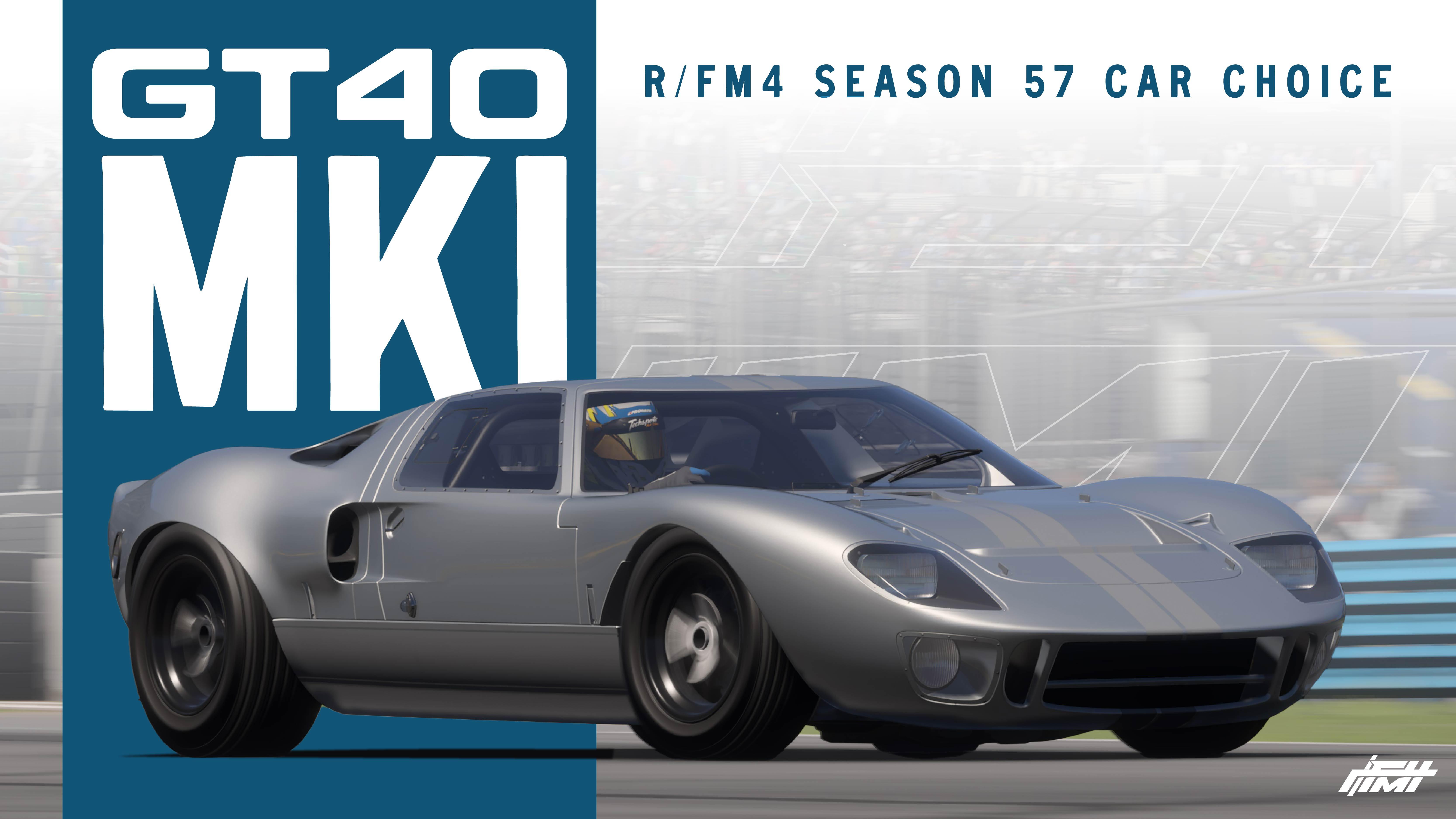
The early 1964 GT40s weren’t perfect. Far from it. They were fast, yes, powered initially by a 4.2-liter V8 producing around 380 horsepower, but reliability? Questionable. Handling? Let’s call it… character-building. At Le Mans, they showed promise but failed to finish. Ferrari, for the moment, still ruled.
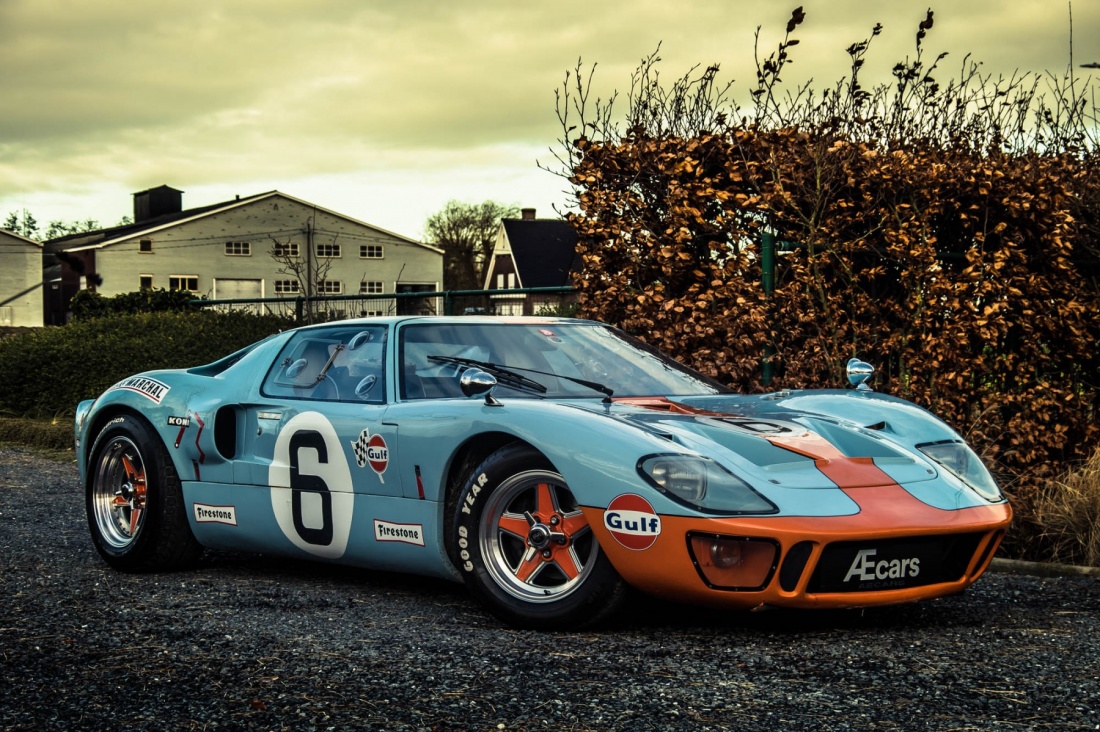
But here’s the thing about the GT40: it wasn’t built to succeed immediately. It was built to evolve. Ford poured resources into development like few had ever done before. By the time Carroll Shelby got involved, the car began transforming from a rough concept into a dominant force.
And then came the payoff.

By 1966, the GT40 didn’t just win Le Mans—it annihilated the competition, taking a historic 1-2-3 finish. Drivers like Bruce McLaren and Chris Amon etched their names into history, while Ferrari was left watching.
But the 1964 car—the original—deserves its own kind of respect. It’s the raw, unrefined beginning. The moment the idea was born. The version that dared to challenge the establishment before it knew how to win.
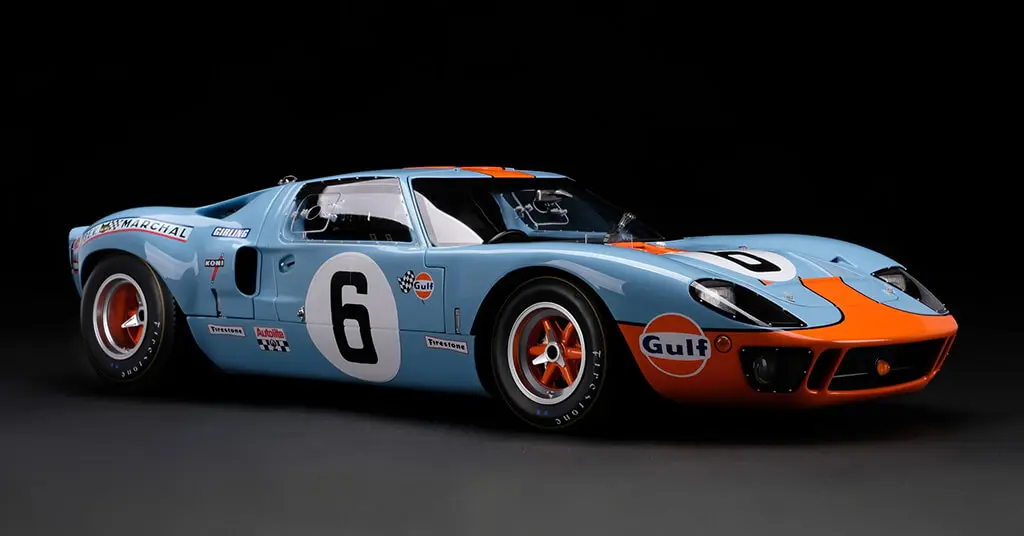
Visually, it’s still breathtaking. Wide, low, purposeful. No unnecessary drama—just pure aerodynamic intent. Sit inside, and you’re practically lying down. Visibility is questionable. Comfort is nonexistent. But that’s not the point.
Driving it would feel alive in the most primal way. No electronic aids. No forgiveness. Just a V8 behind your head, a manual gearbox, and the constant sense that you’re part of something bigger than just speed—you’re part of a mission.
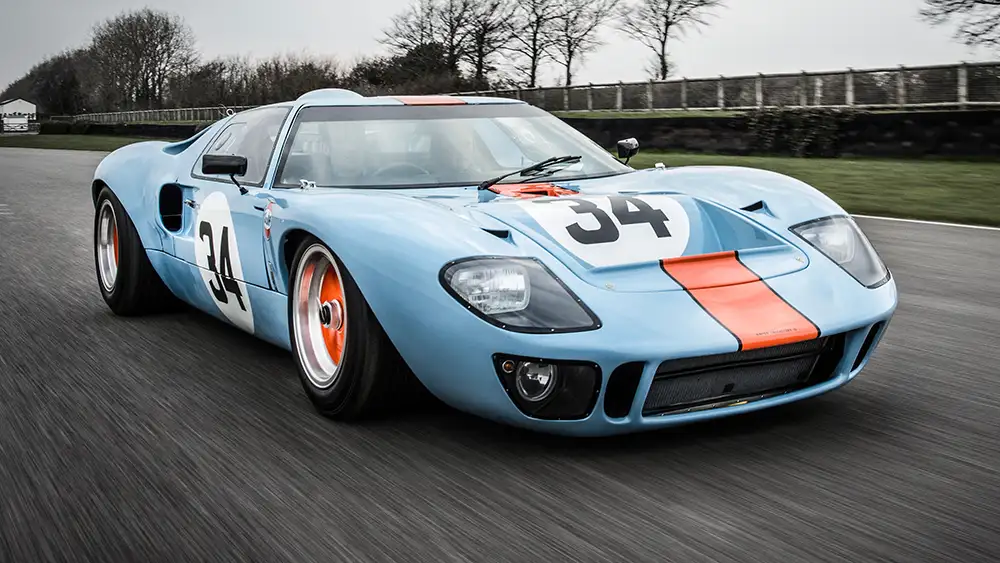
Today, the GT40 isn’t just a car. It’s a symbol. Of determination. Of industrial might meeting racing passion. Of what happens when pride gets involved and refuses to back down.
Because in the end, the GT40 didn’t just win races.
It settled a score.


