Conceived with uncompromising technical clarity and entrusted to extraordinary crews, the Ford RS200 embodies Group B’s highest ambitions and honours the courage of those whose commitment still shapes rallying.
Before the forest opened, there was only the sound: a hard-edged Cosworth four-cylinder gathering boost beneath the trees, gravel striking composite bodywork, and two people committing themselves absolutely to the road ahead. In 1986, that commitment defined Group B. Few machines expressed it more completely than Ford’s RS200.
Ford had abandoned the rear-wheel-drive Escort RS 1700T and begun again with a clean sheet. Engineer John Wheeler and former Formula One designer Tony Southgate created a purpose-built competition structure carrying an 1,803 cc, twin-cam, 16-valve Cosworth BDT engine behind the cockpit. Ghia shaped the composite body; Reliant assembled the cars. The objective was not theatre, but control under the most demanding conditions rallying could present.
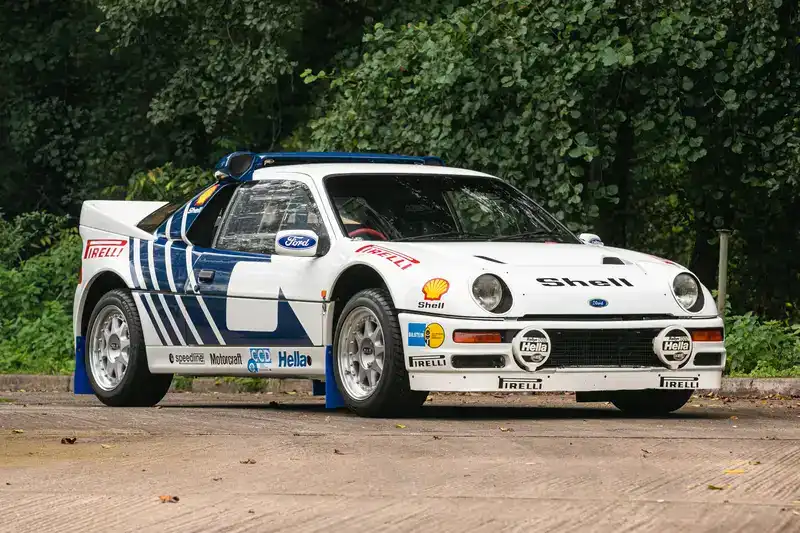
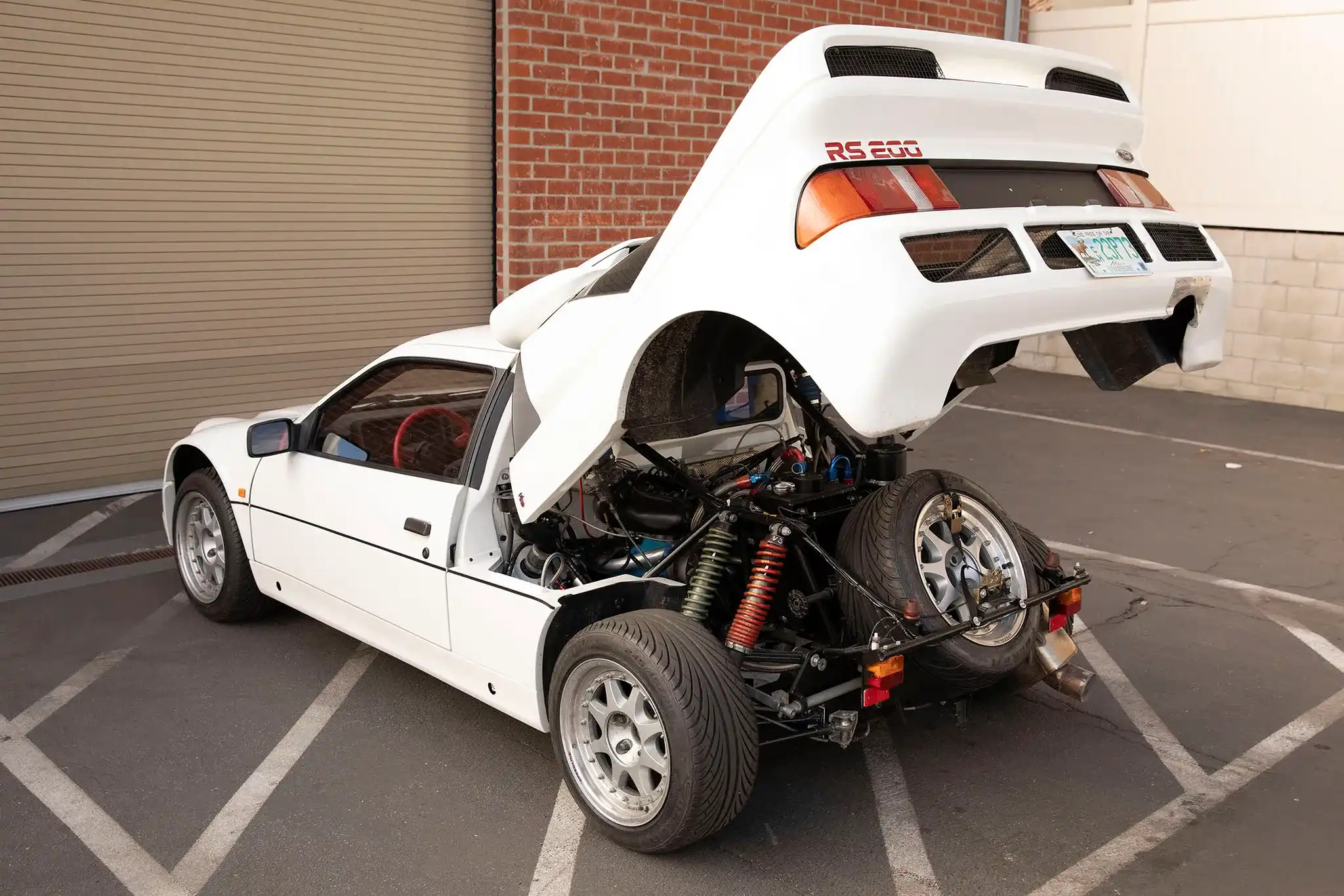
The engineering was unusually deliberate. A five-speed gearbox sat towards the front, connected to the mid-mounted engine by a propshaft, with Ferguson four-wheel drive distributing power through three differentials. Moving transmission mass forward helped balance the car across both axles. Double-wishbone suspension and twin dampers at each corner gave the wheels the travel and composure needed for broken ground, snow and blind crests.
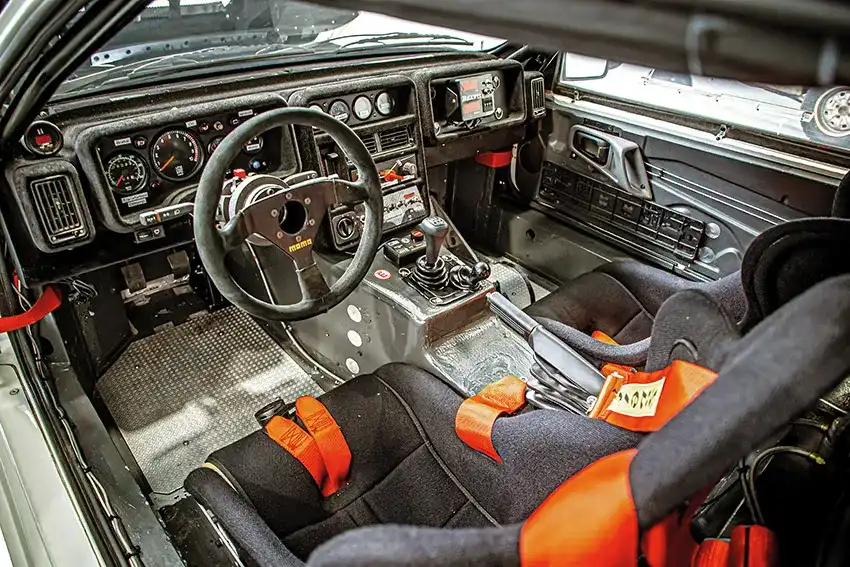
Road-going examples developed 250 hp at 6,500 rpm. In 1986 competition trim, output exceeded 420 hp. Later Evolution cars enlarged the engine to approximately 2.1 litres and, depending on specification, surpassed 600 hp. Yet the RS200’s defining achievement was not its power: it was the distance its engineers were prepared to send that power through the chassis simply to place the weight where its drivers needed it.
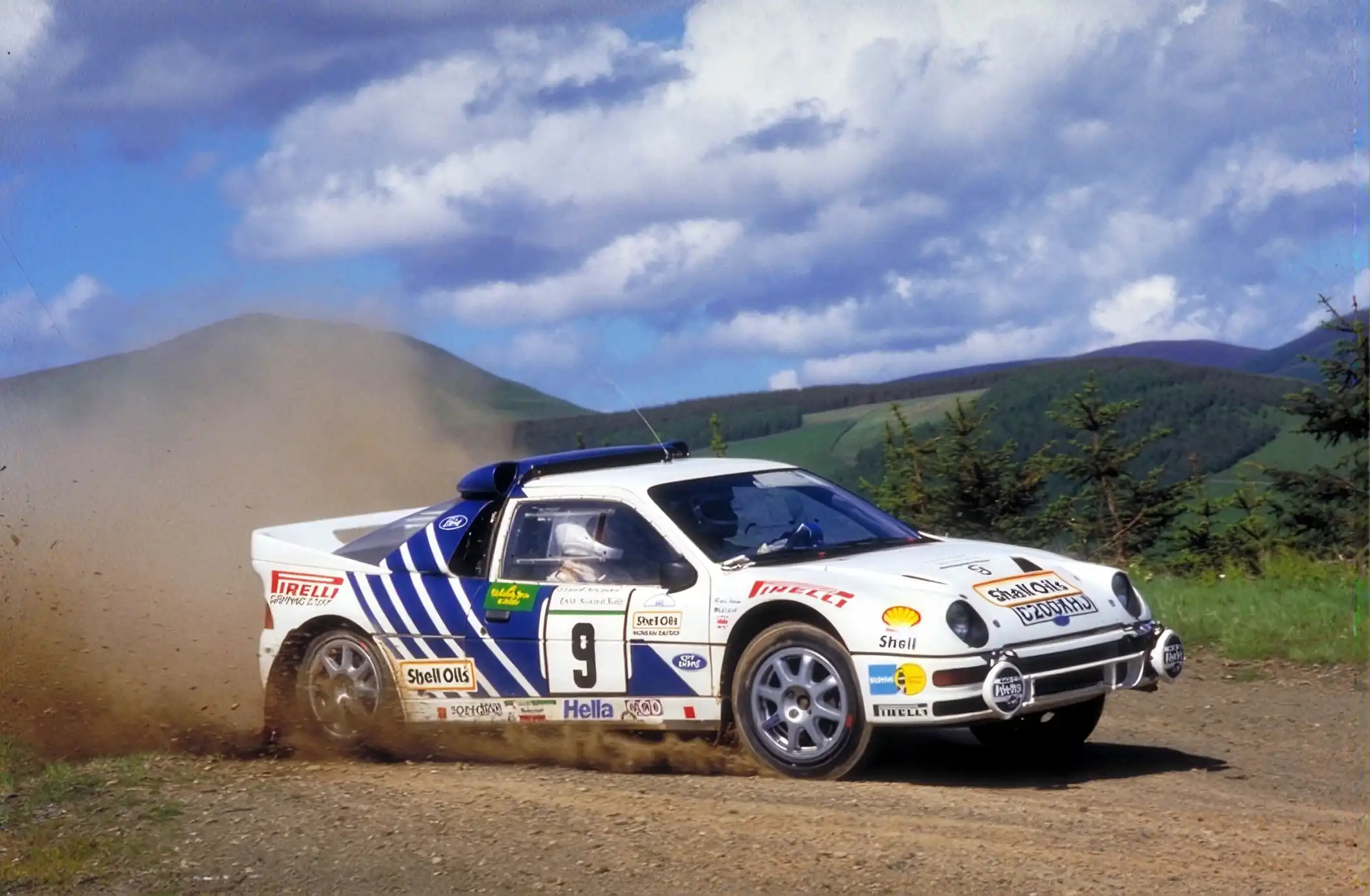
At the Swedish Rally in 1986, Kalle Grundel and co-driver Benny Melander carried the RS200 to third overall, its finest World Rally Championship result. It was proof of genuine promise, delivered on a surface demanding extraordinary precision. Stig Blomqvist also brought the authority of a world champion to Ford’s campaign. The car had the foundations of a contender; history allowed it little time to become one.
In Portugal that March, Joaquim Santos encountered crowds gathered dangerously close to the stage. His RS200 left the road, and three spectators lost their lives. The leading crews withdrew together, an act of solidarity and respect rather than surrender. Two months later in Corsica, Henri Toivonen and co-driver Sergio Cresto were killed in a Lancia Delta S4. Group B would end after the 1986 season.
The RS200 arrived at the summit of rallying just as the mountain fell silent.
What remains is not simply a rare Ford, nor a record of power and speed. It is a tribute to the engineers who pursued better answers, the mechanics who worked through the night, and the crews who placed immense trust in one another. Above all, it honours those who never came home. Their courage did not diminish the sport they loved; it gave future generations a solemn duty to carry its spirit forward with greater care.

