The Maserati MC20 GT2 is Maserati’s GT2-class customer race car, built in Modena on the MC20 carbon-fibre platform and powered by a BoP-regulated Nettuno twin-turbo V6.
The Maserati MC20 GT2 exists because somebody in Modena looked at the perfectly civilized MC20 and decided it was still behaving a bit too much like an adult.

So they took the carbon-fibre monocoque, kept the thunderous 3.0-litre twin-turbo Nettuno V6, wrapped it in full composite race bodywork, bolted in a proper FIA roll-cage, added air jacks, a 120-litre FT3 tank and a sequential six-speed gearbox, then sent it back into the world with the social manners of a switchblade. Officially,

it is a non-road-homologated GT2-class race car based on the MC20, developed in Modena as Maserati’s return to closed-wheel GT competition.
This matters because Maserati did not wander into GT racing by accident. The shadow hanging over this car is the MC12, that glorious slab of excess which helped write one of the company’s great modern competition chapters.
So when Maserati sent the GT2 to Varano de’ Melegari for its first shakedown in March 2023, with Andrea Bertolini involved in development, it was not merely launching another customer racer. It was reopening a family vault full of noise, trophies and old swagger.

Under the rear deck sits the jewel of the thing: a water-cooled 90-degree twin-turbo V6 of 2,992 cc, using Maserati Twin Combustion tech derived from the Nettuno road-car engine. Officially,
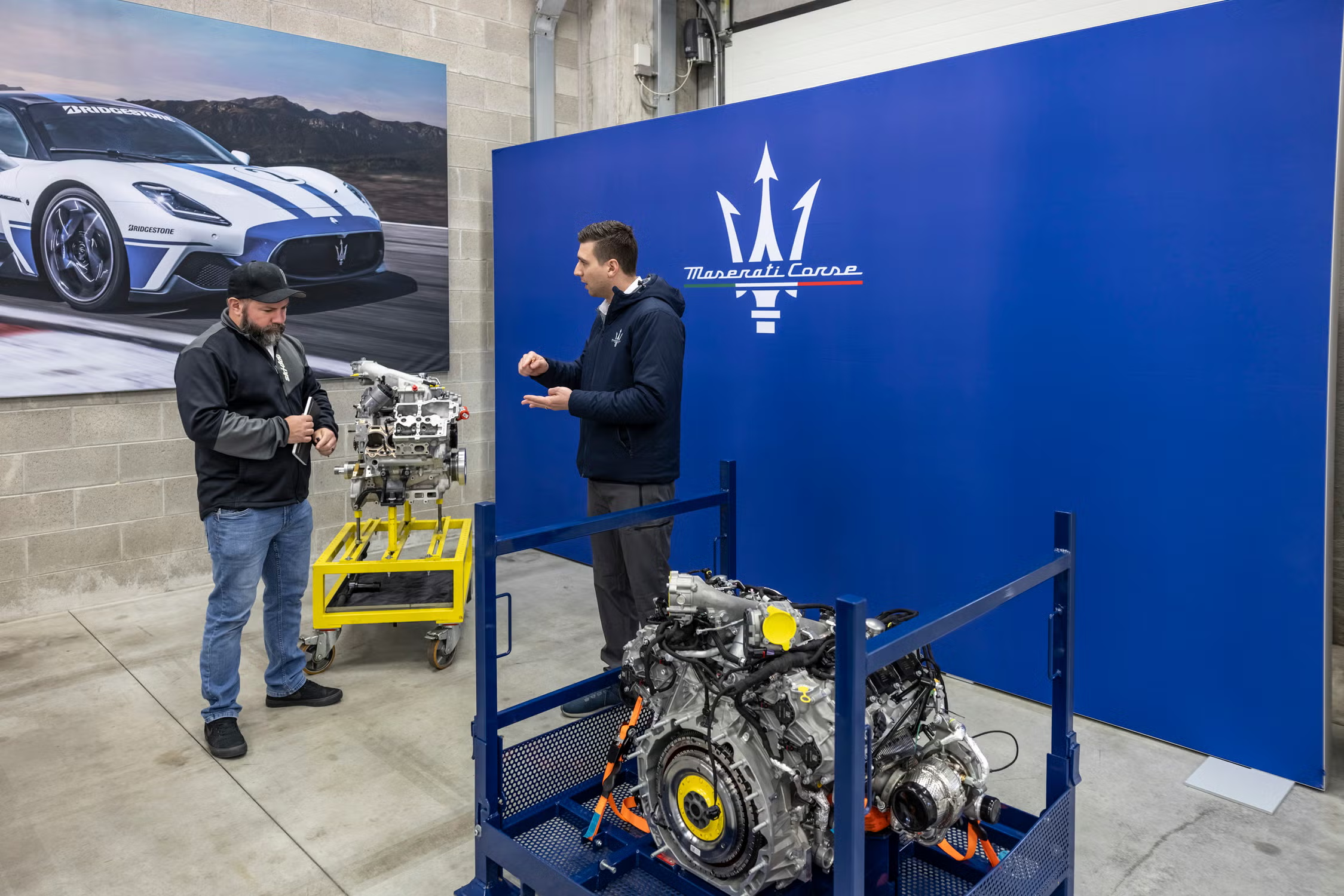
power is Balance-of-Performance dependent, with the base engine rated at 463 kW, or about 621 hp. That is paired with a six-speed sequential racing transmission, rear-wheel drive, racing ABS, traction control, and all the serious-minded hardware that turns horsepower into lap time rather than smoke and tears.
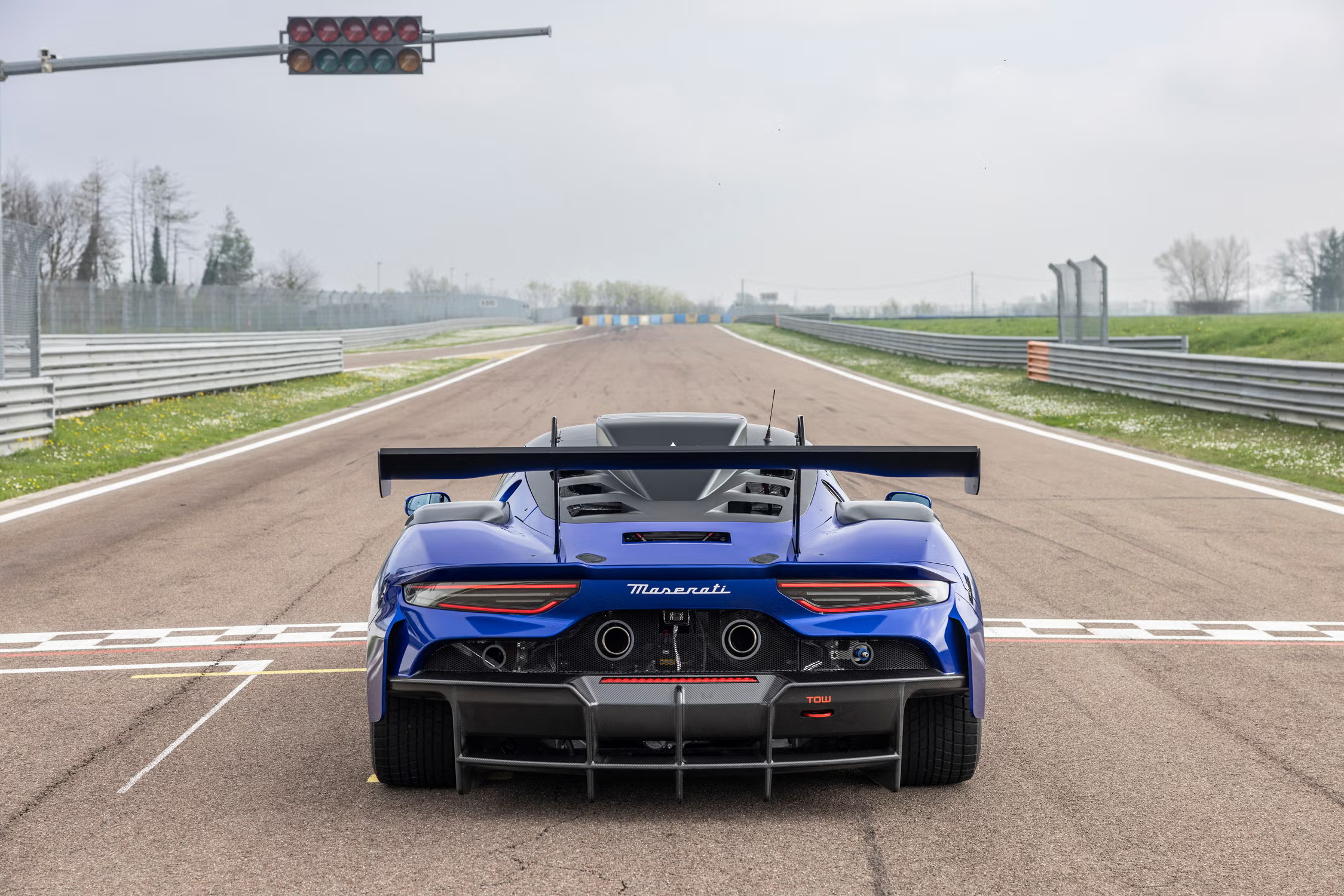
Then there is the shape. At 4,838 mm long, 2,029 mm wide and with a 2,700 mm wheelbase, the GT2 is longer and visually angrier than the road car in all the right ways. Maserati says the bodywork was designed for fast component replacement as well as aero efficiency, which is race-engineer language for quick pit-lane repairs. Dry weight is officially dependent on BoP,
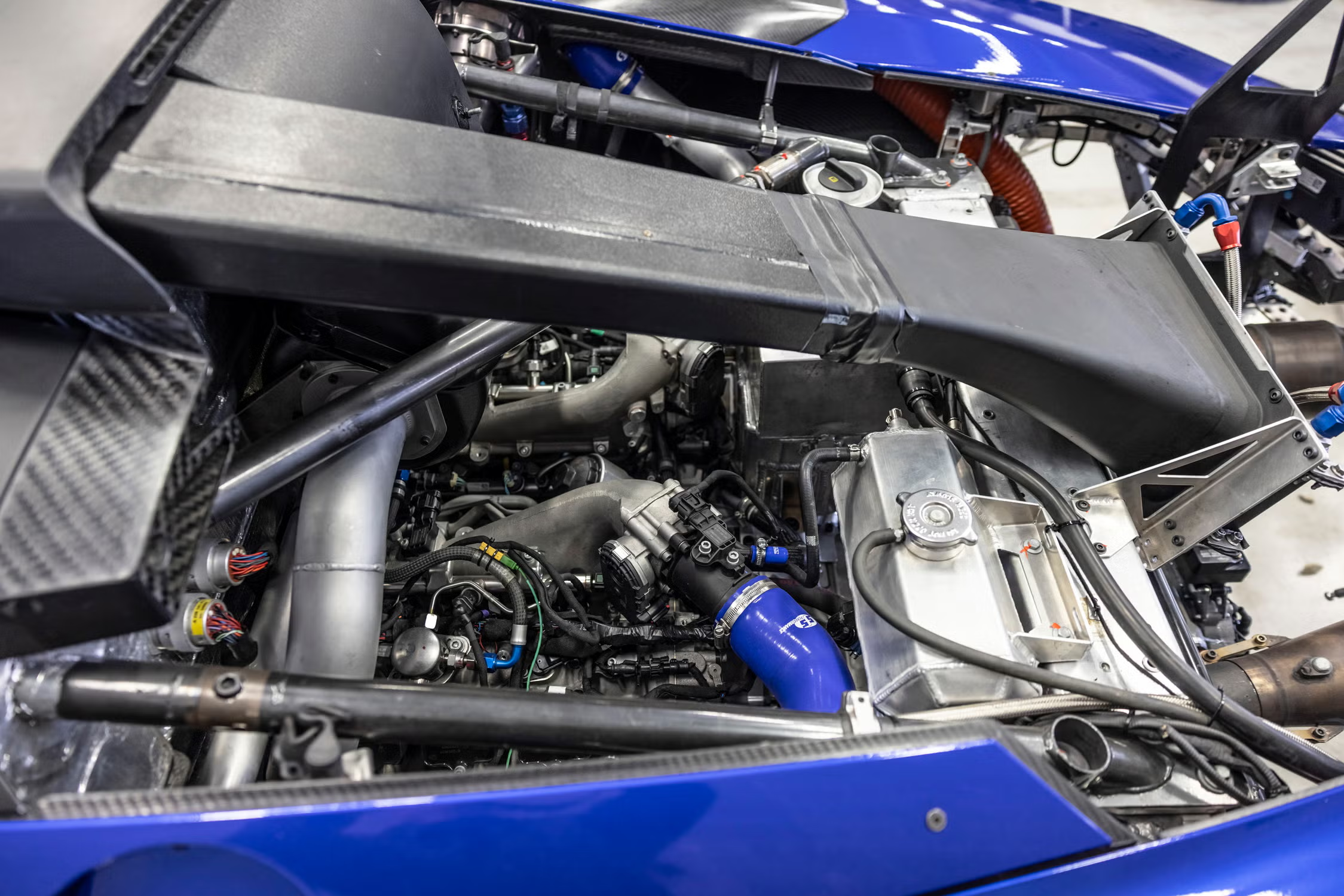
but the point is not one heroic brochure number. The point is structure, stiffness, balance, cooling and aerodynamic seriousness.
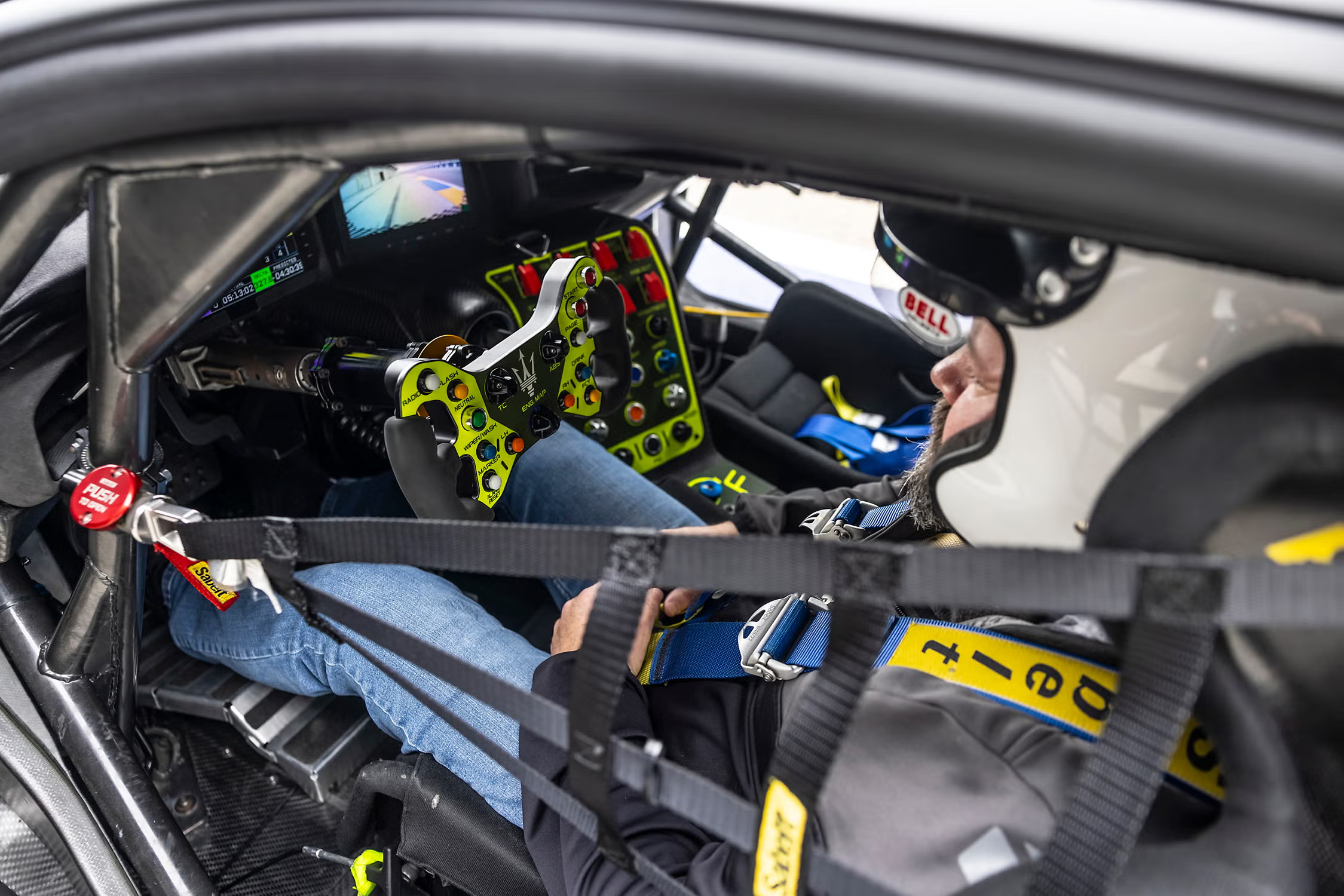
And unlike many glamorous track toys that spend their careers polishing hospitality suites, this one got on with the business.
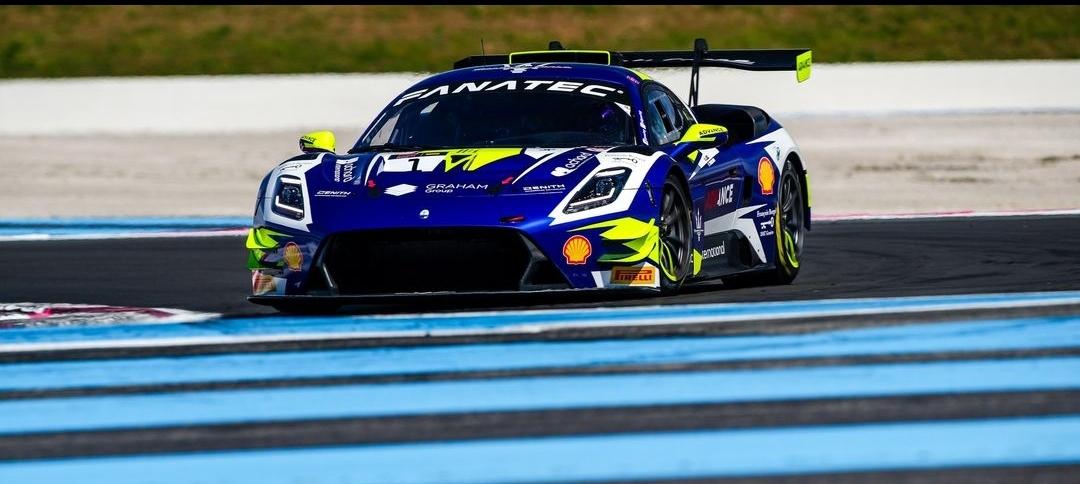
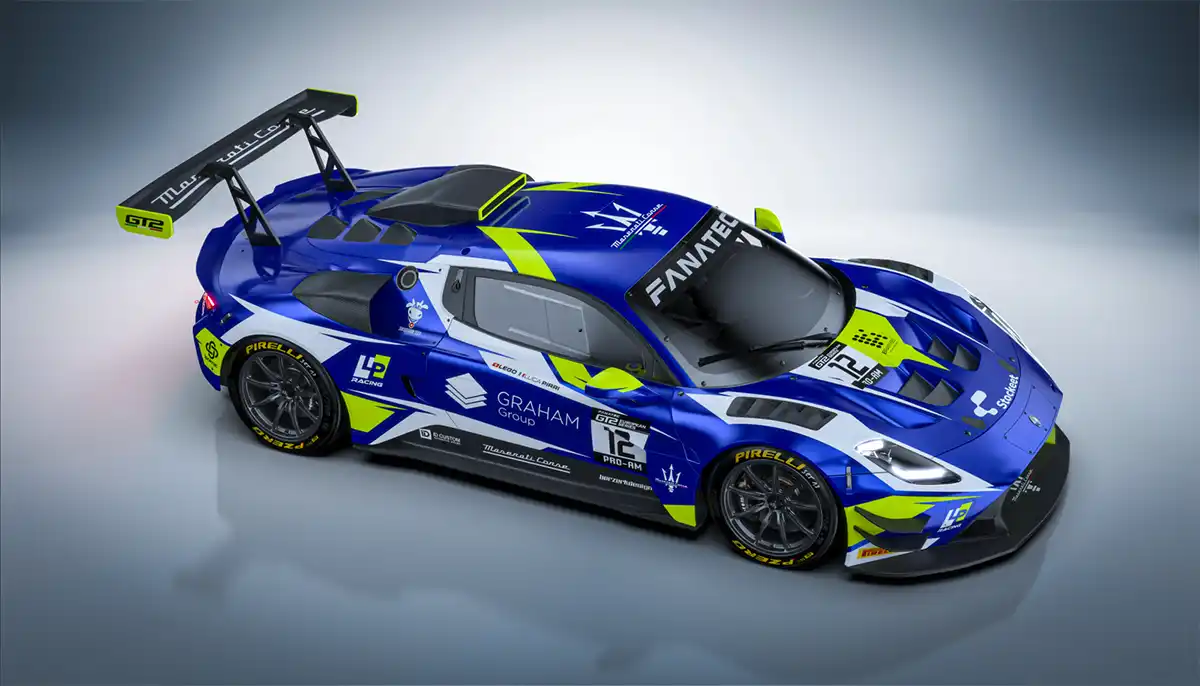
The GT2 made its race debut in the closing stages of the 2023 Fanatec GT2 European Series,
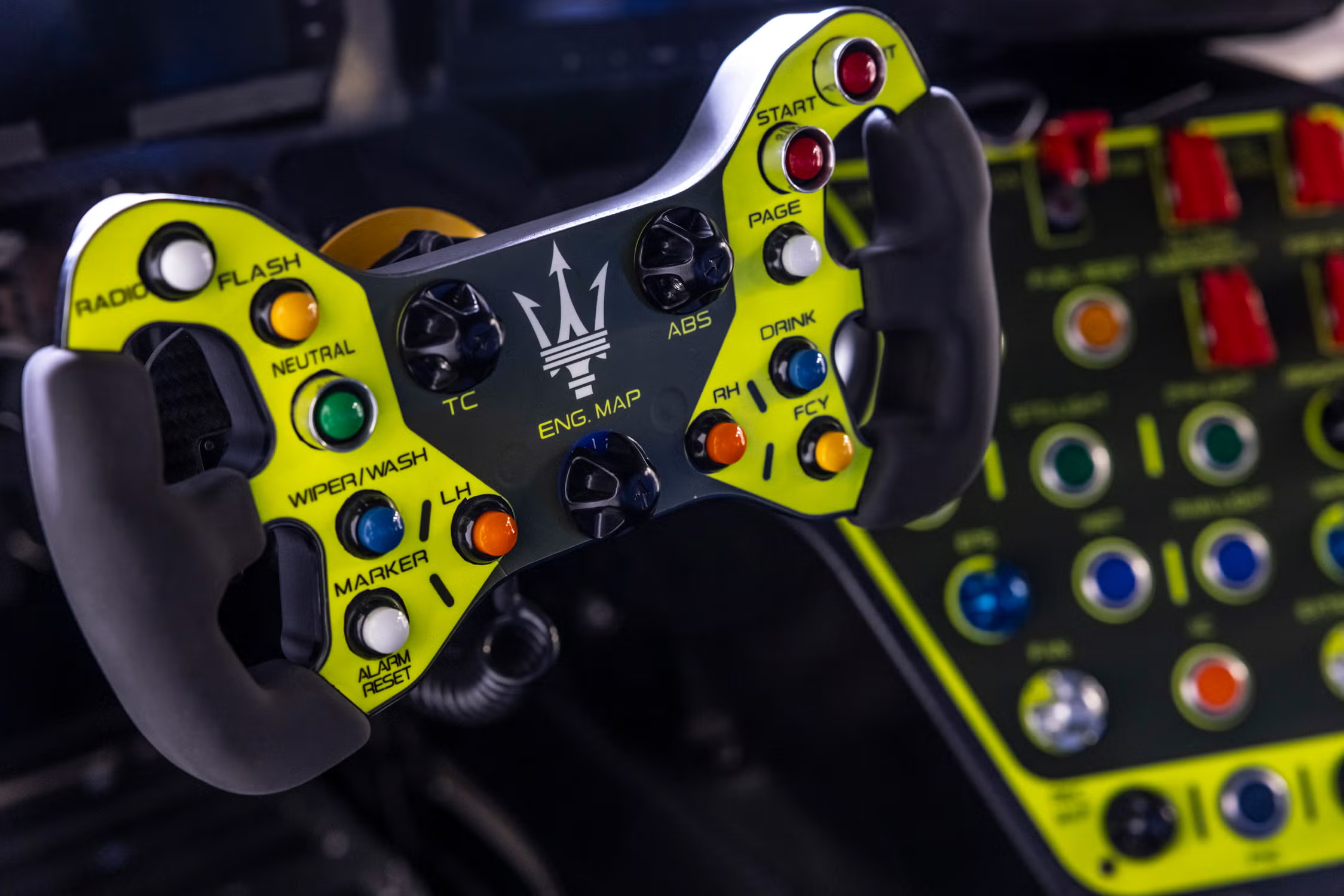
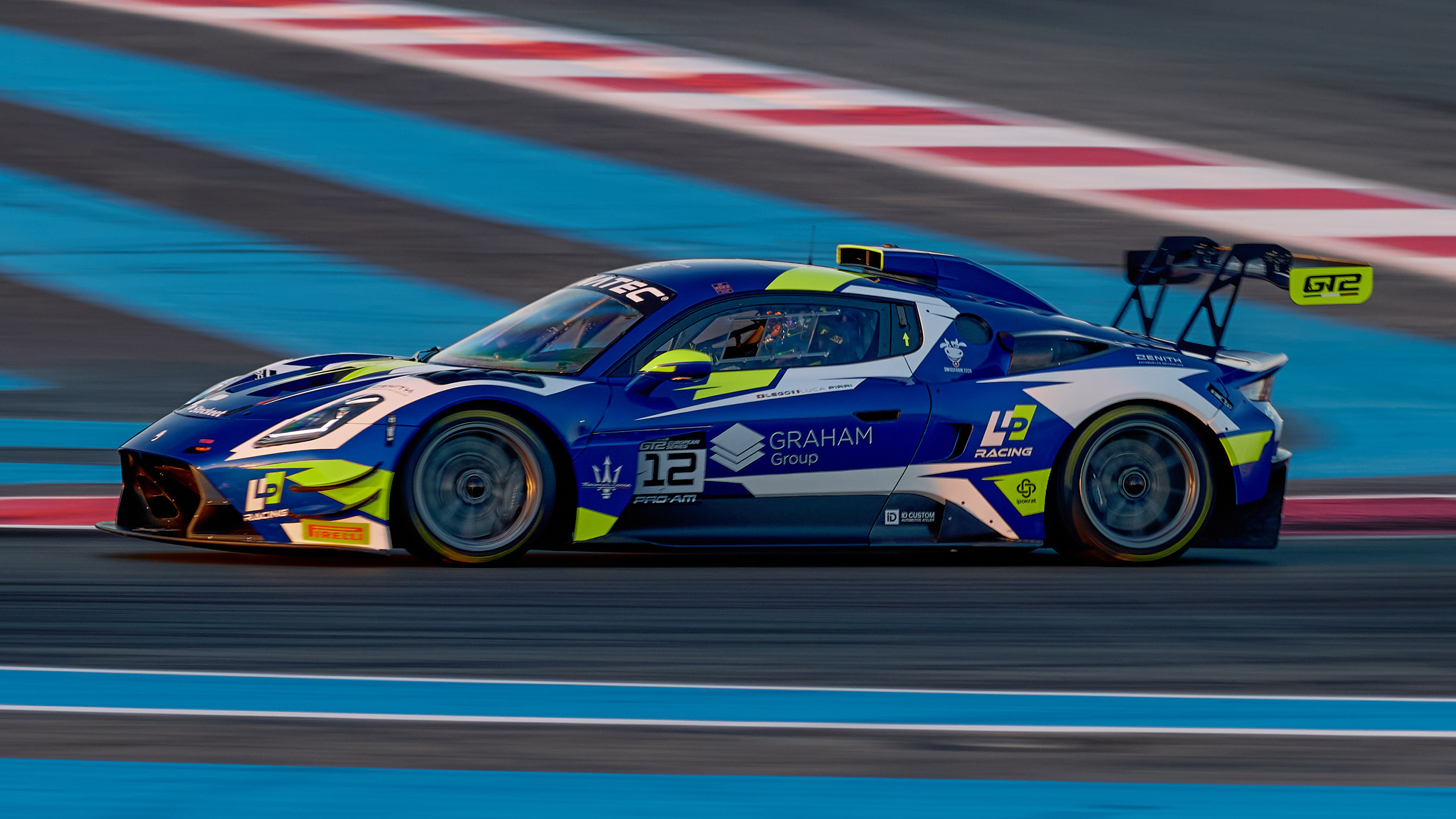
then in 2024 scored a first historic victory at Paul Ricard with Leonardo Gorini and Carlo Tamburini. By season’s end, Maserati had taken the GT2 European Series Am drivers’ and teams’ titles with Philippe Prette and LP Racing, while the marque recorded 16 pole positions and 12 victories across the year.
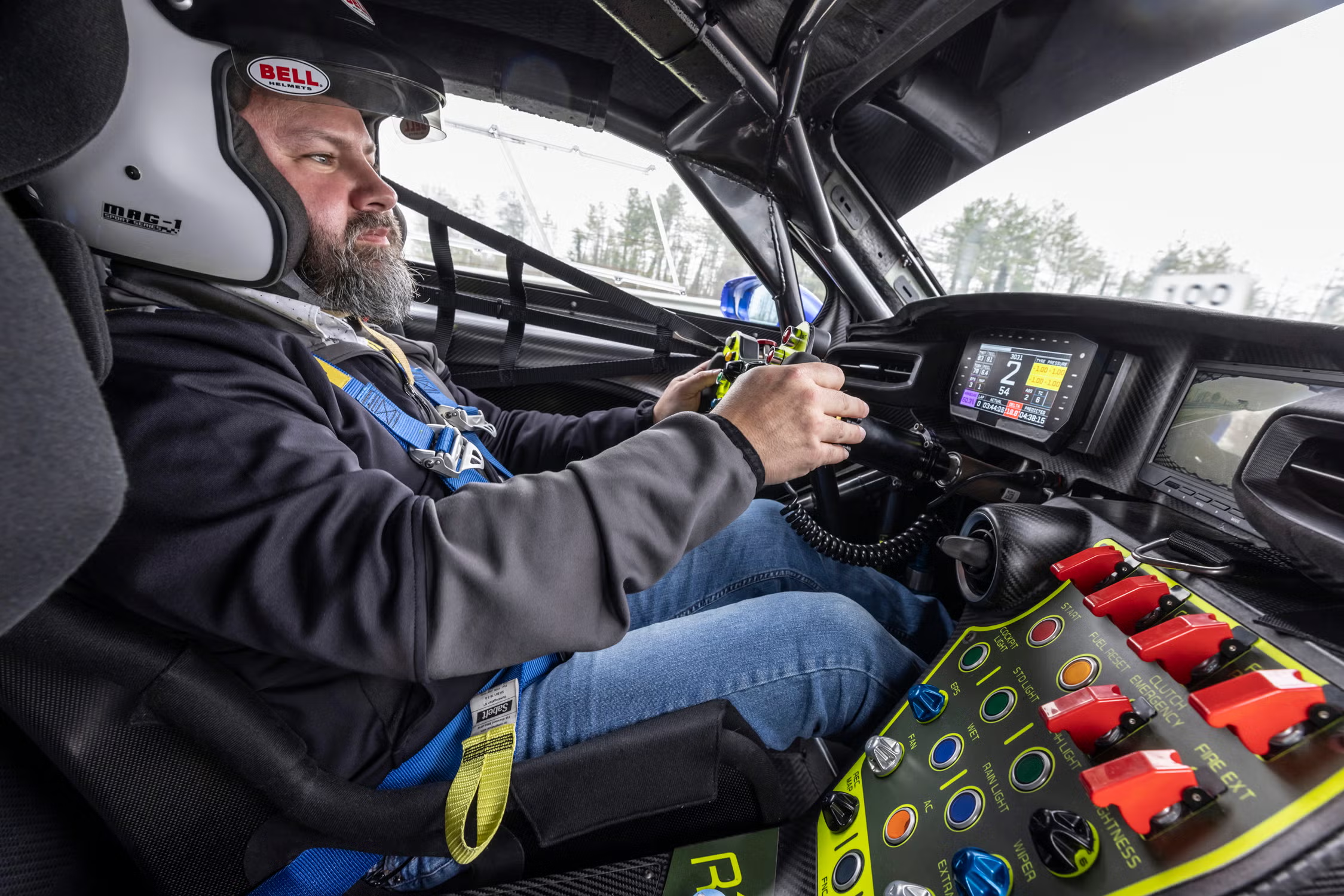
What makes the MC20 GT2 especially interesting now is that it sits at a clever junction in Maserati history.
The road-going MC20 reintroduced the brand as a modern mid-engined supercar maker; the GT2 turned that platform into proof that the engineering was not theatre.
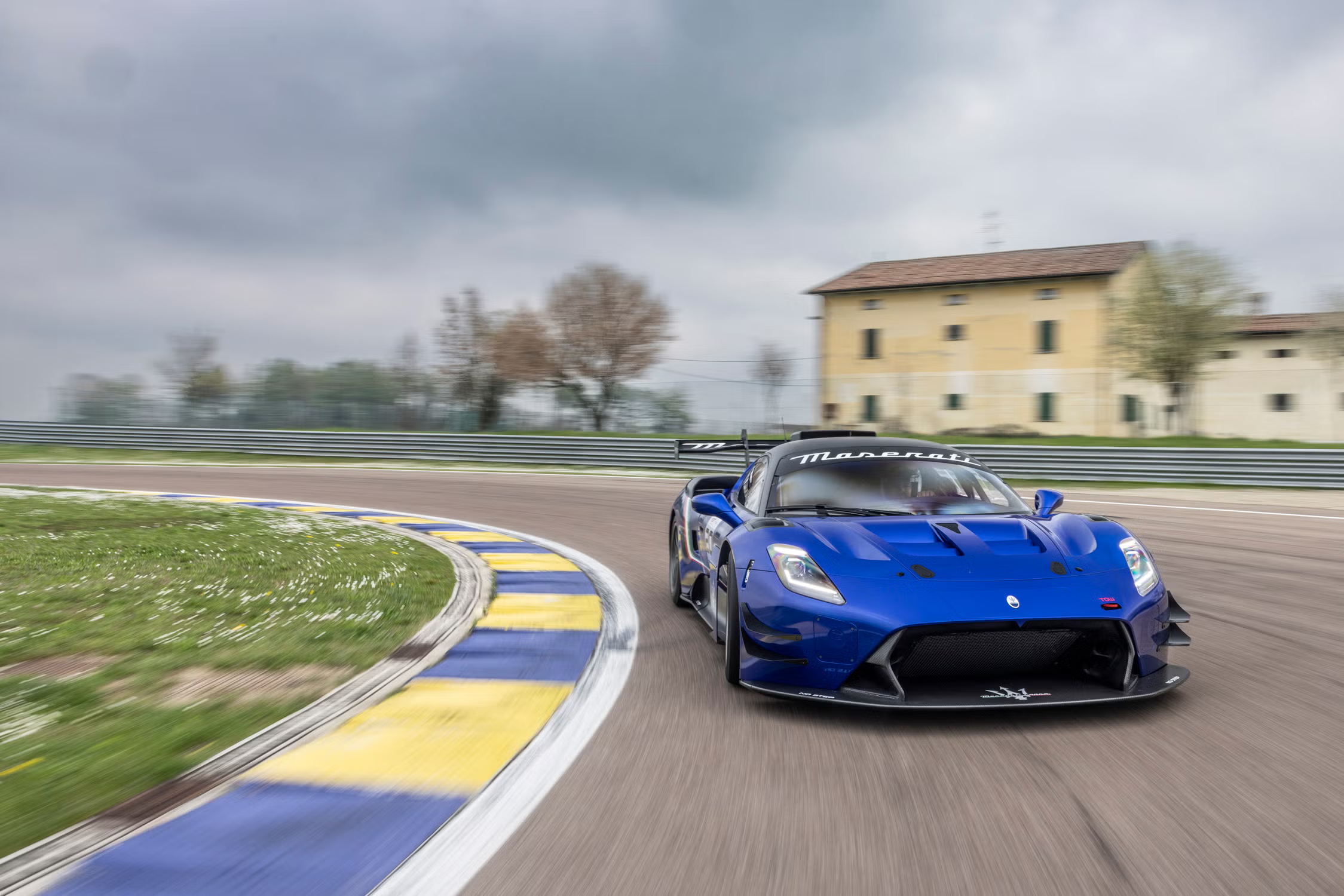
It is also what helped create the GT2 Stradale later on, that road-legal cousin which borrowed the race car’s attitude and some of its technical transfer.
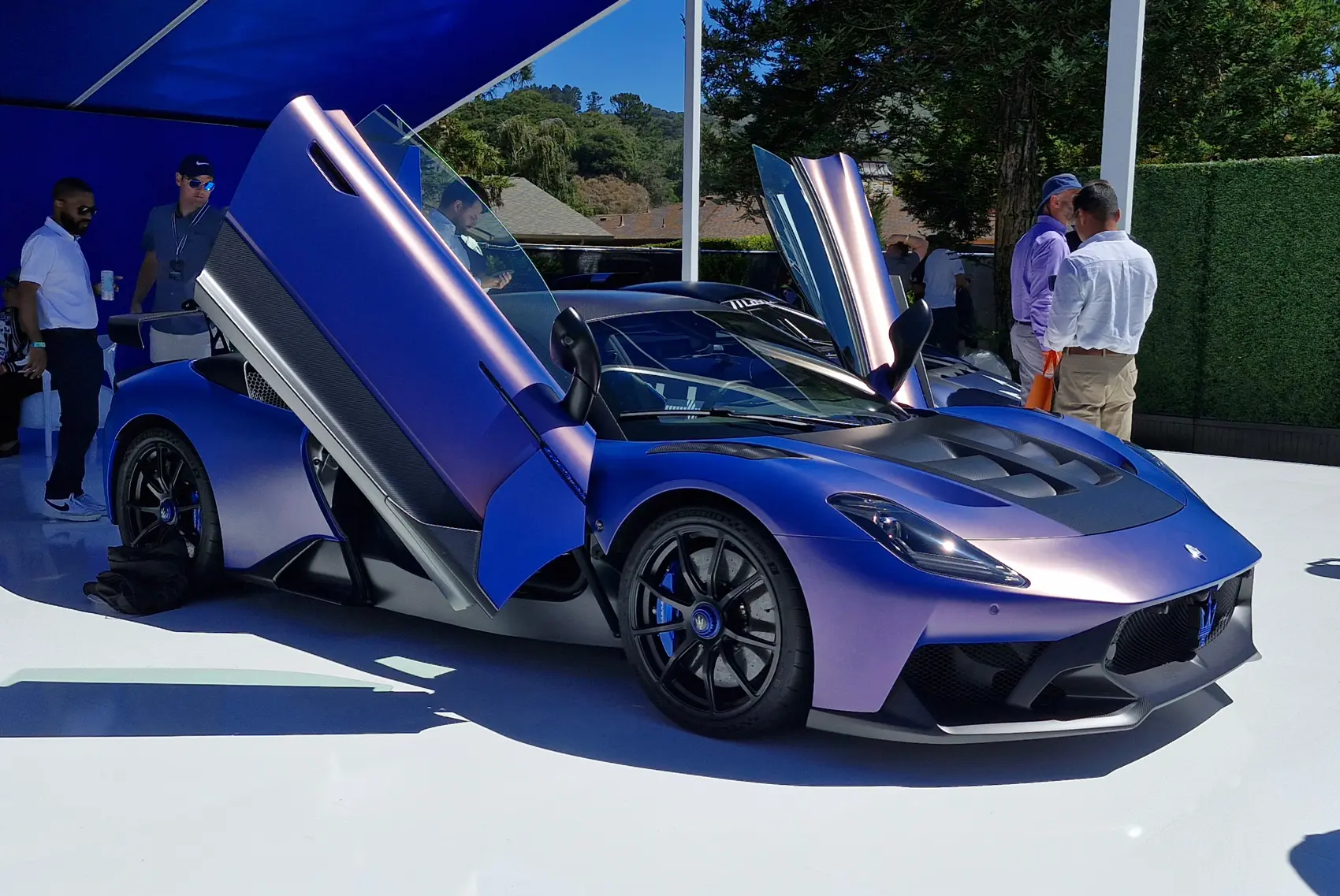
As a collectible, it carries Maserati’s return-to-GT-racing significance, a genuine factory competition programme, the Nettuno engine, and early competition success. The MC20 GT2 is the machine that reminded Maserati how to snarl again, and did so without sacrificing the elegance that makes Italian racing cars feel less like tools and more like arguments delivered at full song.
Enzo Ferrari
Italian racing driver, entrepreneur and founder of Ferrari


