Revered in hushed tones by collectors, feared by anyone who values comfort, and remembered as the moment Lamborghini chose raw physics over reason, this carbon-fibre apparition remains less a vehicle and more a warning—of what happens when passion is allowed to run faster than restraint.
There are cars that exist to make sense. And then there are cars that exist to remind you that sense is optional.
The Lamborghini Sesto Elemento belongs so firmly in the second category that it practically sneers at the first. It doesn’t whisper innovation. It doesn’t politely suggest progress. It kicks the door down, throws carbon fibre at your face, revs to the heavens, and asks why you’re still breathing normally.
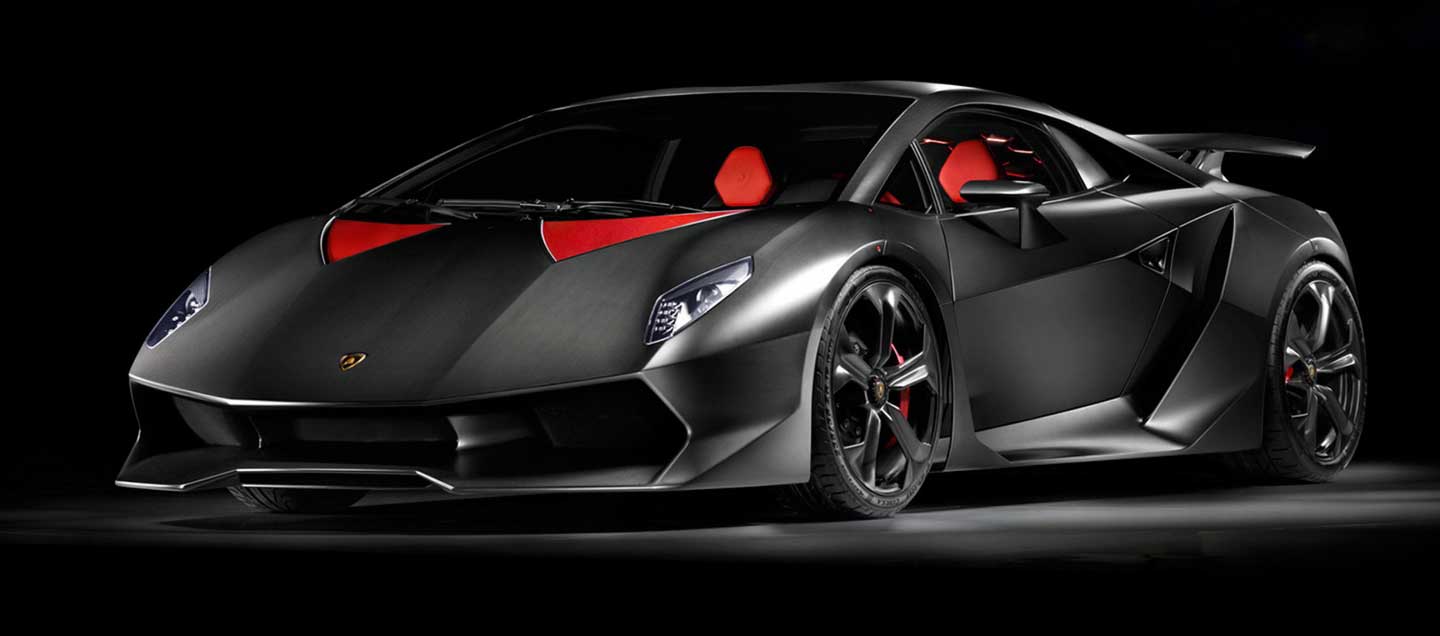
This was not a car designed to be loved by accountants, legislators, or anyone who believes cupholders are an essential feature. This was a car built by people who woke up one morning and thought, What if weight was the enemy… and we declared total war?
“Sesto Elemento” means sixth element. Carbon. The building block of life, and apparently also the building block of Lamborghini’s collective madness circa 2010–2012.

At the time, Lamborghini had a problem. Not a financial one—those come later—but a philosophical one. Supercars were getting faster, yes, but also heavier. Bigger. Softer. Filled with screens, insulation, and increasingly apologetic driver aids. Ferrari was polishing. Porsche was refining. Even Lamborghini itself was becoming… sensible.
And this would not do.
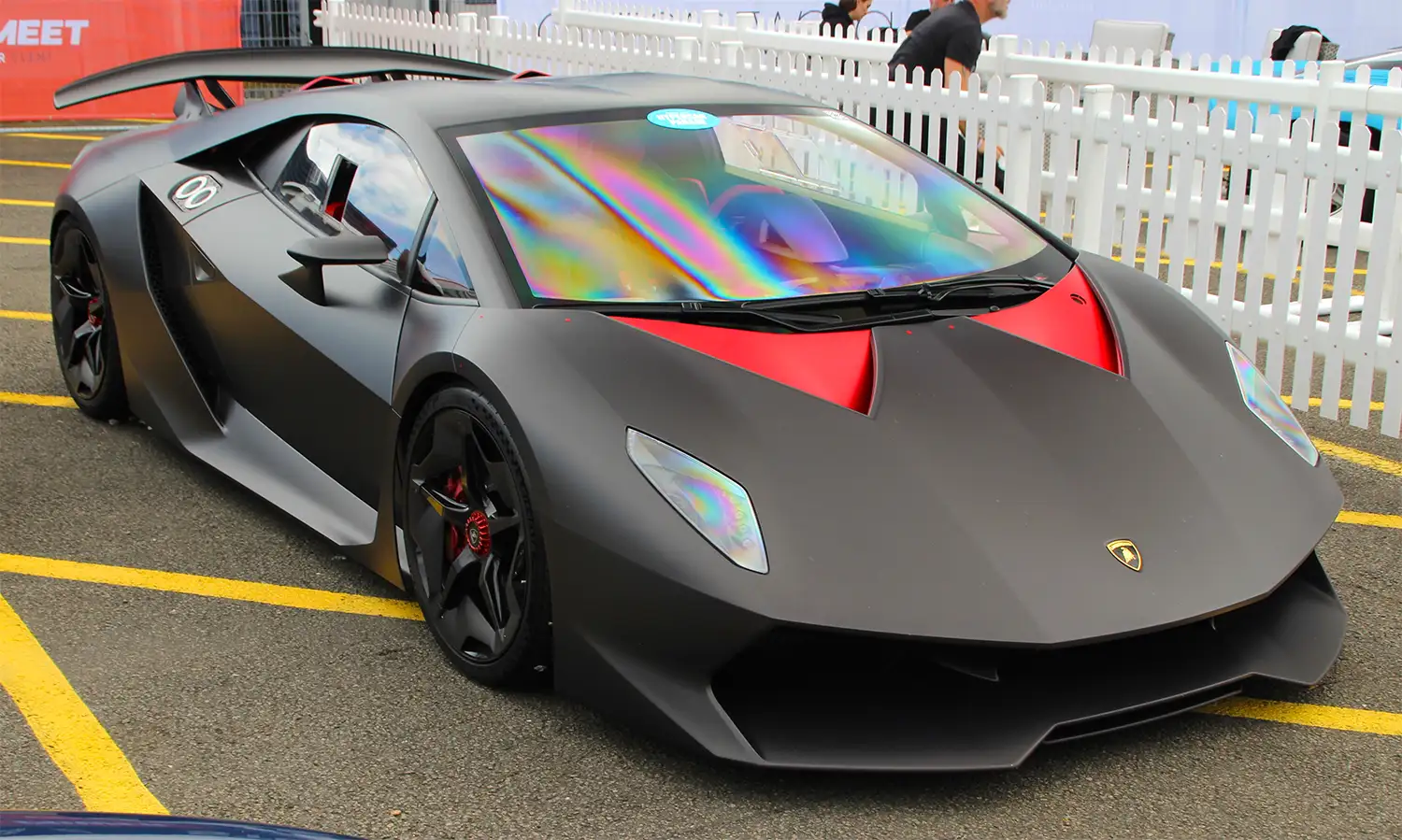
So someone—almost certainly wearing an expensive suit and making terrifying eye contact—decided the solution was not more power, but less everything. Less weight. Less comfort. Less sanity.
The result was a car that weighs about as much as a large garden shed.
Carbon fibre wasn’t just used here. It was worshipped.
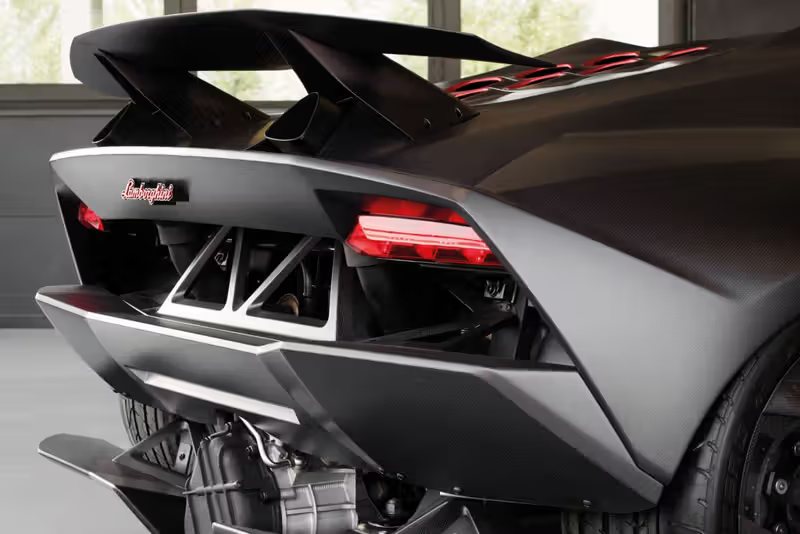
The chassis, the body panels, the seats, the transmission tunnel—everything that could be carbon fibre was carbon fibre. Even parts that normally wouldn’t be, like structural crash components, were done using experimental composite techniques.
And here’s the important part: they didn’t even bother painting most of it.
Because paint adds weight.
So instead, the car looks like it’s been carved from some alien mineral, with matte black composite surfaces, raw textures, and sharp edges that scream prototype, not production. It doesn’t look finished because it doesn’t care about being finished. It cares about being fast.
Inside, there are no conventional seats. You don’t sit on the Sesto Elemento. You sit in it, like a human insert, slotted directly into the carbon shell. Padding? Minimal. Upholstery? Don’t be ridiculous. This is not a Bentley. This is a carbon coffin with aspirations.
Now here’s where things get deliciously contradictory.
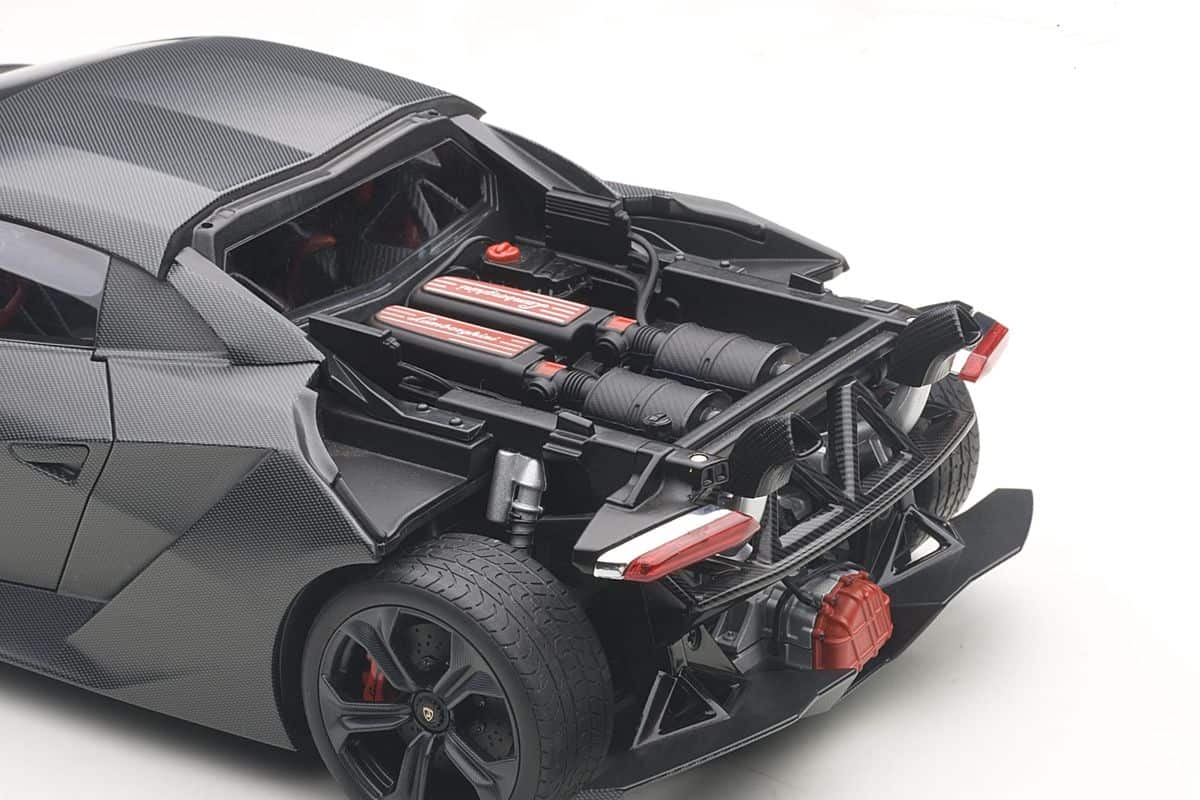
Instead of some new, complicated hybrid wizardry, Lamborghini reached into its parts bin and pulled out one of the last truly unhinged naturally aspirated V10s it would ever make—the same basic unit found in the Gallardo Superleggera.
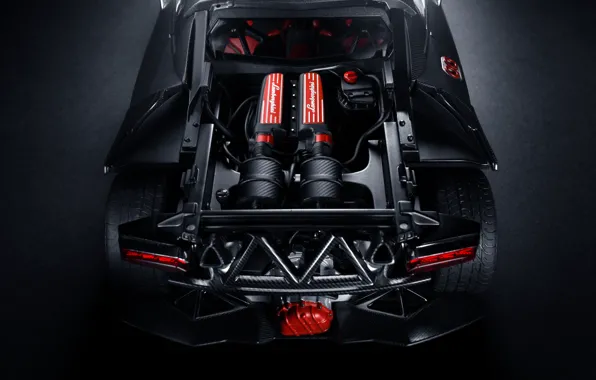
But here, freed from weight, restraint, and common decency, it becomes something else entirely.

With around 570 horsepower pushing roughly 999 kilograms, the power-to-weight ratio is biblical. Numbers like that don’t just move a car forward; they bend reality. Acceleration isn’t so much measured as experienced, like sudden weather.
There’s no turbo lag because there are no turbos. There’s just throttle, air, fire, and noise. Glorious, operatic, Italian noise that starts behind your spine and rearranges your organs alphabetically.
This engine doesn’t ask permission. It doesn’t negotiate. It shouts.
Driving the Sesto Elemento is not relaxing. It’s not even enjoyable in the conventional sense. It’s intense.
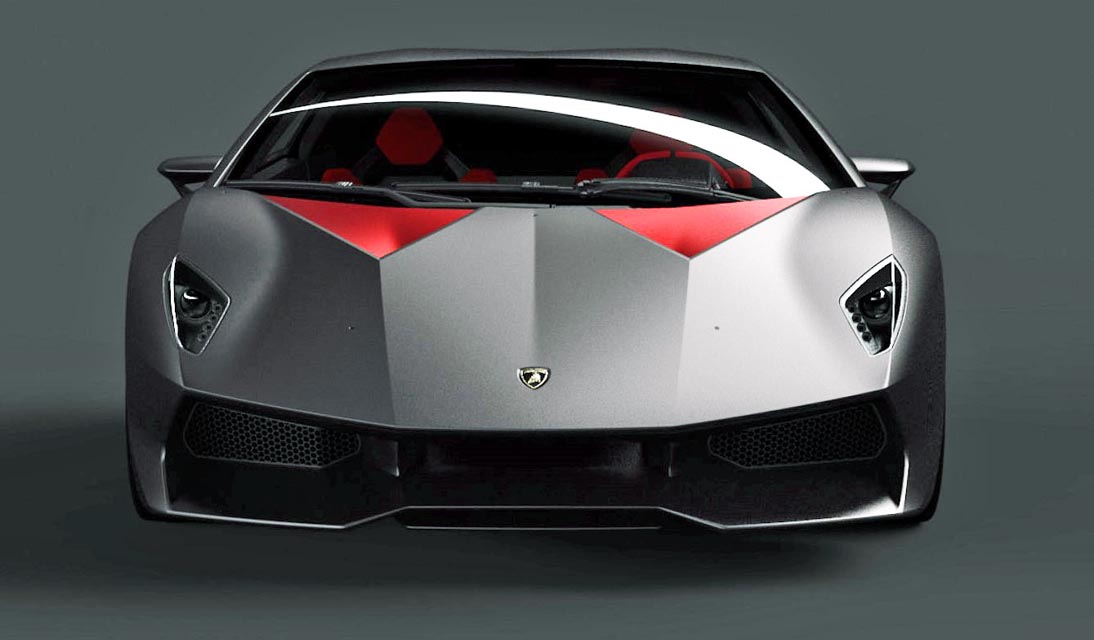
The steering is brutally direct. The suspension is so stiff it feels like the car is actively offended by the concept of comfort. Every pebble, ripple, and regret in the road is transmitted directly to your skeleton.
And yet—somehow—it works.
Because the lack of mass changes everything. Braking distances collapse. Direction changes feel telepathic. The car doesn’t so much turn as snap into corners, like a thought you had half a second ago.

There is no sound insulation. No attempt to soften the mechanical drama. You hear the gearbox clunk. You hear stones hitting the wheel arches. You hear the intake sucking air like it’s trying to empty the atmosphere.
And you love it.
Because this is what a car feels like when nothing is diluted.
Now, here’s the bit that really makes the Sesto Elemento special.
You couldn’t actually drive it on the road.

No homologation. No license plates. No pretending. This wasn’t a “track-focused road car.” It was a track car. Full stop.
And Lamborghini didn’t apologise for that. In fact, they seemed quite proud of it.
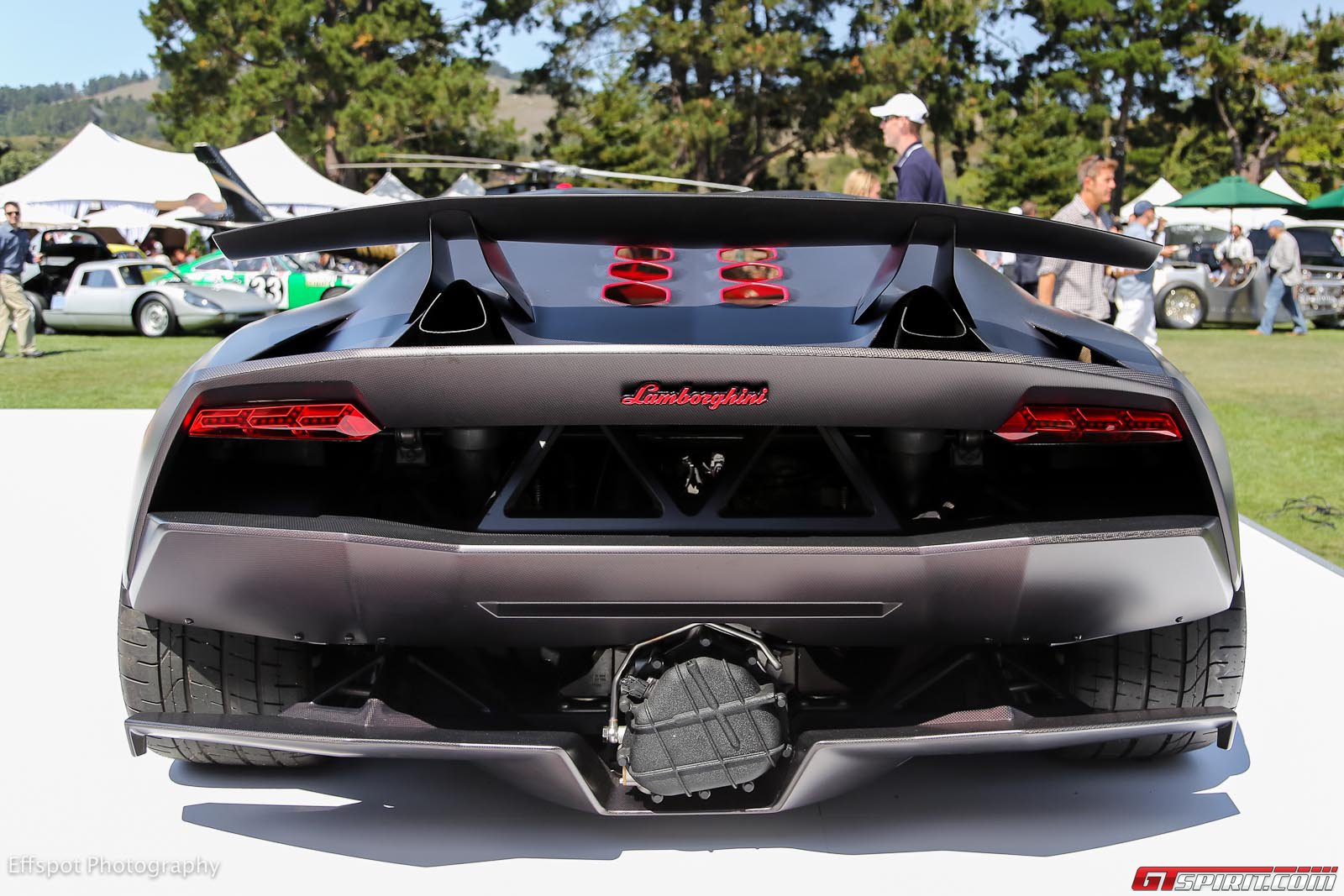
Only around 20 were ever made. All sold immediately. All went to collectors who understood that this wasn’t about resale value or practicality. It was about owning a physical manifestation of Lamborghini’s most extreme thoughts.
You didn’t buy this to commute. You bought it to possess.
This car didn’t come from nowhere.
It was the result of engineers who had spent years studying materials science, motorsport composites, and aerospace techniques. People who looked at Formula 1 and Le Mans prototypes and said, Why can’t a Lamborghini feel like that?
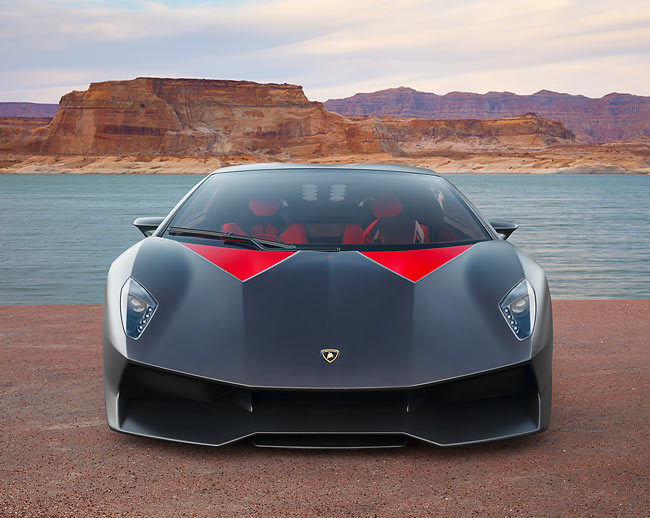
The design language echoes Lamborghini’s long obsession with fighter jets, stealth aircraft, and brutal geometry. Sharp edges. Exposed structure. Function-first aggression.
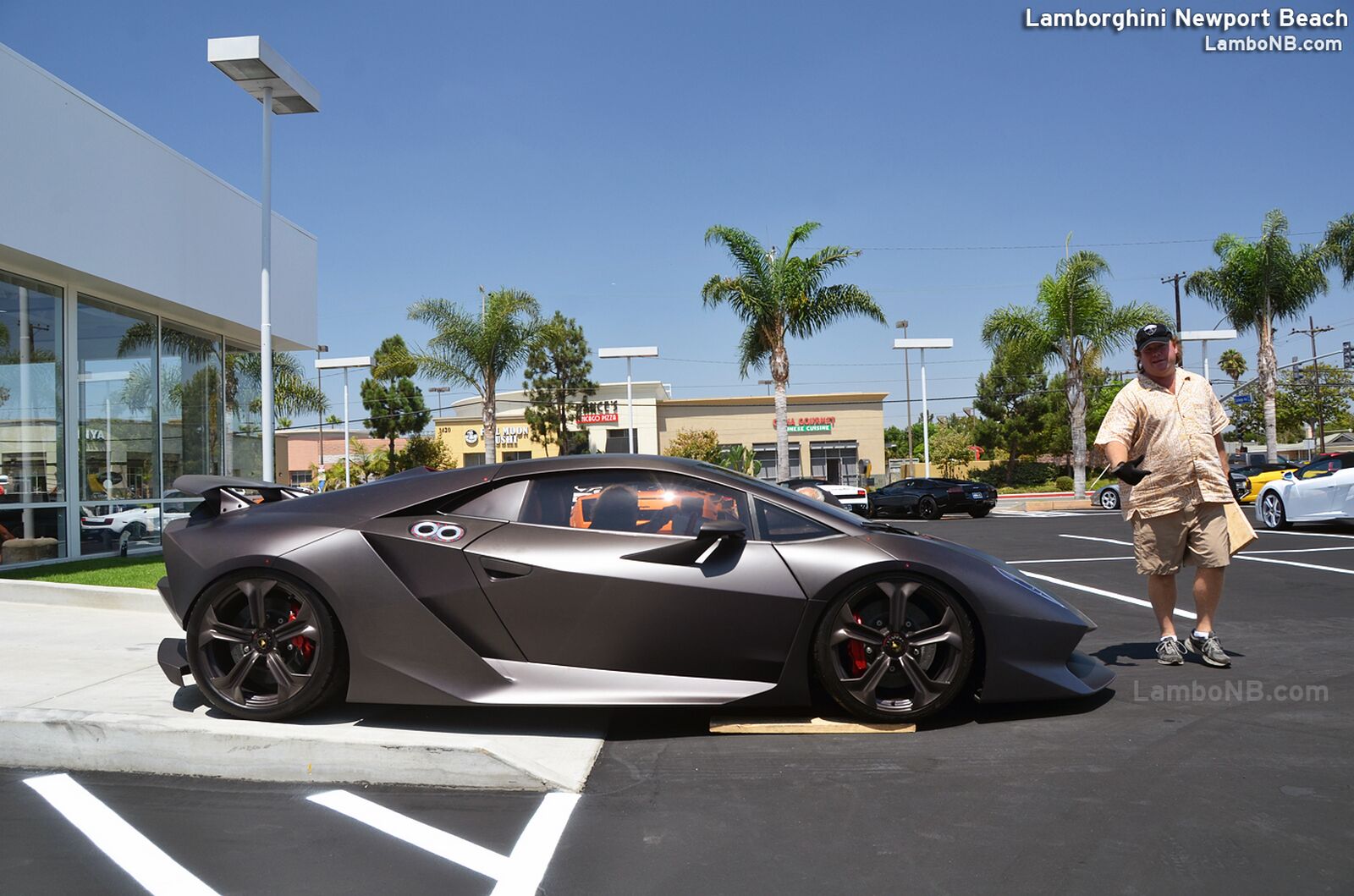
This wasn’t styled to be pretty. It was styled to be honest.
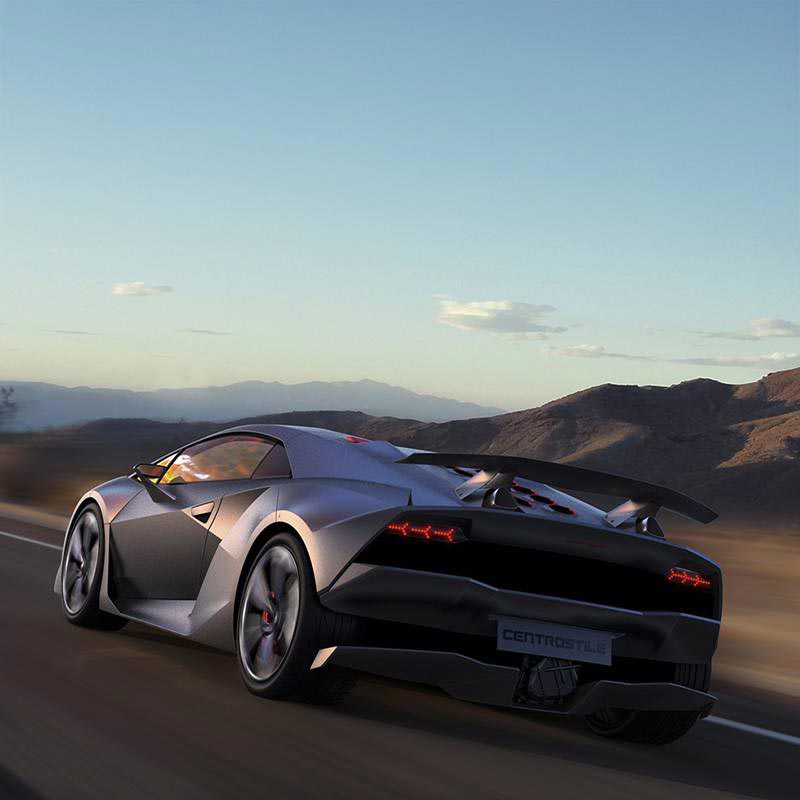
And honesty, in Lamborghini terms, means loud, fast, and slightly terrifying.
Here’s the thing: most people will never see a Sesto Elemento in motion.
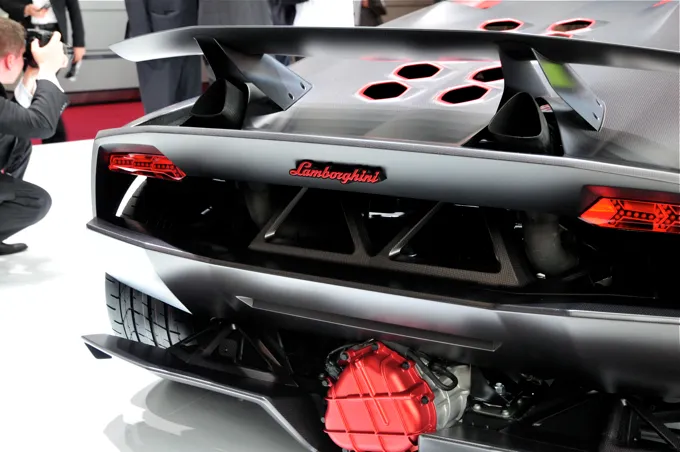
It exists more as a rumour. A YouTube clip. A museum piece behind velvet ropes. A whispered legend among car nerds.
And that’s fine.
Because its impact isn’t measured in lap times or sales figures. It’s measured in influence.

This car told the world that Lamborghini was still capable of going completely off the rails. That in an era of safety regulations and polite performance, they were willing to build something totally impractical, borderline unusable, and utterly glorious.
It reminded everyone that supercars don’t have to justify themselves.
Today, the Sesto Elemento is essentially untouchable.
Not because it’s fragile—though it probably is—but because it represents a moment that cannot be repeated. A moment before electrification. Before corporate caution fully set in. Before every performance car had to explain itself with emissions graphs.
This is a snapshot of unfiltered intent.

Collectors don’t buy it to drive it. They buy it to preserve it. Like a dangerous animal, frozen mid-lunge.
So what is the Lamborghini Sesto Elemento, really?
It’s not a car for everyone. It’s not even a car for most Lamborghini buyers.
It is a statement. A scream. A reminder that sometimes, the correct response to complexity is to strip everything away and go faster.
It doesn’t care about your spine. It doesn’t care about your comfort. It barely cares about your survival.
And that’s precisely why it matters.
Because in a world that increasingly asks cars to be sensible, responsible, and quiet, the Sesto Elemento stands there, carbon-black and unapologetic, and says:
No.

-
Marcello Gandini, Italian car designer


