A quiet, lightweight sports car that defined balance, honesty, and driver connection, shaping Porsche’s philosophy and influencing generations of sports cars long before speed and spectacle took over.
Right.
Let’s talk about the Porsche 356, which is one of those cars that makes modern performance figures look faintly embarrassing—not because it beats them, but because it doesn’t even bother to compete.
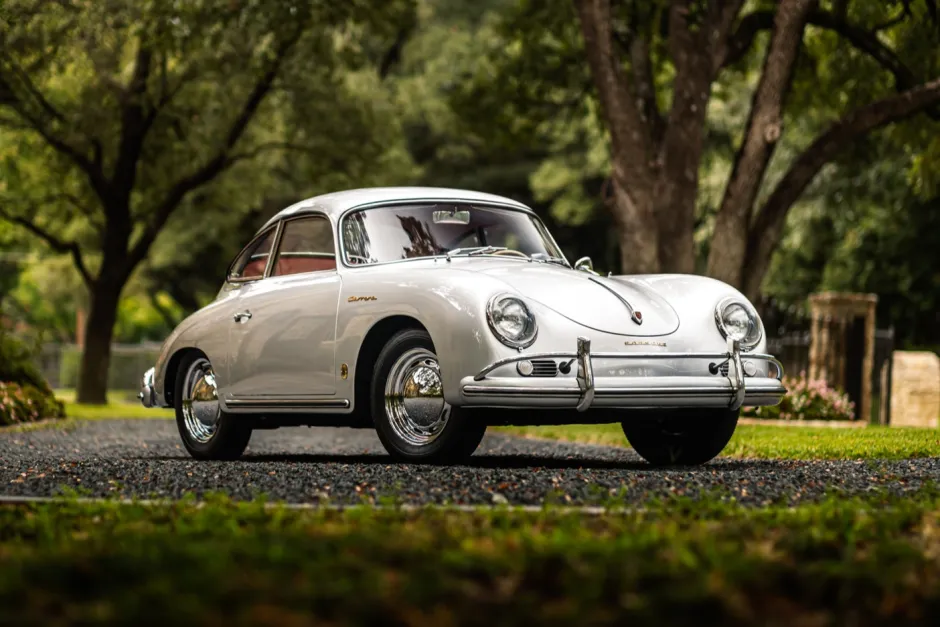
This is not a car that shouts.
It doesn’t need to.
It already won.
Every car company has an origin story. Most of them are loud, heroic, and slightly exaggerated. Porsche’s is inconveniently calm.
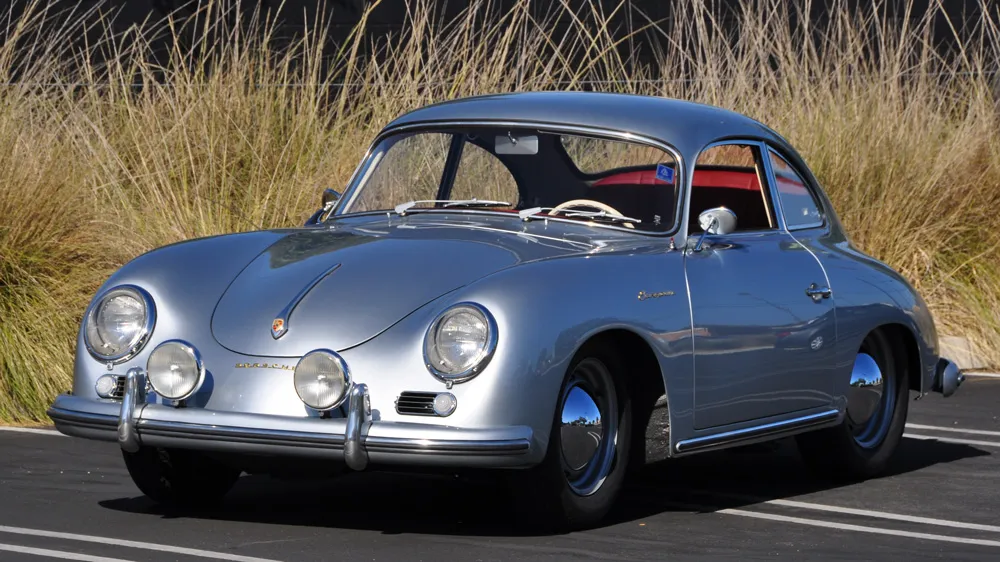
After the war, when Germany was flat, broke, and emotionally exhausted, Ferry Porsche did not decide to build something dramatic. There was no grand vision involving domination, excess, or lap records. Instead, he asked a deeply unglamorous question:
“What if a car was simply… right?”

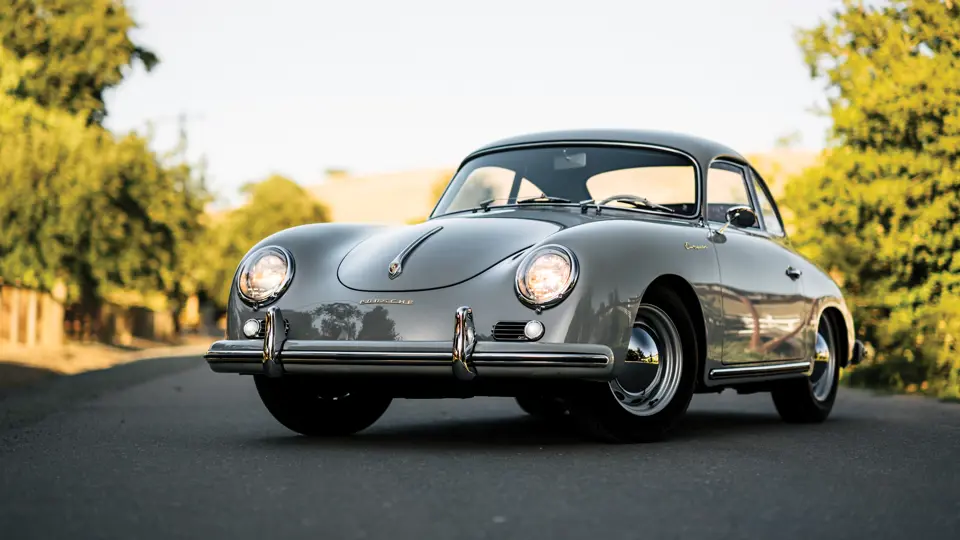
And so, in 1948, the Porsche 356 arrived. Not with fireworks. With balance.
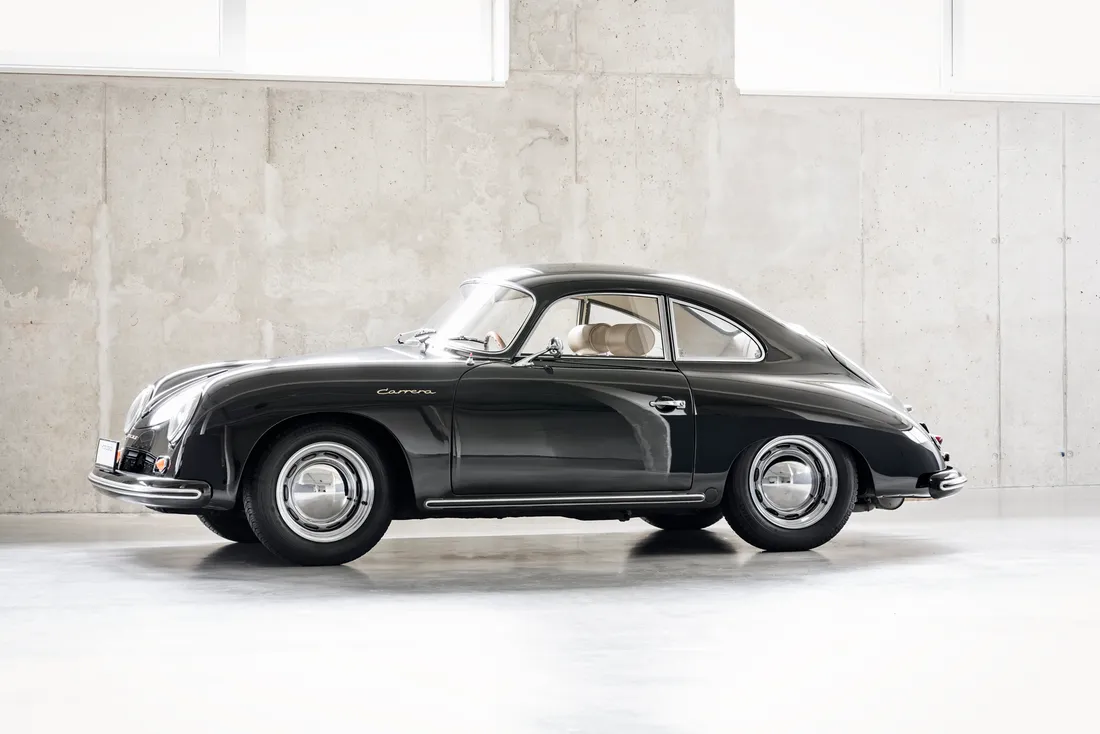
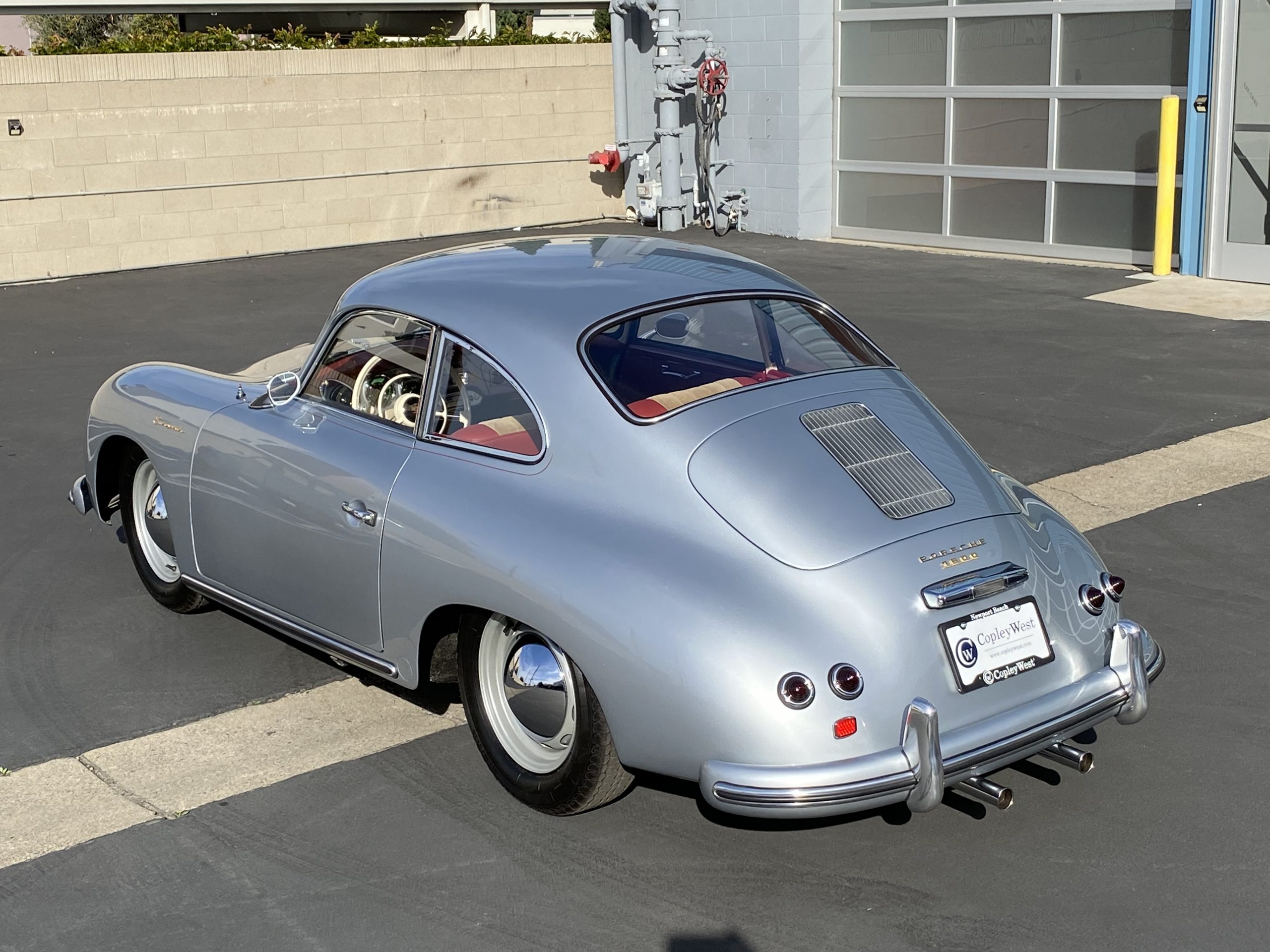
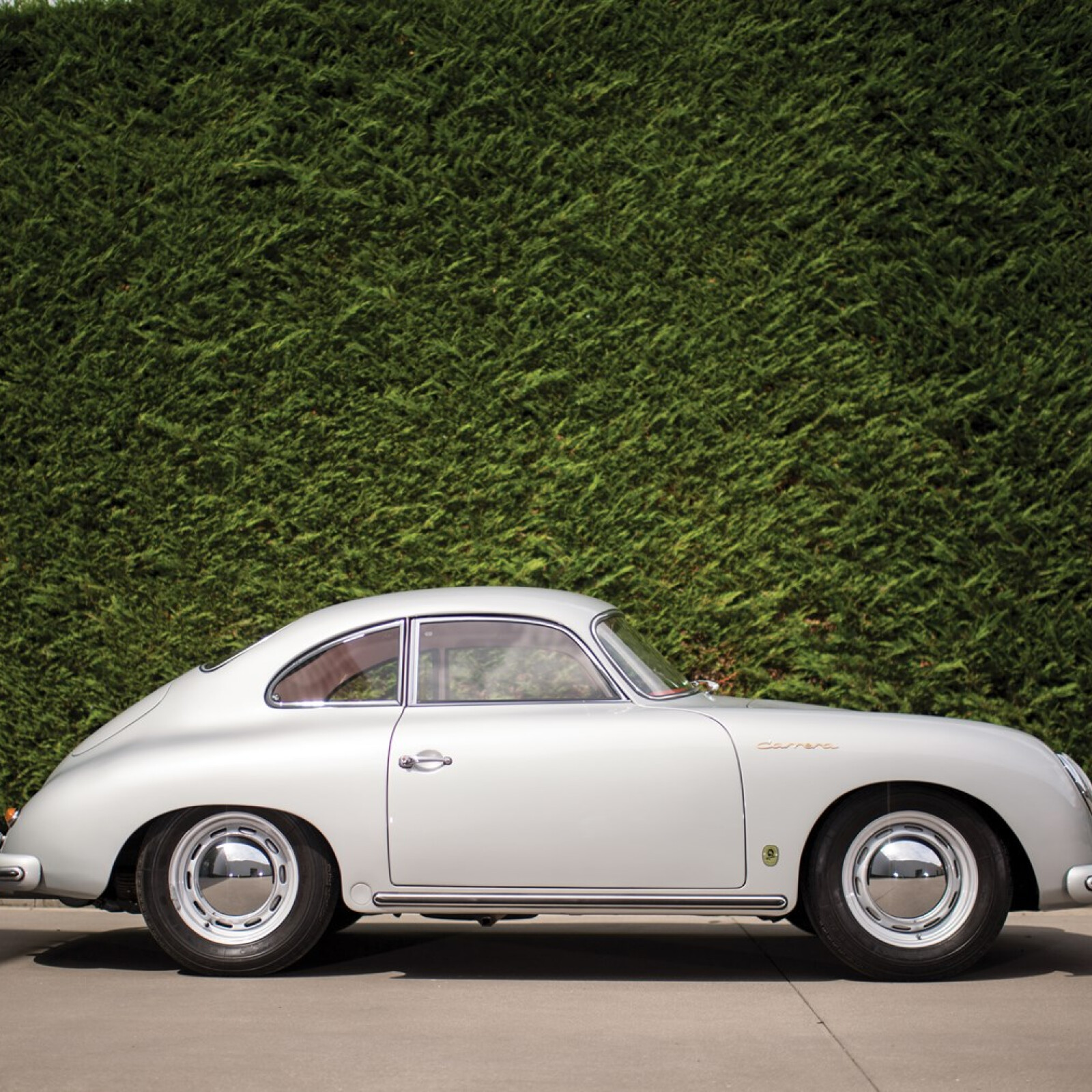
It was small. It was light. It was aerodynamic in the way birds are aerodynamic—by accident, through necessity. And crucially, it worked.
That alone made it revolutionary.
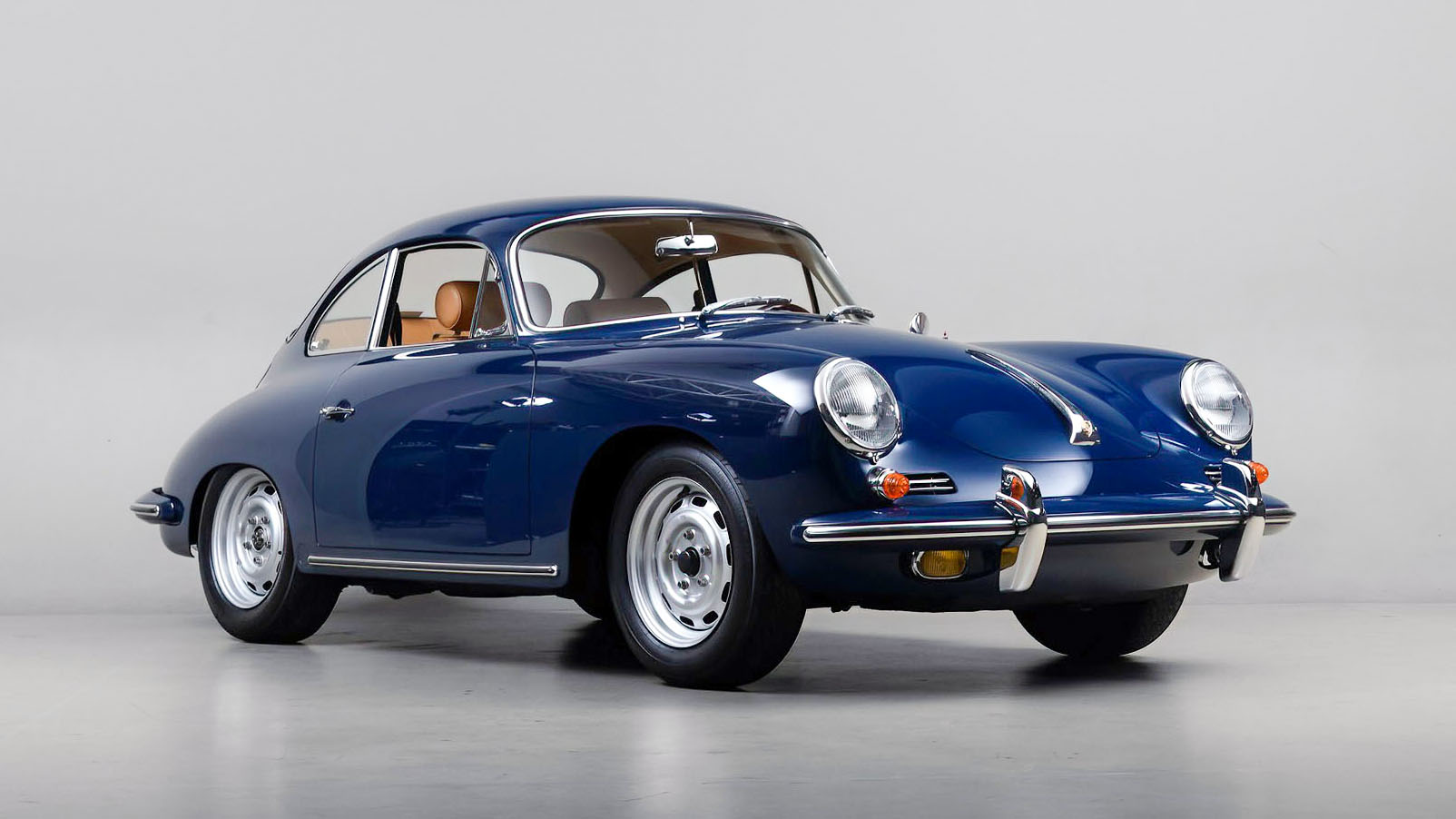
The 356 is often described as “beautiful,” which is true—but misleading. Because it wasn’t styled in the modern sense. No one sat around debating brand identity or emotional surfaces.
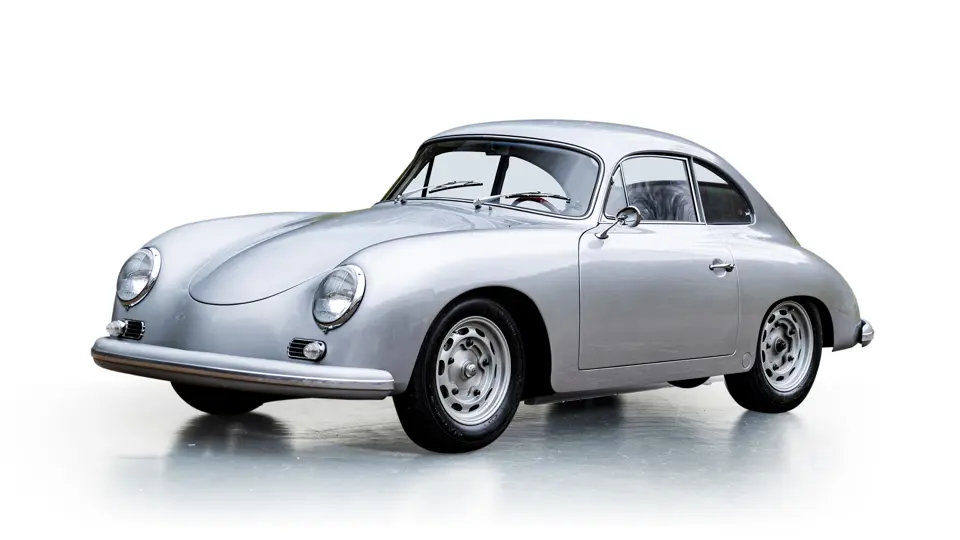
The shape happened because:
This is why the 356 looks the way it does. Not because someone wanted it to look iconic, but because physics quietly bullied it into submission.
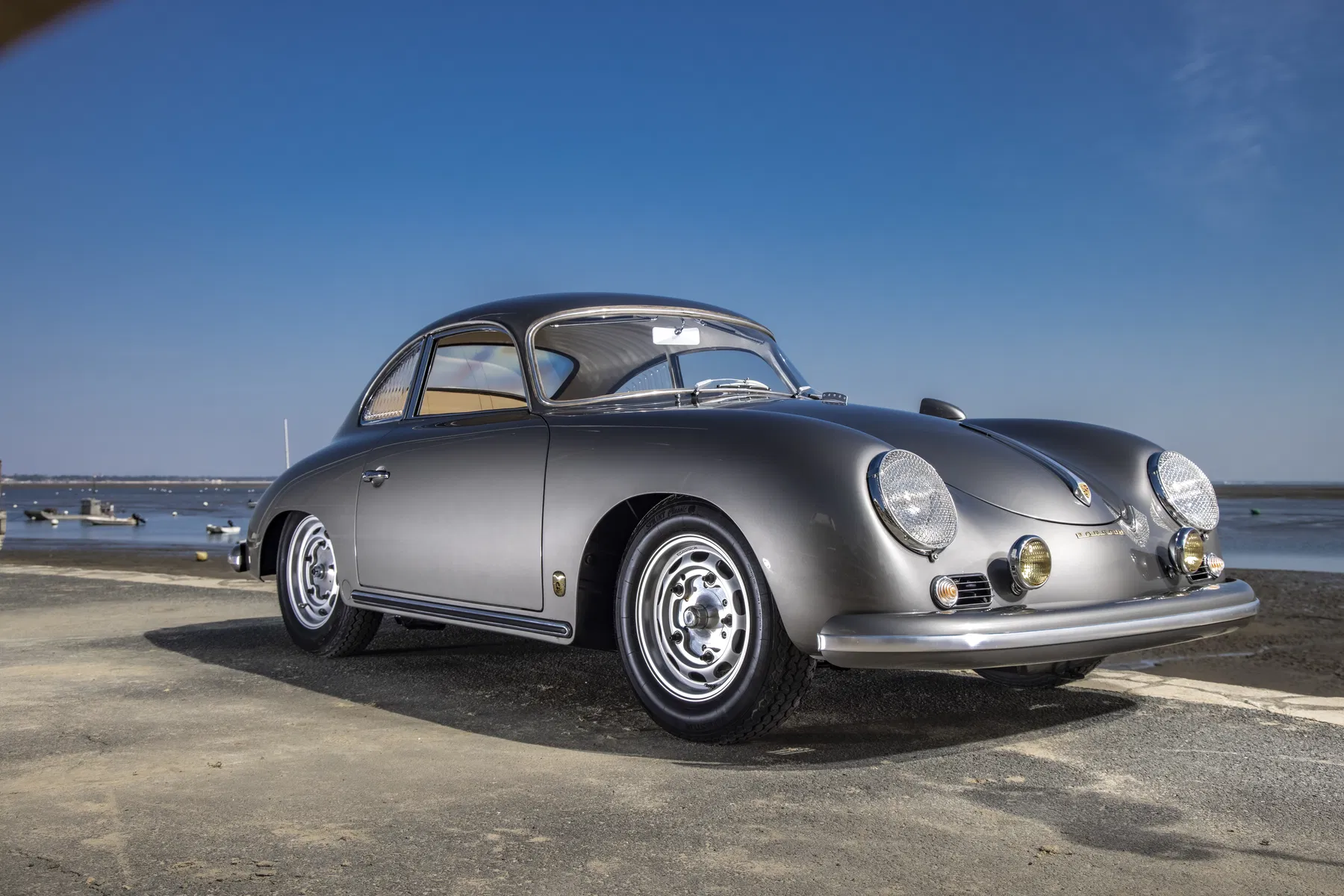
The roofline flows because turbulence is rude.
The wings bulge because wheels exist.
The tail slopes because drag is irritating.
That’s it. No drama. No attitude. No “design language.”
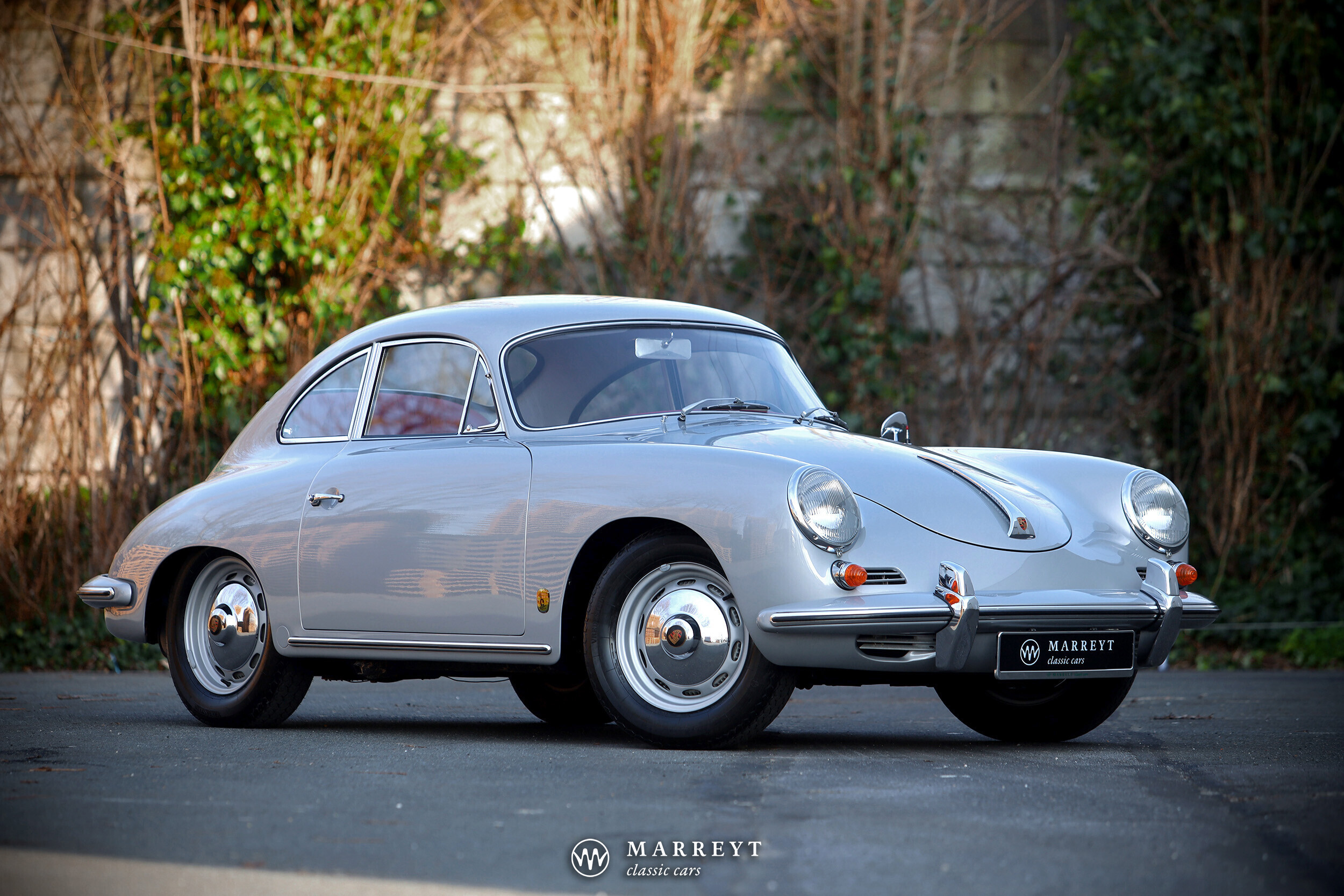
And that’s why, decades later, it still looks correct—while cars that were aggressively styled in their own era now look like period furniture.
You cannot redesign this shape today. You can only reference it and hope no one notices.
Mechanically, the early 356 was almost cheeky.
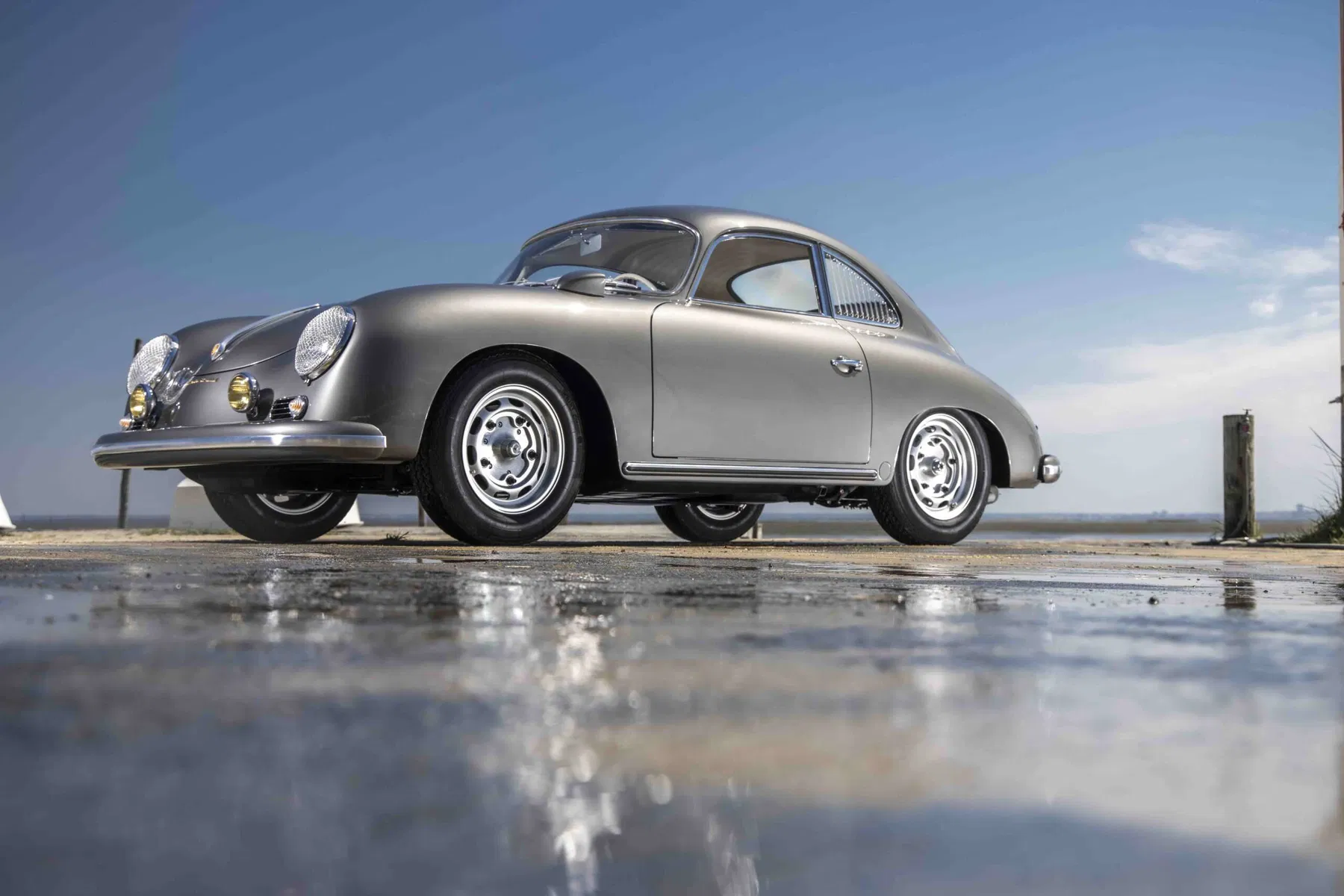
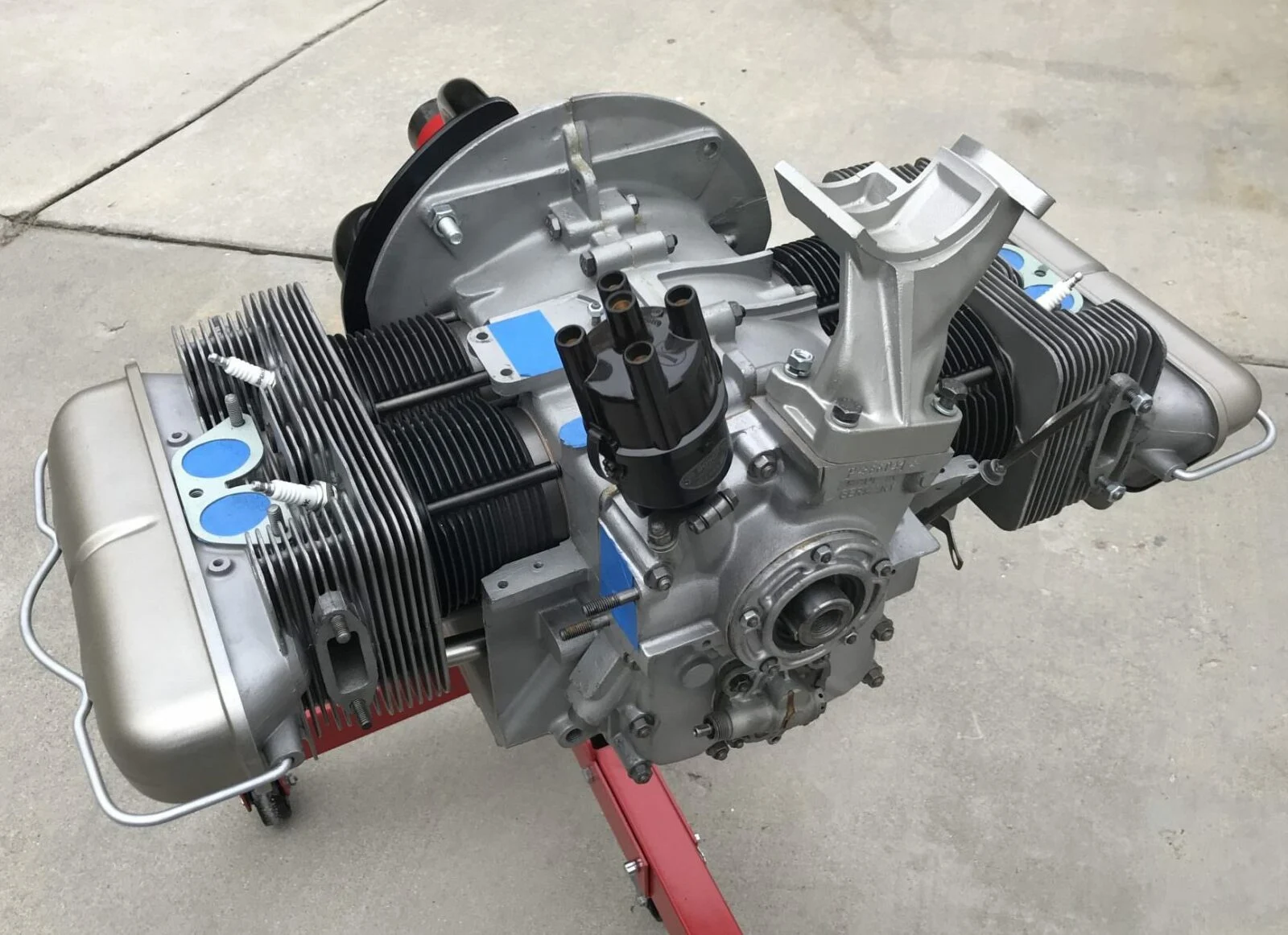
Rear-mounted engine.
Air-cooled.
Derived from Volkswagen components.
On paper, this sounds like a compromise. In reality, it was a masterclass in priorities.
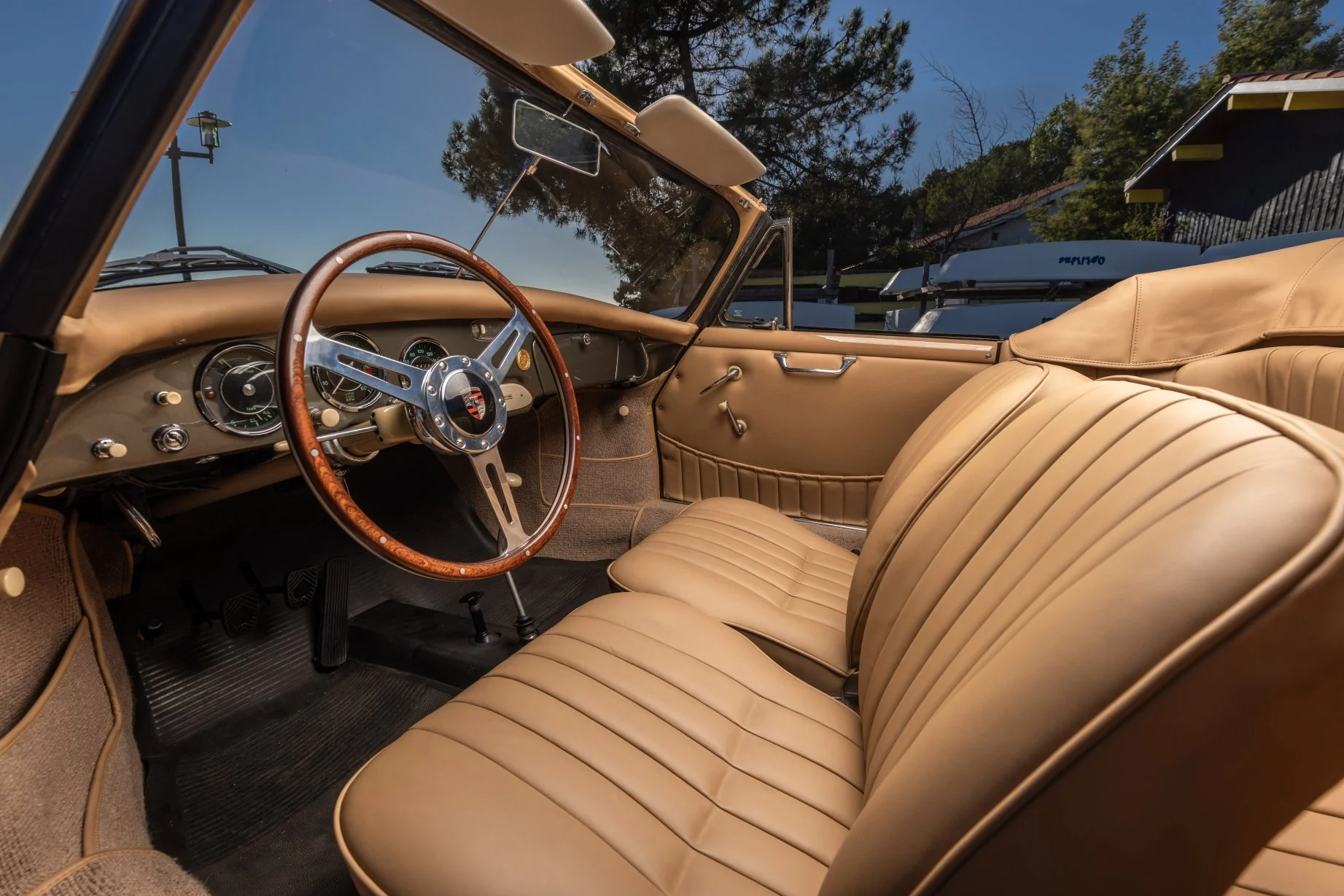
By keeping things simple and light, Porsche created a car that didn’t overwhelm its own chassis. It didn’t fight itself. Everything worked together.
Power outputs were modest, yes—but when you weigh very little, modest becomes sufficient. And sufficient becomes delightful.
The result was a car that felt alive at speeds that wouldn’t get you arrested, divorced, or featured in a courtroom sketch.
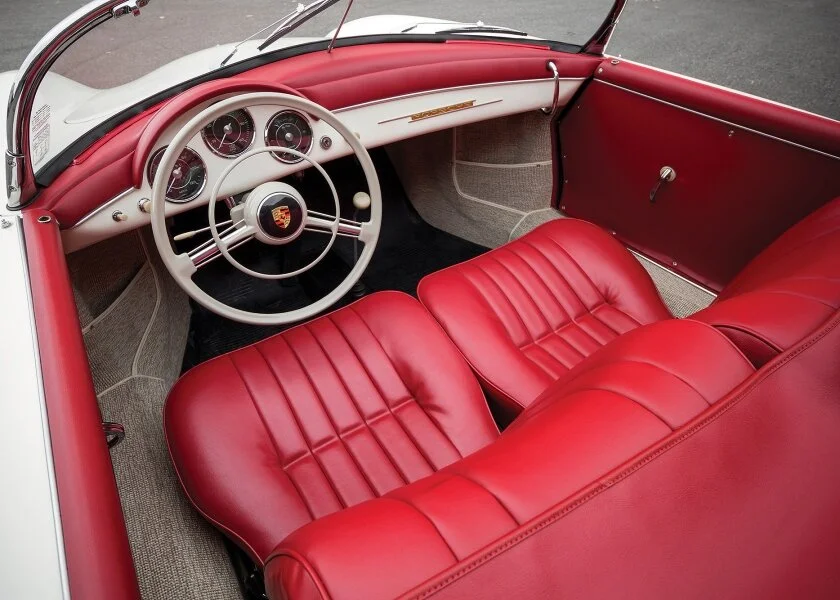
This matters more than people admit.
Let’s be absolutely honest.

If you drive a Porsche 356 expecting modern speed, you will be disappointed. Possibly offended.
But if you drive it expecting clarity, something strange happens.
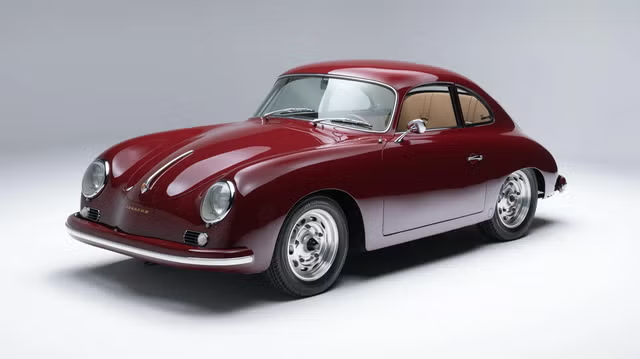
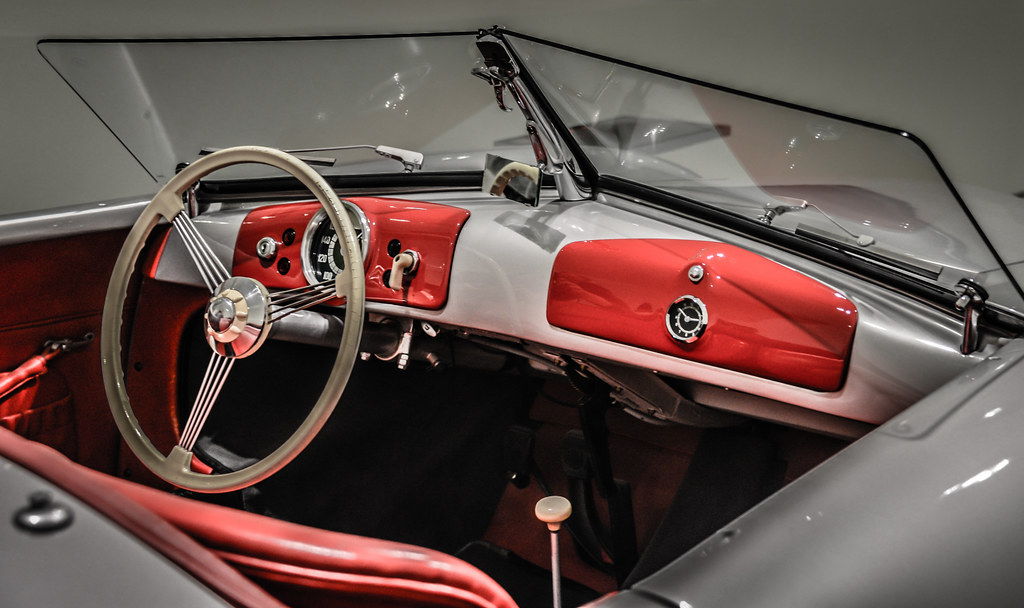
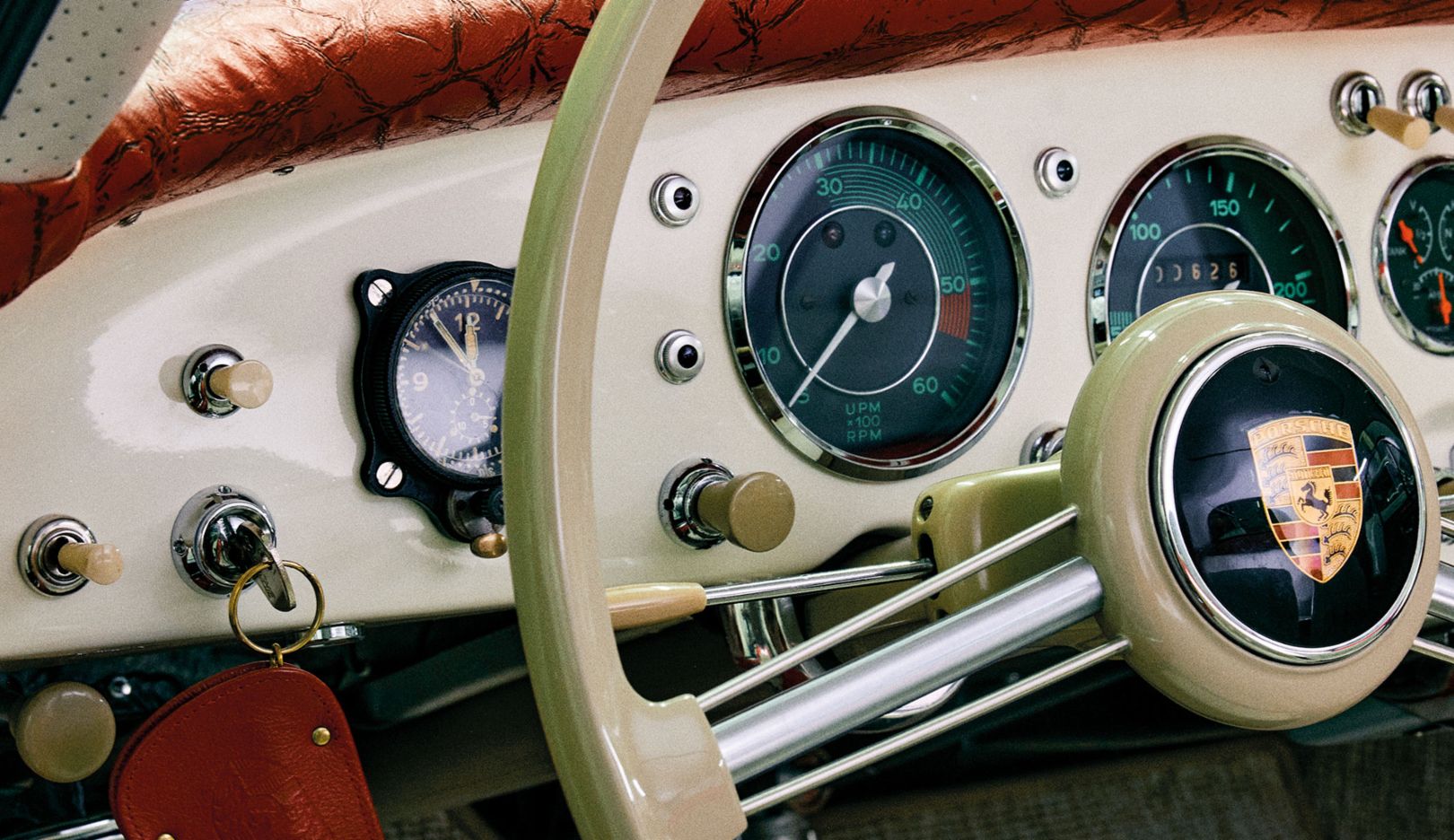
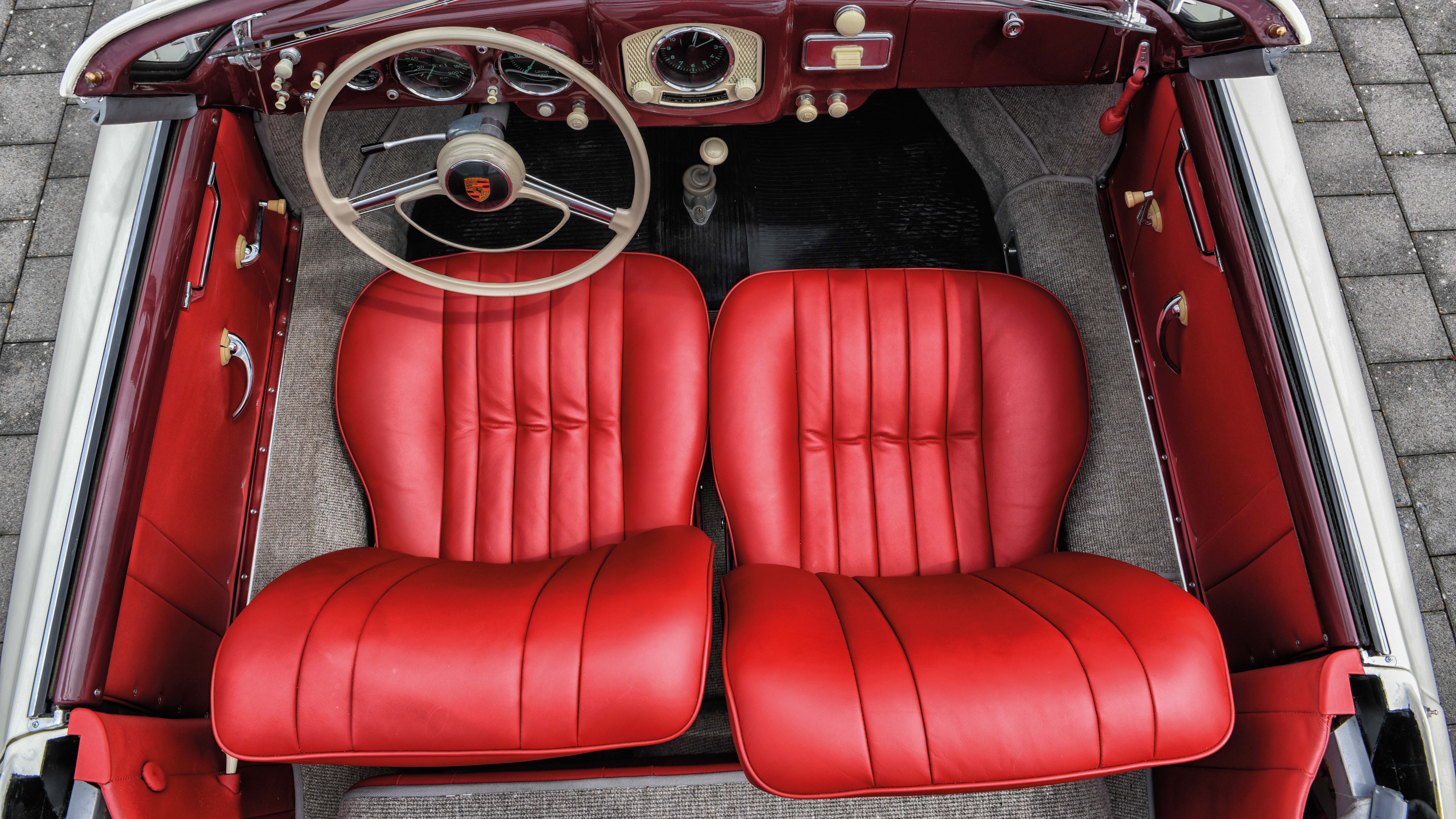
The steering doesn’t just tell you what the front wheels are doing—it tells you what they’re thinking. The chassis communicates like an old friend who doesn’t waste words. And the engine, humming away behind you, feels less like a power unit and more like a heartbeat.
You are not attacking the road.
You are dancing with it.
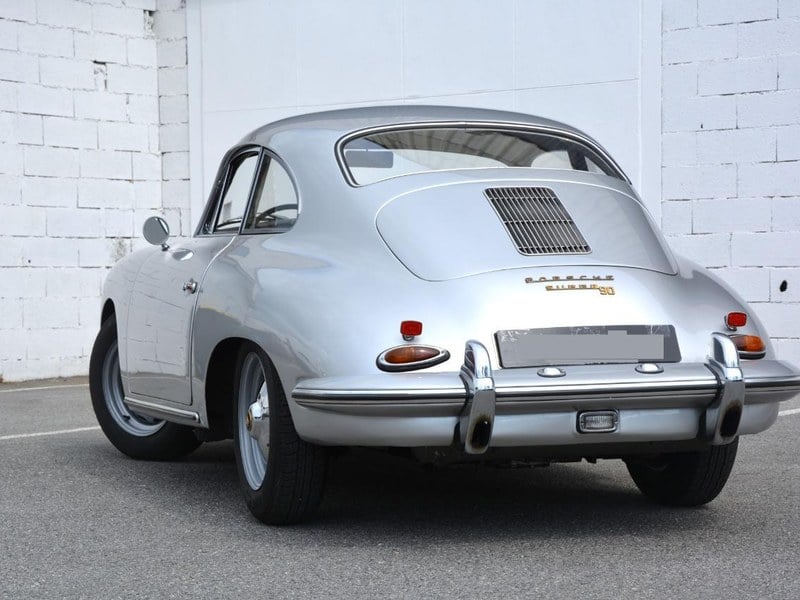
And this is the crucial thing modern cars often forget: driving is not about domination. It’s about connection.
The 356 teaches this lesson quietly, repeatedly, and without mercy.
Here’s the delicious twist.
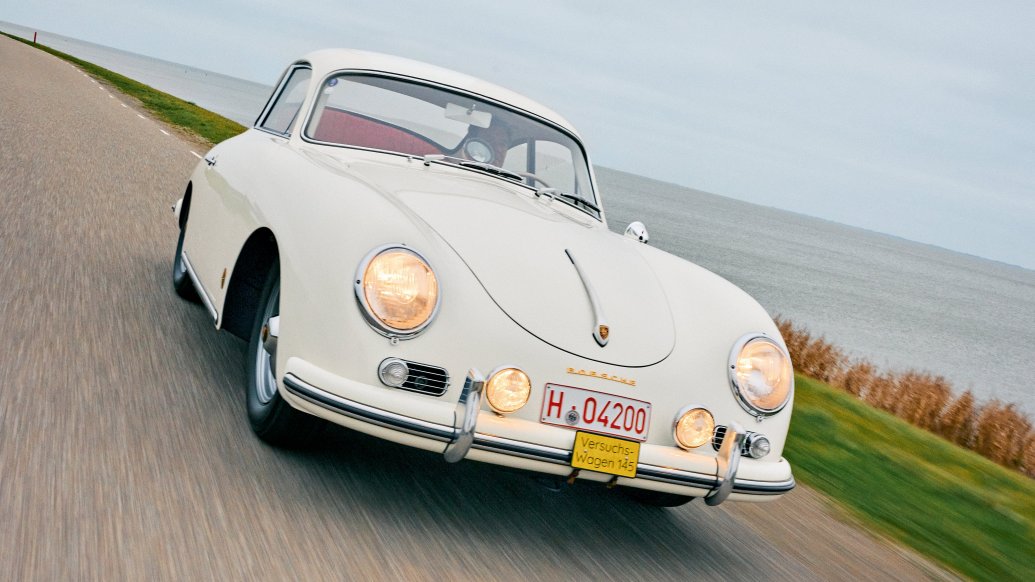
Despite its polite appearance, the 356 went racing. And not in a flashy, headline-grabbing way either. It simply showed up… and finished.
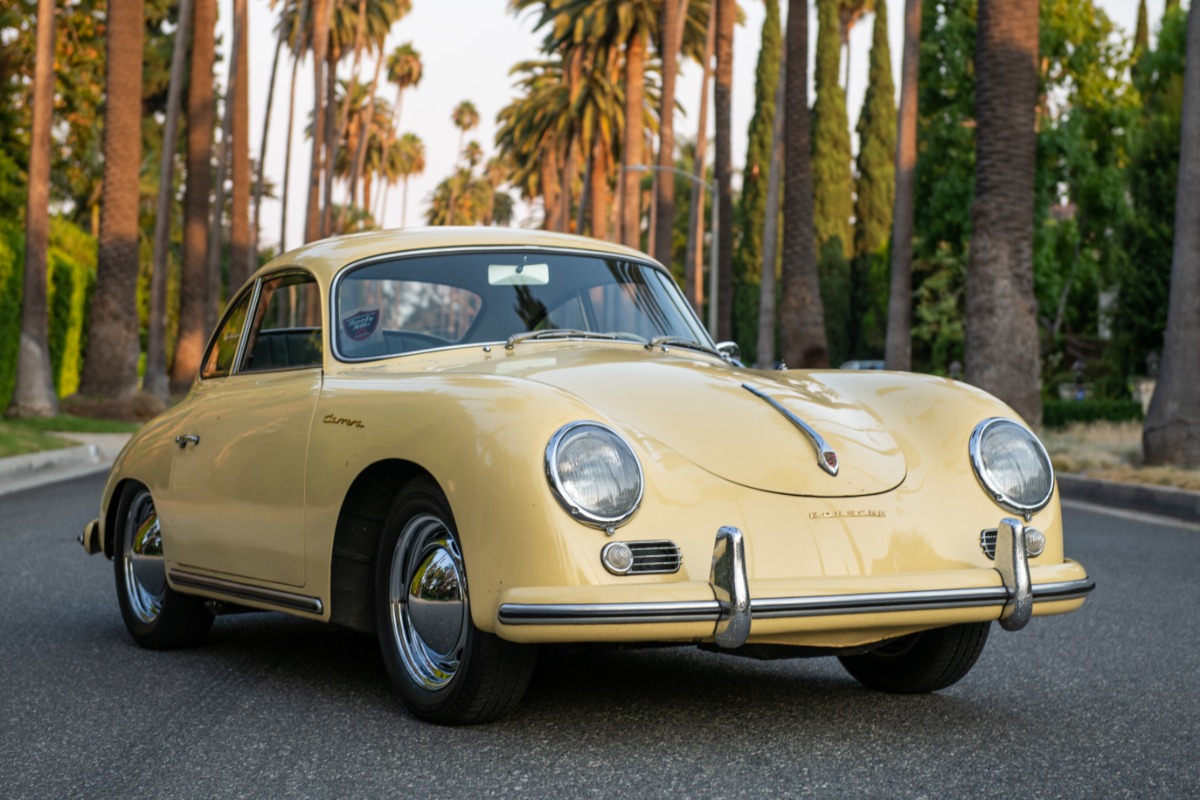
Over and over again.
While bigger, louder cars boiled their fluids, broke their components, or threw mechanical tantrums, the 356 just kept going. Hill climbs, endurance races, club events—it was there, being dependable.
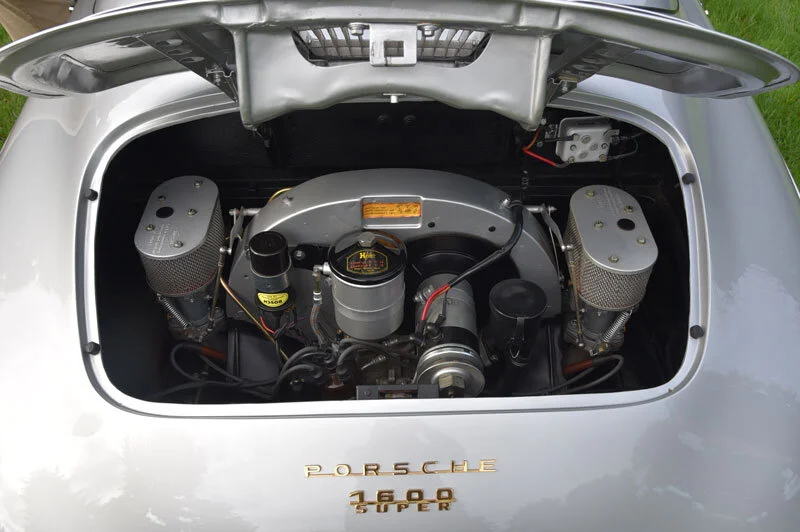
This built Porsche’s reputation in the most effective way possible: by not embarrassing its owners.
People finished races.
Then drove home.
Then did it again.
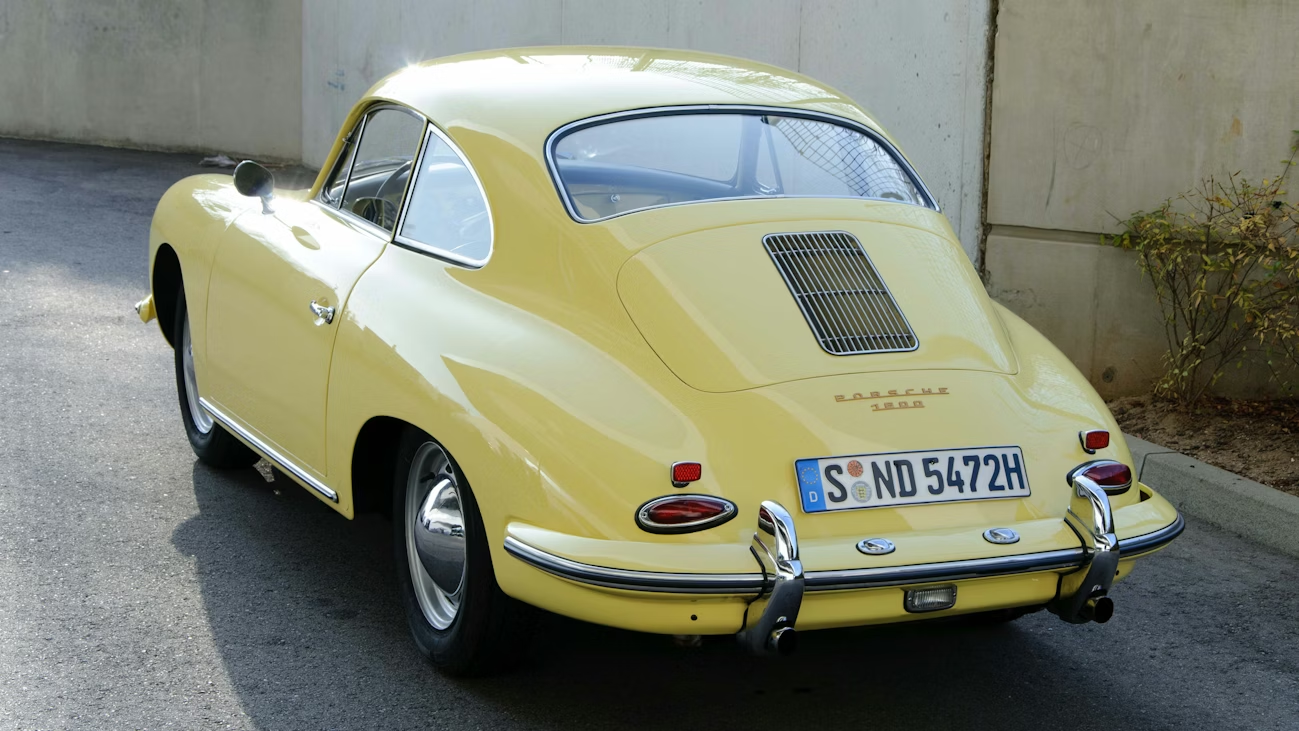
This is how trust is built. Not with marketing slogans, but with reliability under stress.
The Porsche 356 didn’t become a toy for attention-seeking celebrities. Instead, it attracted thinkers.
Artists.
Architects.
Engineers.
Writers.
People who appreciated restraint, proportion, and intent.
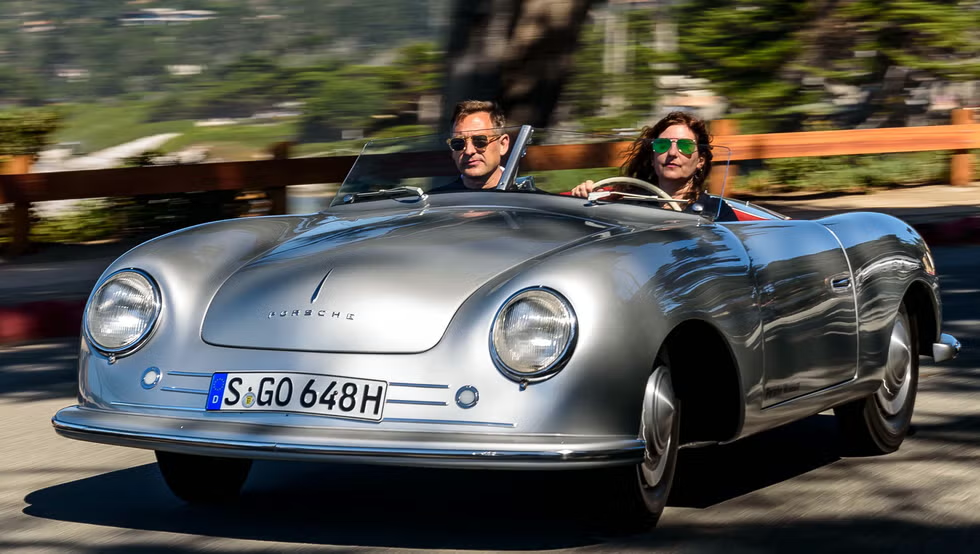
James Dean is often mentioned, but what’s interesting is why it suited him. Not because it was fast, but because it was honest. He was fascinated by machines that rewarded skill rather than ego, and the 356 is precisely that kind of machine.
This car didn’t make you look important.
It made you feel involved.

And that appealed to people who already had enough noise in their lives.
Without the 356, there is no 911.
Not the layout.
Not the philosophy.
Not the obsession with balance.
The rear-engine idea, the compact dimensions, the insistence that a sports car must feel alive rather than merely fast—all of that started here.
Every Porsche since has been, in some way, a conversation with this car.

Sometimes they argue with it.
Sometimes they try to escape it.
But they never ignore it.
.webp)
That’s not legacy. That’s gravity.
Now we come to the part where everyone sighs.
Yes, Porsche 356 values are high. Sometimes shockingly so.
But here’s why the market behaves the way it does:
Collectors aren’t buying speed. They’re buying origin.

They’re buying the moment when sports cars stopped being noisy toys and started being thoughtful machines.

Early cars, rare variants, and historically significant examples now trade for sums that would buy you something with carbon fiber cupholders and a warranty. But the 356 offers something those cars never will: permanence.
This isn’t fashion.
It’s architecture.
In an era where cars have become rolling software updates, the Porsche 356 sits quietly, reminding us that progress does not always mean complexity.
It proves that:
And that the best machines don’t overwhelm you—they invite you.
You don’t drive a 356 to impress anyone.
You drive it to remember why driving mattered in the first place.
The Porsche 356 is not fast.
It is not loud.
It is not intimidating.

And yet, it might be the most important sports car ever made.
Because it didn’t try to win.
It simply got everything right.
And once that happens, history does the rest.
-
Ferry Porsche
Austrian-German engineer, founder of Porsche and creator of the marque’s first sports car philosophy


